
Packman World Cup 2G Disposable: What Users Notice First
Scope note: This article is written as a hardware-only, page-experience editorial. It focuses on shell design, screen UX, selector readability, packaging cues, and version clarity. It does not provide instructions for filling, formulation, or use of regulated consumables.
When users land on a themed disposable product page, they rarely begin with the technical details. They begin with recognition. In the first few seconds, they are asking a simpler question: Do I understand what this is? A World Cup-themed Packman page works or fails on that first impression. Before anyone studies capacity, compares screens, or thinks about hardware generations, they react to the overall signal: the name, the visual identity, the mood, and the way the product presents itself as something familiar but still distinct.
That is why event-driven branding matters. “World Cup” is not just a label attached to a shell. It is a framing device. It suggests energy, competition, collectability, and visual drama. For users, that means the page starts with a bigger emotional cue than a standard device listing. The product may be compact, but the story feels larger. On a content-heavy site, that kind of immediate recognition can help a page stand out from a crowded catalog and also connect naturally to the wider Lueciga blog archive, where themed hardware, comparisons, and format explainers help readers place one device in a broader context.
1. The Name Is the First Filter
Users notice the name before they notice almost anything else. A strong name does two jobs at once: it identifies the product family and it tells the reader what kind of page experience to expect. “Packman World Cup 2G Disposable” is effective because it combines brand familiarity, event framing, and format clarity. Each word earns its place. “Packman” signals the family, “World Cup” signals the special-edition angle, “2G” sets expectation around form factor, and “Disposable” tells the user how the item fits within the catalog.
What users do not want is naming confusion. If the page title says one thing, the hero text says another, and the category path introduces a third variation, trust drops immediately. That is why consistent naming matters so much on themed hardware pages. Lueciga’s own internal guidance around a Packman version map is useful here: users respond better when the site clearly distinguishes family, generation, variant, and capacity. A themed product feels much easier to evaluate when the naming is structured instead of improvised.
2. The Shell Has to Look “Intentional” Fast
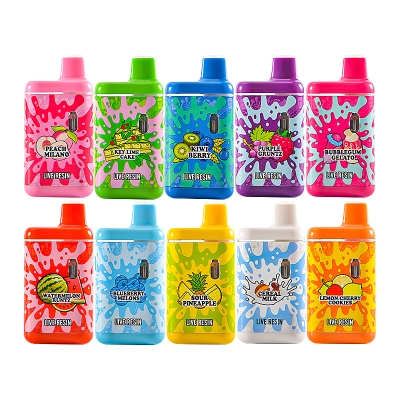
After the name, users notice the shell. Not in a technical engineering sense at first, but in a visual sense. Does the body shape feel planned? Does the front face look balanced? Is the screen area integrated cleanly, or does it look like a feature added late in development? Does the finish fit the collab theme, or is it just a standard body with a louder graphic?
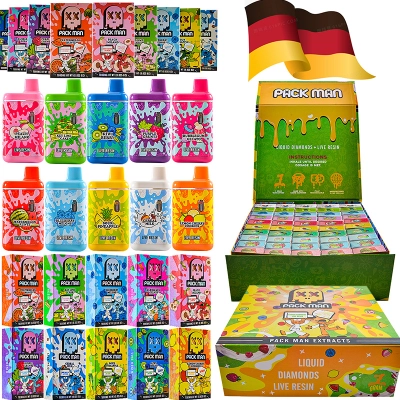
Themed products usually create stronger reactions when the shell and the story feel aligned. A World Cup concept benefits from visual confidence: strong contrast, clean icon placement, and an overall layout that feels built for attention rather than merely decorated for attention. Users are quick to detect when a product page is relying on branding alone. They are equally quick to notice when the industrial design seems to support the theme. That balance between visual drama and layout discipline is one reason comparison pieces like the Packman x NFL collab review are useful internal references: they help readers see how themed identity and hardware presentation need to reinforce each other, not compete.
3. The Screen or Front-Face UX Often Becomes the Deciding Detail
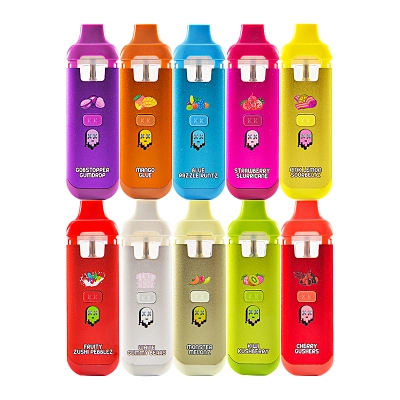
Once the shell catches attention, the next thing many users notice is the front-face UX. On modern themed disposables, that often means the screen area, the window geometry, or the way status information is presented visually. Even without reading a specification list, users are good at scanning for confidence markers. A clean front face suggests clarity. A cluttered one suggests uncertainty.
This is not only about aesthetics. It is about interpretability. If a user sees a screen, they assume the device is trying to tell them something clearly: battery state, mode status, chamber identity, or other at-a-glance information. That expectation changes the way the product is judged. A visible display is no longer just a feature; it becomes part of the product’s credibility. If the screen area looks intentional and readable, the whole device feels more thought-through. If it looks ornamental, users may remember the decoration but not trust the execution.
4. Users Notice Whether the “Dual” Story Is Instantly Understandable
For a World Cup-linked device with a dual-chamber angle, users also notice how quickly they can understand the “two-in-one” story. They do not need the engineering diagram first. They need a visual logic they can read at a glance. Is the left/right structure obvious? Is the mode change implied by the UI? Does the product page make the chamber logic look organized, or does it make the device look more complicated than it needs to be?
This is where themed editions can succeed or fail. If the edition adds visual excitement but makes the dual-chamber logic harder to understand, the design loses clarity. If it adds excitement while keeping the product architecture obvious, it feels smarter. Users notice this immediately because it affects confidence. The more special-edition elements a page introduces, the more important it becomes to keep the core interaction readable. That is also why readers often benefit from adjacent comparisons such as Packman vs. regular Packman: those pieces help explain whether a themed version improves the user-facing experience or simply changes the cosmetic language.
5. Size, Weight, and the 2G Expectation Shape Perception
Users also notice whether the product “looks like” a 2G-class device before they ever verify the number. Capacity changes visual expectation. A 2G product is often read as more substantial, more feature-dense, and more presentation-conscious than smaller-format listings. That means the shell, front profile, and visual balance carry extra responsibility. If the page promises a bigger format but the product imagery feels generic or under-built, the device can feel less convincing than its title suggests.
This is one reason capacity is not just a specification point. It affects how users read the whole page. A larger-capacity format creates assumptions about runtime, housing size, battery planning, and screen relevance. In practical editorial terms, it gives the writer more to discuss than just “how much.” It gives the writer a reason to talk about why the device looks the way it does and why the product story is built around that size class. For readers trying to understand how 2G hardware is judged differently from nearby formats, a 2g vs. 3g hardware guide is a helpful next step.
6. Small Mechanical Details Matter More Than Brands Sometimes Assume
After the headline cues, users begin noticing the small physical signals: button placement, slider confidence, cutout symmetry, edge finishing, mouthpiece integration, and how “tight” the whole body appears in photos. These details are easy to underestimate because they do not always dominate the hero image. But they strongly influence whether the product feels premium, rushed, or risky.
A themed page builds expectation. Once that expectation is high, users become more sensitive to minor inconsistencies. A loose selector or awkward cut line stands out more on a high-attention collab than it would on a generic listing. In other words, better branding raises the standard for mechanical polish. That is why transit and selector durability are not only logistics topics; they are perception topics too. A useful internal explainer on selector durability in transit reinforces this point: if the control method feels fragile, the product impression weakens long before anyone reaches a specification chart.
7. Packaging and Trust Signals Close the Loop
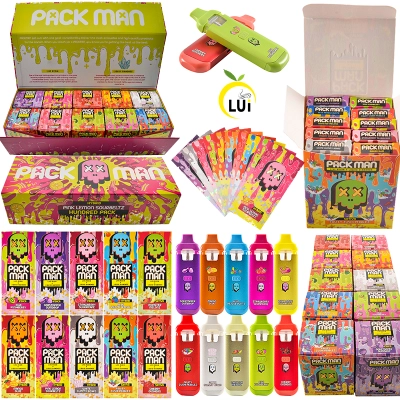
Finally, users notice whether the product page feels trustworthy. On themed hardware, trust does not come from one single badge or one aggressive claim. It comes from a combination of signals: consistent naming, readable images, coherent packaging language, and a page structure that looks like it knows exactly what it is trying to communicate. If the title, hero, packaging cues, and internal references all support the same story, the page feels deliberate. If those signals fight each other, the page feels stitched together.
This is where many product pages either level up or flatten out. A strong page does not ask users to decode its identity. It gives them a clean narrative: this is the family, this is the themed variant, this is what changes visually, and this is why the format is recognizable. For a World Cup-themed Packman page, that means the real first impression is not any single feature. It is the combination of name, shell, screen language, and packaging coherence working together in the first few seconds.
Conclusion
What users notice first is rarely the full spec sheet. They notice the product story made visible. In the case of a Packman World Cup 2G disposable page, that story begins with brand recognition, becomes credible through shell design, and either strengthens or weakens depending on how clearly the screen, chamber logic, and packaging cues are presented. The more themed the product becomes, the more important clarity becomes.
That is the main editorial takeaway: themed hardware succeeds when the page helps users understand it quickly. Not just admire it, and not just recognize it, but understand it. When naming is clean, the front-face UX is readable, the dual-chamber logic is visually obvious, and the small mechanical details look intentional, the page does more than attract attention. It earns confidence. And confidence is what turns a momentary glance into a useful page experience.
0 Comments