
Packman NFL Disposable vs. Regular Packman: A Comparison
Scope note (hardware-focused): This comparison is written to help buyers evaluate device platforms, screen UX, charging behavior, packaging execution, and verification workflow. It does not provide instructions for filling, formulating, or producing regulated consumables. Buyers and operators are responsible for lawful labeling, distribution, and compliance in their markets.
What this comparison is really about
“Packman NFL Disposable” and “Regular Packman” are often discussed as if they are two completely different products. In practice, they usually represent two different merchandising layers on top of a similar hardware foundation: (1) a themed presentation (box art, naming, assortment framing), and (2) a device configuration choice (screen vs non-screen, charging layout, shell finish, and packaging QC).
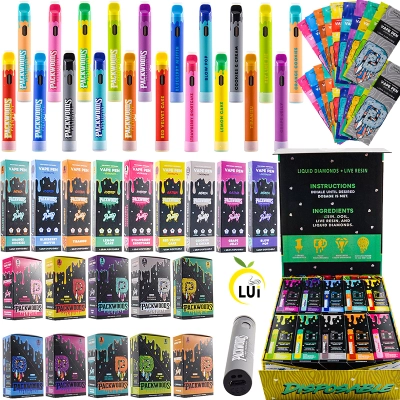
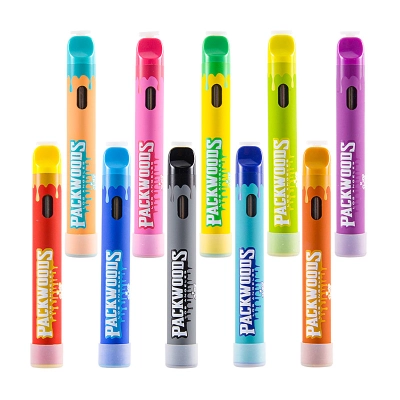
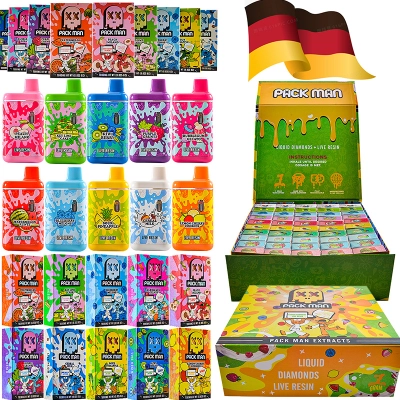
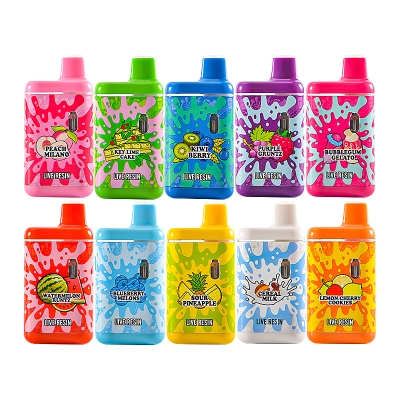
If you are building a Packman lineup, start with the core catalog hub to understand the baseline assortment: packman. For the disposable-focused category view (useful for standardizing a shell platform across multiple programs), see: packman NFL disposable.
At-a-glance comparison
| Dimension | Packman NFL Disposable (themed) | Regular Packman (baseline) |
|---|---|---|
| Primary buyer intent | Retail story + “collab-style” shelf appeal | Stable platform for repeat reorders |
| Visual differentiation | Higher emphasis on packaging/finish details | More consistent, less presentation-driven |
| Screen adoption | More likely to ship in screen-forward variants | Often mixed: screen + non-screen |
| QC risk profile | Packaging variance is the #1 risk | Device variance is the #1 risk |
| Best use case | Short campaigns, themed drops, premium bundles | Always-on SKU program and replenishment |
1) Device platform: what to inspect before you believe the label
Shell build and ergonomics
The fastest way to separate a “presentation SKU” from a “platform SKU” is to inspect the shell like an engineered component. Run a small sampling set (e.g., 10–20 units) and check:
- Seam integrity: no sharp edges; no flex or creak under normal hand pressure.
- Mouthpiece fit: tight tolerances with no wobble; no micro-gaps that trap dust during transit.
- Controls (if present): consistent activation force and no rattling.
Regular Packman lines often win on consistency because the program is built for reorder cadence. Themed “NFL” editions can be excellent, but they tend to add more cosmetic variables (inks, coatings, windows, embossing), which increases QA overhead.
Screen vs non-screen: why “screen” is a decision, not a decoration
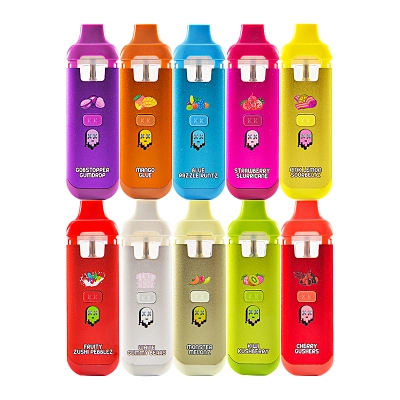
If your buyers respond to battery indicators, preheat cues, or simple status feedback, screen variants can reduce “is it dead?” complaints. But screens add new failure points: window lamination, panel brightness variance, and driver stability. Use the broader assortment page to compare screen-first options: screen vape.
- Readability under retail lighting: test under bright overhead LEDs.
- Window durability: check for fogging, bubbles, edge lift after 24 hours.
- Fail-safe behavior: if a screen fails, the device should not become unsafe (screen is UX, safety is circuit-level).
2) Charging, power, and shipping: the compliance posture buyers expect in 2026
Whether a SKU is themed or baseline, power and transport expectations are increasingly standardized in professional procurement. Your goal is not to “claim compliance” casually, but to request documentation that de-risks your supply chain.
What to request (practical standard references)
- Electrical system safety: many manufacturers reference UL 8139 for evaluating electrical, heating, battery, and charging systems (where applicable to device class and market requirements).
- Battery safety testing: IEC 62133-2:2017 specifies requirements and tests for portable sealed secondary lithium cells and batteries.
- Transport testing: UN 38.3 is a key test framework for lithium cells/batteries offered for transport; request test summaries when relevant.
For fast replenishment and smoother warranty handling, many buyers prefer domestic inventory lanes for high-turn SKUs. If that matches your operating model, align “screen-forward” variants with: USA warehouse stock.
3) Packaging execution: where “NFL edition” usually wins or loses
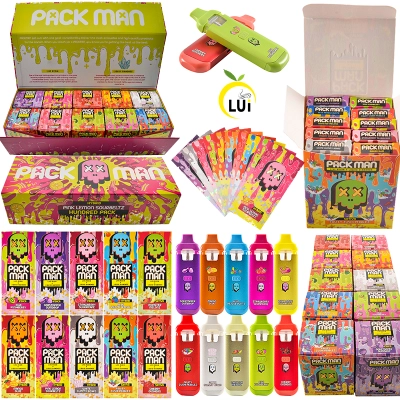
In most themed drops, the packaging carries the perceived value. That means your biggest operational risk often shifts away from the device itself and toward print, labeling, and carton consistency. “Packman NFL Disposable” style SKUs tend to generate higher shelf impact—when the packaging is disciplined—and higher returns when it isn’t.
Packaging QC checklist (copy/paste)
- Box dieline and dimensions match the approved sample (no “near matches”).
- Print alignment on logos/panels is consistent across the lot.
- Barcodes (if used) are scannable and mapped to your receiving records.
- Lot/batch identifiers exist and are placed consistently.
- Inner tray fit prevents device movement (reduces scuffs and screen scratches).
- Protective film (if used) is applied evenly and removes cleanly.
For a deeper internal reference on how Packman-style empty shells and packaging programs are typically structured, see: Packman shell design guide.
4) Verification and claims: keeping your messaging defensible
The phrase “NFL” can carry strong implied meaning. If you cannot verify licensing documentation, treat “NFL” as a style label used in channel naming—do not present it as a guaranteed official endorsement. A defensible approach is to market the SKU based on what you can prove: platform features, packaging quality, and supply reliability.
If you operate in the U.S. or adjacent markets where ENDS enforcement and compliance messaging matter, keep copy conservative and avoid promising regulatory status. For background, FDA provides overview pages on ENDS regulation and related topics.
5) Which one should you choose? A buyer decision framework
Choose Packman NFL Disposable when…
- You need a themed drop for a limited campaign or premium bundle.
- Your retail partners prioritize packaging aesthetics and “story-led” shelf presence.
- You can enforce packaging QC and maintain a consistent print vendor pipeline.
Choose Regular Packman when…
- You want an always-on SKU that reorders cleanly and behaves predictably.
- You’re building a multi-month program and need stable defect rates.
- You prefer to standardize the platform first, then layer themed packaging later.
If you need both, standardize the platform first
The most stable strategy is to standardize the device platform (shell, screen option, charging layout, and QC plan), then deploy themed packaging as a controlled variable. That way, if a themed run has packaging issues, your core platform program continues without disruption.
Final take
Packman NFL Disposable vs Regular Packman is less about “two different products” and more about how you balance merchandising (theme, packaging, shelf appeal) against operations (platform stability, QC, replenishment). If your team can control packaging execution and wants a campaign-ready presentation, the NFL-themed style can be a strong fit. If you prioritize reorder consistency and predictable buyer experience, Regular Packman is usually the safer foundation.
0 Comments