
Packman x NFL: The Official 2026 Collab Review
Scope note (hardware-only): This review focuses on disposable vape hardware (device shell design, screen UX, power system, packaging cues, and B2B verification). It does not provide instructions for filling, formulating, or producing regulated consumables. Buyers and operators are responsible for lawful use, labeling, and local compliance.
Why this “Packman x NFL” drop is trending in 2026
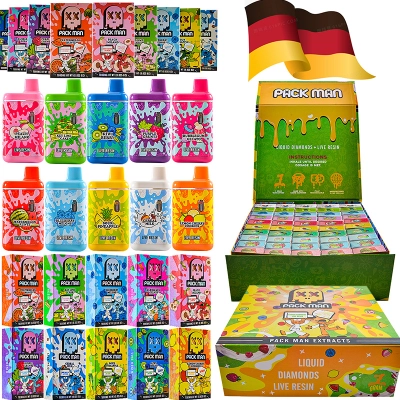
In 2026, collaboration-style SKUs keep winning because they compress three buyer expectations into one label: a recognizable “story,” a consistent device platform, and packaging that looks premium enough to justify shelf placement. “Packman x NFL” is marketed as an officially inspired collab in many channels, but for B2B buyers the practical question is simpler: does the hardware platform hold up—especially when the lineup leans into screen-equipped bodies, higher-capacity batteries, and more elaborate packaging?
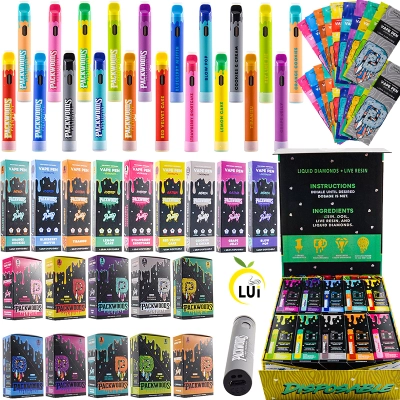
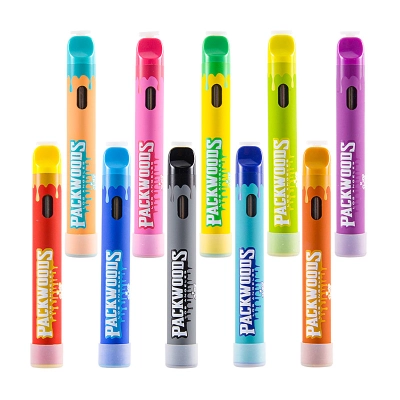
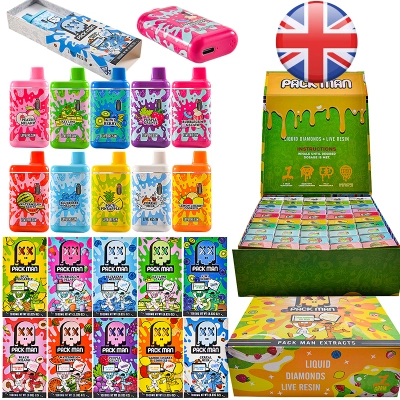
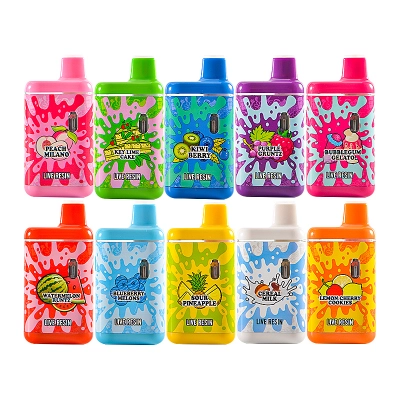
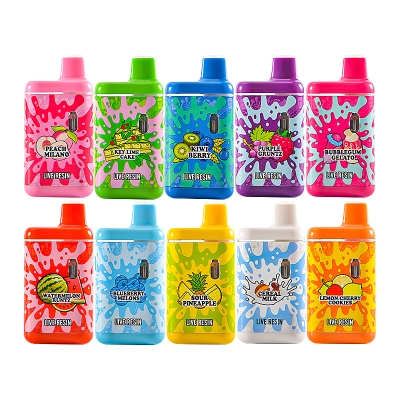
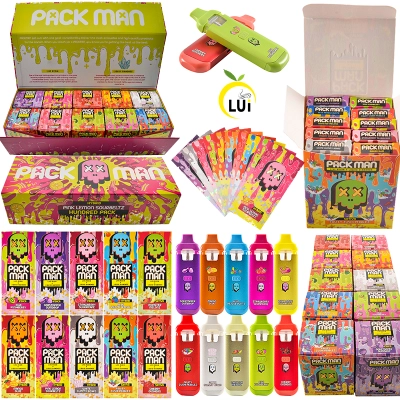
If you are building a brand program around the Packman ecosystem, start with the category hub for baseline spec expectations: packman. For the disposable-focused assortment view (useful when you want to standardize a shell across multiple box designs), review: packman NFL disposable.
Quick verdict
- Best for: buyers who want a recognizable theme + a stable platform for repeat orders, especially in screen-first formats.
- Watch-outs: screen quality variance across factories, inconsistent packaging QC, and “official” language that isn’t backed by verifiable licensing.
- Procurement tip: treat “official collab” as a claim to verify, not a feature to assume.
Design and build: what to inspect first
1) Shell ergonomics and durability
Collaboration SKUs often prioritize appearance—finishes, embossing, metallic inks—sometimes at the expense of real durability. For a hardware-only evaluation, your first pass should be mechanical:
- Seam consistency: no sharp edges; seams should not flex or “creak” under moderate hand pressure.
- Mouthpiece fit: tight tolerance with no wobble; check for micro-gaps that can trap dust during shipping.
- Button/airflow controls: if present, confirm actuation force is consistent across a small sample set (e.g., 10 units).
2) Screen placement and readability
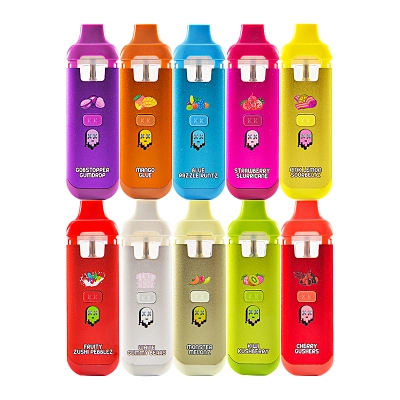
Screen devices aren’t “better” by default—the screen can be a liability if the panel, driver board, or window lamination is weak. If your buyer persona values a digital indicator (battery level, preheat status, runtime cues), prioritize screen legibility and scratch resistance in your sampling protocol. For broader screen-based assortments, see: screen vape.
- Readability in retail lighting: test under bright overhead LEDs; low-contrast screens wash out fast.
- Window integrity: check for fogging, micro-bubbles, and edge lift after 24 hours at room temperature.
- Fail-safe behavior: if the screen fails, the device should not become unsafe (screen is UX; safety must be circuit-level).
Power system and charging: what “good” looks like in 2026
Screen-equipped disposable bodies typically draw more standby power than classic stick shells. In 2026, buyers are increasingly using a “power budget” mindset: stable output, predictable runtime, and robust charging behavior matter more than flashy UI.
Battery and electrical safety: standards to request (not claims to assume)
When vetting any disposable hardware platform, request documentation aligned with recognized safety and transport expectations:
- Electrical system safety: testing to UL 8139 is widely used to evaluate electrical, heating, battery, and charging systems for e-cigarette/vape devices. (UL overview)
- Battery safety: IEC 62133-2 specifies requirements and tests for portable sealed secondary lithium cells and batteries. (IEC publication)
- Shipping compliance: lithium cells and batteries offered for transport must meet UN 38.3 testing requirements; ask for test summaries where applicable. (PHMSA guidance)
Important: do not market a device as meeting a standard unless you can verify the scope, lab, and test report details. Instead, position these as procurement requirements that reduce risk and improve consistency.
Charging UX (Type-C is not enough)
Many listings call out “Type-C” as a feature. Your QC checklist should go further: verify port alignment, plug-in tolerance, and charging stability across multiple cable types. If you ship from domestic inventory for speed, consider aligning “screen SKUs” with readily available stock lanes (so you can replace QC failures without derailing the program). A practical internal hub is: USA warehouse stock.
“Official” collab language: how to evaluate it responsibly
In the vape hardware ecosystem, “collab” naming is often used as a merchandising shorthand. If a product is presented as “officially licensed,” treat it as a claim to verify—not an assumption. For B2B decision-making, ask:
- Is there verifiable licensing documentation? If none is available, avoid repeating “official” in paid ads or packaging copy.
- Is the packaging art original? Look for generic sports motifs rather than protected marks.
- Is the seller consistent across SKUs? Collab-style lines with inconsistent print vendors tend to have higher return rates.
If your audience includes U.S. channels that are sensitive to ENDS enforcement and compliance posture, keep your messaging focused on hardware safety, packaging quality, and lawful distribution. For regulatory background, FDA’s ENDS overview is a helpful reference: FDA ENDS overview.
Specs that matter most to retailers (and why)
Retailers generally care about three outcomes: low defect rates, fewer customer complaints, and packaging that survives handling. For “Packman x NFL” style devices, the highest-impact specs are:
- Consistent draw behavior: avoids “it’s clogged” complaints (even when the real issue is user technique).
- Screen reliability: prevents returns triggered by dead displays, dim panels, or window delamination.
- Packaging QC: barcodes, batch labeling, and print consistency reduce chargebacks and customer distrust.
- Stable charging: reduces safety anxiety and improves perceived quality.
If you want a deeper library of hardware-only writeups for training your buyers (and building topical authority), browse the internal editorial hub: Lueciga blog.
Buyer checklist: 12 questions to ask before you scale a PO
Sampling and QC
- Can the supplier provide consistent photos/video for the same SKU (same shell mold, same screen window, same packaging dieline)?
- Do you have an AQL plan for cosmetic defects and functional tests (screen, charging, button, airflow)?
- Do cartons include batch/lot identifiers that map to your receiving logs?
- Is there a clear replacement policy for dead-on-arrival screens or charging failures?
Compliance and logistics
- Can they provide lithium battery transport documentation aligned with UN 38.3 expectations (where applicable)?
- Is there a credible test-lab trail for electrical system and battery safety documentation (scope, lab name, report date)?
- Are MSDS/SDS documents available for non-battery packaging components (inks/adhesives) when your market requires it?
- Do they support domestic stock lanes for rapid replenishment or warranty swaps?
Final take: how to use this “collab” in a sustainable SKU strategy
“Packman x NFL” performs best when you treat it as a merchandising wrapper around a stable hardware platform. If your supply chain can keep screen quality consistent and your packaging QC is disciplined, this kind of themed line can support repeat purchasing and cleaner shelf narratives.
The most durable approach is: (1) standardize on a proven shell, (2) confirm screen and charging behavior through sampling, (3) lock packaging dielines, (4) document QC and logistics, and (5) keep your public claims conservative unless you can verify them.
0 Comments