
Packman World Cup Collab: Branding, Hardware, and Hype
Meta title alternative: Packman World Cup Collab: Branding, Hardware, and the Hype Cycle
Meta description alternative: A people-first editorial analysis of the Packman World Cup collab, covering branding language, hardware signaling, cultural timing, and why the format creates attention.
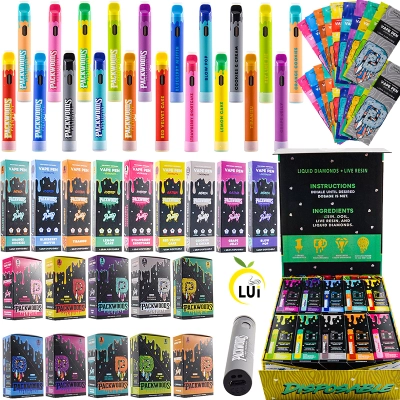
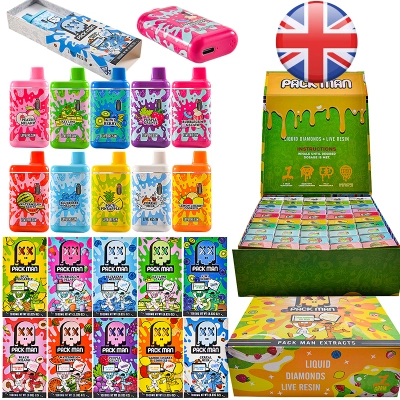
In crowded consumer categories, attention rarely goes to the product with the longest specification sheet. It usually goes to the product that tells the clearest story. That is why event-themed collaborations continue to matter so much in adult-market branding. A concept like the Packman World Cup collab is not interesting only because of the name. It stands out because it combines three powerful forces at once: recognizable cultural timing, visible hardware cues, and a built-in hype narrative that is easy for buyers, browsers, and content teams to understand.
The “World Cup” reference instantly creates an atmosphere. It suggests scale, urgency, celebration, and collectability. Even before a user reads the details, the phrase frames the product as something more than a routine item in a long catalog. It feels moment-based. It feels visual. It feels social. In content terms, that matters because products do not spread online only through features; they spread through language. The best-performing product concepts often compress a full marketing message into a short phrase, and event-linked naming does exactly that.
On a site with an active category-and-content structure, that story becomes even stronger when it is connected to the wider editorial ecosystem. A reader landing on a single page should be able to understand not only the device itself, but also where it fits within the broader Lueciga blog archive. That kind of contextual linking is useful because it turns one product narrative into part of a larger conversation about design, format trends, and consumer-facing presentation.
Why a World Cup Angle Works So Well in Brand Storytelling
Global sports events create one of the most powerful branding environments in modern media. FIFA’s official reporting on the 2022 World Cup says around five billion people engaged with tournament content across media platforms, underlining how large the symbolic footprint of the event can be. That does not mean every product attached to football language becomes successful. It does mean that the vocabulary of the tournament carries unusual emotional weight: flags, rivalry, national color, celebration, prestige, and the feeling of a worldwide moment. Those signals are useful for brands because they can make a product feel bigger than its physical dimensions. A compact device can inherit the energy of a massive cultural stage simply through its naming, visual direction, and packaging narrative.
This is where branding becomes more than decoration. A good event-driven collab does not merely borrow a famous phrase and place it on a shell. It interprets the emotional logic of the event. In the World Cup context, that usually means designing around motion, contrast, competition, and spectacle. Strong collab branding often uses bold visual segmentation, memorable icon placement, and color systems that feel like they belong to a special edition rather than a routine production run.
For content teams, this creates a major advantage. A standard product page may need a lot of explanation before it becomes memorable. A World Cup-inspired page starts with a built-in frame. The writer can discuss momentum, campaign identity, and shelf recognition without inventing an artificial angle. That is part of why themed product stories often perform well in long-form content: the narrative is already alive before the first paragraph begins.
Hardware Still Does the Real Work
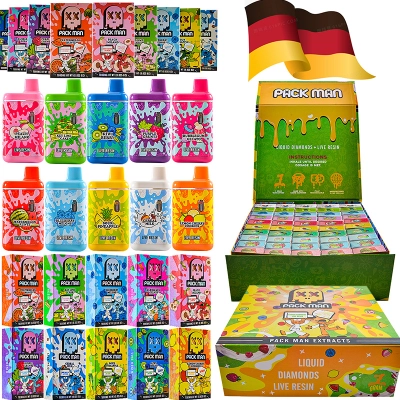
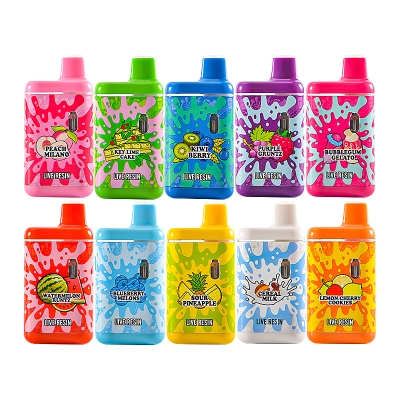
Branding may open the door, but hardware determines whether the concept feels credible. In categories where many products compete for visual attention, consumers and buyers quickly learn to separate “loud packaging” from “clear hardware identity.” A collab that looks exciting but fails to communicate its format can feel shallow. A collab that pairs striking branding with immediately understandable design language feels more complete.
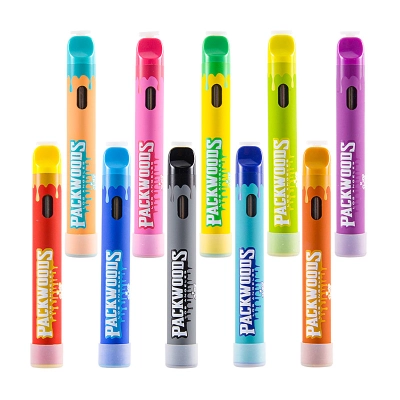
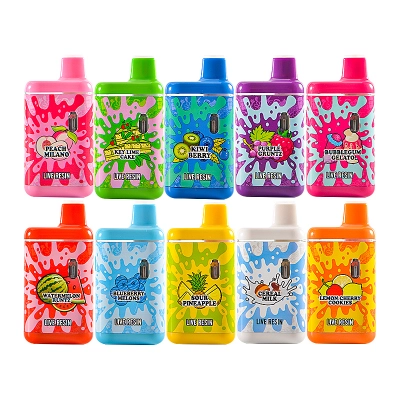
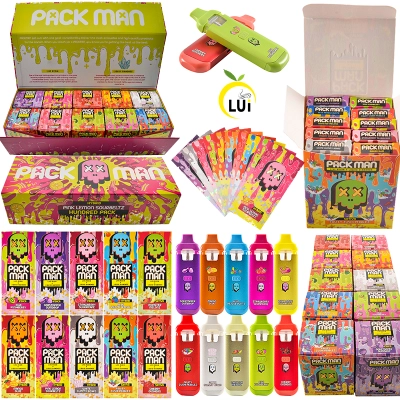
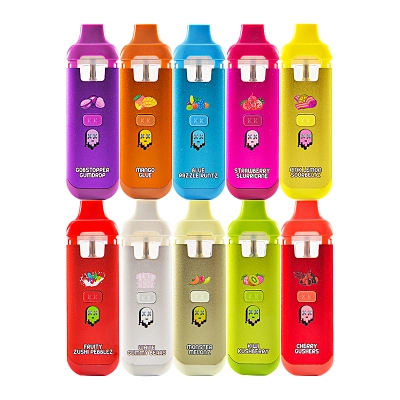
That is why hardware cues matter so much in editorial coverage. The body shape, chamber layout, selector logic, and front-panel presentation all help users read the device before they ever study a feature list. When a collab uses a dual-chamber or screen-led format, it signals intention. It tells the viewer that the product is trying to do something visible, not just something functional. In today’s market, visible hardware identity is a major part of perceived distinctiveness.
Readers who want to understand how this kind of format is explained elsewhere on the site can look at the internal piece on dual-chamber flavor switching. That article helps show why chamber separation, mode selection, and interface clarity are important topics in product storytelling. A special-edition concept feels much stronger when the hardware architecture supports the same sense of novelty that the branding promises.
In practical terms, good hardware storytelling answers three questions immediately. First, what kind of device is this? Second, what makes the format visually different from nearby products? Third, how does that difference make the user experience easier to understand? If a page can answer those questions with clean design cues, it earns more trust than a page that relies only on hype language.
The Role of Hype: Attention, Memory, and Social Spread
Hype often gets discussed as if it were the opposite of substance. In reality, hype is better understood as an amplifier. It magnifies whatever is already there. If a product has weak design logic, hype exposes the weakness faster. If it has a strong visual identity and a clear positioning angle, hype accelerates recognition. That is why the most effective collabs are rarely random. They are designed to be talked about.
The Packman World Cup concept fits this logic well because it sits at the intersection of multiple shareable ideas: event relevance, collectible framing, visual hardware cues, and a familiar product family name. Each of those layers makes the concept easier to remember. Combined, they create a high-retention identity. Users may forget a generic item after one scroll. They are much less likely to forget a product that merges a recognizable brand format with a major-event narrative.
This is also why related internal reading matters. The broader Disposable Vape Blog category helps frame this collab as part of a larger pattern rather than a standalone novelty. When readers can move from one analysis page to another, they start to see how modern device presentation works across families, themes, and design directions. That kind of content architecture is useful both for users and for search visibility because it builds semantic depth around real topics, not just around repeated keywords.
Branding by Comparison: Why Adjacent Content Strengthens the Story
One of the smartest ways to cover a themed collab is to compare it with adjacent product storytelling instead of isolating it. That gives the article more editorial value and helps the reader understand why one concept stands out over another. For example, the internal post on digital-screen collab branding offers a useful parallel. It shows how screen language, visual identity, and brand partnership cues can work together to produce buzz.
Comparison does two things at once. It helps the reader build a sharper vocabulary for design, and it prevents the article from sounding like isolated praise. Instead of saying “this collab is exciting” over and over, the writer can explain why it is exciting in structural terms: naming strategy, screen visibility, front-face clarity, category fit, and narrative timing.
That shift matters. Search-friendly editorial content is usually stronger when it educates rather than merely celebrates. The more a page helps the reader understand how a category works, the more likely it is to feel useful on its own. In Google’s current guidance, that kind of people-first usefulness remains the safer long-term direction for searchable content.
Why This Kind of Page Needs a Strong Title
A page like this can easily go wrong at the title level. If the title tries to cram in every possible keyword—brand name, capacity, format, device type, and event term—it stops sounding like an article and starts sounding like a search string. That weakens readability and increases the chance that search engines will rewrite the title from visible on-page text or anchor signals.
A stronger title does one clear job: it tells readers what the article is actually about. In this case, “Packman World Cup Collab: Branding, Hardware, and Hype” works because it is concise, aligned with the editorial angle, and broad enough to cover the full body content. It promises analysis, not a product pitch. That distinction is important because the body of the article is not about price, quantity, or transactions. It is about presentation logic.
The same principle applies to internal anchors. Instead of stuffing repetitive commercial phrases into every link, it is better to use natural anchor text that tells readers what they will find next. That is why phrases such as “dual-chamber flavor switching” or “digital-screen collab branding” work better than generic or overloaded alternatives.
What Makes the Concept Memorable
In the end, the Packman World Cup collab works as a topic because it is not relying on just one layer of appeal. The concept has naming energy, hardware visibility, and a natural cultural frame. That combination is what transforms a product mention into an editorial subject. It gives the writer enough material to discuss branding, enough visual logic to discuss design, and enough market psychology to discuss hype.
For readers who want a broader beginner-friendly perspective on how hardware narratives are explained across the site, a simple hardware guide is another useful reference point. Pages like that reinforce an important lesson: memorable product content does not come from louder wording alone. It comes from making the format easier to understand.
That is ultimately the real opportunity behind event-driven collaborations. They can attract attention quickly, but they only hold attention when the storytelling is organized. If the page title is clean, the H1 matches the editorial promise, the body explains the concept in plain language, and the internal links lead readers to genuinely relevant follow-up reading, then the content does more than chase buzz. It becomes useful.
And that is the best long-term outcome for any branded article. Hype may bring the first click. Clear branding, visible hardware logic, and thoughtful editorial structure are what make the page worth staying on.
0 Comments