
Choices Lab Vape for First-Time Buyers: A Simple Hardware Guide
For first-time buyers, the hardest part is often not finding a product page. It is understanding what the device format is trying to offer and how one model differs from the many similar-looking options in the disposable category. That is why Choices lab is worth looking at through a hardware-focused lens. Instead of treating the category as a list of interchangeable devices, it helps to read it as a system of design choices: body shape, screen style, chamber layout, charging format, portability, and how the device is presented to adult buyers in legal markets.
A first-time buyer does not need a complicated explanation to understand whether a device family is worth exploring. What matters most at the beginning is clarity. Is the format easy to recognize? Does the page make the device feel modern and purposeful? Can you tell, just from the product presentation, whether it belongs to a more basic disposable class or to a more advanced screen-led format? In that sense, Choices lab disposable stands out because the collection is easier to interpret than many generic product groups. The naming is clearer, the hardware identity is stronger, and the format cues are more visible.
Start with the Device Format, Not the Hype
If you are new to this type of product category, the best starting point is the hardware format itself. A good product page should tell you what kind of device you are looking at before you ever compare details. Is it a compact all-in-one design? Does it use a visual display? Is the body shaped like a simple stick, a thicker rounded unit, or a more feature-led disposable? These are the questions that make a page easier to understand.
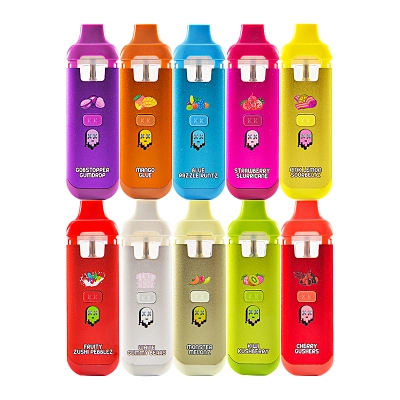
The reason format matters is simple: a first impression often decides whether the rest of the page feels trustworthy and organized. A category such as LED screen vape already teaches buyers what to look for in a screen-equipped device. Once a shopper understands that a visible display can improve readability, visual identity, and product differentiation, they can evaluate Choices Lab with more confidence. The screen is not just decoration. It changes how the device communicates with the user and how it stands out in a crowded category.
Why Screen-Based Hardware Feels More Beginner-Friendly
Even when a buyer is experienced with general consumer electronics, they may still feel uncertain in a new hardware niche. Screen-based devices reduce some of that uncertainty because they look more informative. A display suggests that the device has a clearer interface, a more modern product language, and a stronger visual center. That can make the overall experience of browsing the page feel less abstract.
For first-time buyers, a visible screen also makes the product easier to compare against neighboring items in the catalog. If one disposable has a more distinctive face, cleaner display area, or more refined front panel, it is easier to remember. That matters because shopping behavior is rarely linear. People open several product pages, compare them, go back, and then revisit the options that felt the clearest. Devices that present information visually often perform better in that kind of comparison process.
Understanding the Appeal of the Dual-Chamber Direction
Another useful thing to notice is how the device architecture changes the product story. On this site, the broader Dual Chamber Vape category helps explain why certain devices feel more advanced than a standard single-body disposable. A dual-chamber direction immediately signals that the hardware has been designed around a more deliberate structure. Even before a buyer understands all the details, they can see that the format is doing something different.
From a catalog perspective, that difference is valuable. It gives the product a stronger identity. A plain disposable can easily blend into a long list of similar units, but a dual-chamber layout can create a clearer talking point for buyers, merchandisers, and content teams. For a first-time visitor, that means the product family is easier to remember. It also makes the page more useful as educational content, because the writer can explain the format in a way that goes beyond generic sales language.
What First-Time Buyers Should Actually Look for on the Page
The most practical way to approach a product like Choices Lab is to read the page in layers. First, look at the overall body shape and front-facing presentation. Does it appear compact, modern, and easy to identify? Second, check whether the interface design supports easy understanding. A visible screen, a clean front panel, and a balanced silhouette often indicate that the product has been designed for stronger shelf appeal and cleaner merchandising. Third, compare how the device is positioned against nearby product families on the same site.
That last step matters more than many beginners expect. A site with organized related categories makes product evaluation easier. For example, the 2g Disposable Vape Pen collection gives buyers useful context about where a device sits in the broader range of compact disposable formats. It helps frame expectations around size, presence, and general category placement. Instead of looking at one product in isolation, a first-time buyer can understand it as part of a wider hardware ecosystem.
Why Choices Lab Works as an Entry Point
Some product families work well for first-time buyers because they are simple. Others work because they look advanced enough to feel memorable without becoming visually confusing. Choices Lab sits in that second group. It has enough design identity to stand out, but it still reads like a coherent disposable family. That balance is important. A product that looks too ordinary may be forgettable. A product that looks too complex may feel intimidating. The best entry-point devices usually sit in the middle: distinct, organized, and easy to describe.
This is also why the category is a good subject for a blog article. A useful first-time guide should not only explain a device in isolation. It should help readers understand why the format exists, what visual details matter, and how to compare one product family to another. Choices Lab gives enough visible material to support that kind of explanation. Screen-led presentation, structured body design, and related dual-chamber context all contribute to a stronger editorial angle.
How to Read Product Presentation Like a Smarter Buyer
A better buying habit is to slow down and read beyond the headline. On many sites, shoppers focus only on the name and image, but a more useful approach is to study how the page frames the hardware. What words are repeated? What visual features are emphasized? Is the device being presented as a design-forward unit, a screen-forward unit, or a category-standard disposable? The answers tell you how the seller wants the product to be understood.
In the case of Choices Lab, the page structure and related categories suggest a stronger emphasis on hardware identity rather than a fully generic format. That makes it easier to write people-first content around the product. Instead of repeating broad marketing phrases, a blog can discuss what the screen contributes to the design, how dual-chamber thinking changes the visual story, and how this device family compares with other size- and screen-led categories already present on the site.
Practical Checks for Adult Buyers in Legal Markets
For adult buyers in legal jurisdictions, a responsible first-time guide should focus on informed evaluation rather than impulsive browsing. That means checking the product page carefully, reviewing the visible hardware cues, comparing category placement, and following all packaging and seller documentation. It also means paying attention to storage, transport, and general device care. Good hardware content should make the buyer feel more informed before purchase, not simply more excited in the moment.
This is especially helpful when the device sits inside a larger family of related formats. A shopper who understands the difference between a simpler disposable body and a more screen-oriented or dual-chamber presentation can make better decisions about what suits their preferences. Even if they are still early in the research process, they will be able to compare products more intelligently and avoid treating all disposables as basically the same.
Why This Topic Is Strong for SEO and User Experience
From an SEO perspective, a first-time hardware guide works because it matches a real reader need. Many visitors do not want a page full of vague buzzwords. They want help understanding what they are seeing. A well-structured article can answer that need by explaining the format, defining the role of a screen, connecting the product to related categories, and setting expectations for what a beginner should check before choosing a device. That makes the page useful even for visitors who are not ready to make a decision immediately.
It also improves internal navigation. Readers who start with a broad overview can naturally move to related category pages without feeling pushed. That is exactly what good internal linking should do. Each linked page should make the next click feel logical. In this case, Choices Lab, the disposable collection page, the LED screen category, the dual-chamber category, and the 2g format page all support one another as part of a clearer topic cluster.
Final Thoughts
For a first-time buyer, Choices Lab is easiest to understand when viewed as a hardware family rather than a single listing. The device presentation, screen-led identity, and broader dual-chamber context all help the format stand out. That makes it a good subject for educational content aimed at adult buyers who want to understand the basics before going deeper.
The biggest takeaway is simple: begin with the format. Look at the body design, the screen, the category placement, and the relationship to other product families on the site. When you do that, Choices Lab becomes easier to interpret, easier to compare, and easier to remember. For a first-time hardware guide, that is exactly the goal: not to overwhelm the reader, but to make the category clearer, more navigable, and more useful from the very first visit.





0 Comments