
Muha Meds x Cookies Collab: Design, Branding, and the Buzz Around Digital-Screen Disposables
Editor’s note: This article is written as a branding and category-analysis piece for adult readers in legal markets. It focuses on design language, product positioning, and online attention rather than medical or performance claims.
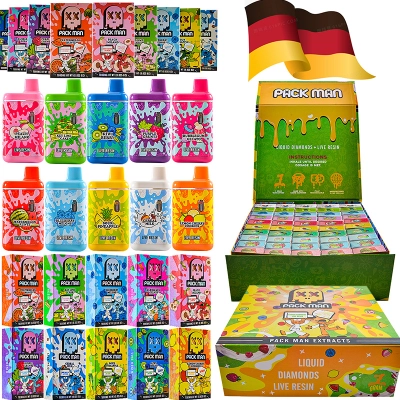
In today’s fast-moving disposable category, attention is rarely won by function alone. What captures interest now is the full combination of visual identity, shelf presence, naming logic, and how a product fits into a broader cultural conversation. That is exactly why the idea of a muha meds and cookies collab stands out. Even before people dive into details, the pairing itself carries immediate recognition: one side brings a familiar brand presence, while the other contributes an established lifestyle aesthetic that audiences already associate with premium design, street-level visibility, and conversation-worthy presentation.
What makes a collaboration like this interesting is not simply the logo mix. It is the way two recognizable brand languages can be combined into a single visual story. In crowded disposable categories, a product has only a few seconds to make an impression. Packaging, finish, naming, silhouette, and display cues all matter. When consumers or readers see a collaboration concept, they are not only evaluating the device itself; they are reading the signals around it. They want to know whether the collaboration feels intentional, whether the design has a point of view, and whether the final presentation looks cohesive instead of forced. Strong collaborations succeed because they reduce friction: people understand the concept quickly, and that quick understanding creates curiosity.
Why the Design Angle Matters So Much
Design is often the first language a product speaks. Before a customer reads copy, scans a menu, or lands on a product page, they usually react to visual form. In the disposable segment, that first reaction is shaped by proportions, screen placement, typography, finish, color balance, and the overall feeling of “newness.” A page built around muha meds disposable products can gain more traction when it treats design as a real topic rather than a throwaway bullet point. Readers are increasingly drawn to articles that explain why something looks the way it does, not just what it is.
In other words, the strongest blog content does not read like a catalog. It reads like an informed editorial breakdown. If the product uses a digital interface, a different body shape, or a more modern visual layout, that should be framed within a larger conversation: why does screen-based styling attract attention, how does minimal industrial design affect perceived value, and what makes some devices feel more “current” than others? Those are the kinds of questions that make an article more linkable, more readable, and more likely to hold attention than a generic product summary.
Branding: The Real Engine Behind the Buzz
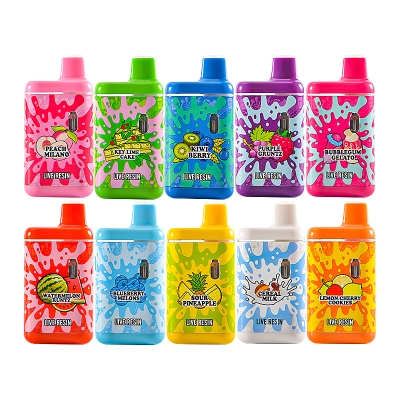
Collaboration branding works because it compresses meaning. A single brand can communicate a lot, but two known names placed together can tell a faster, denser story. One brand may suggest consistency and category familiarity; the other may signal cultural reach, design confidence, or audience identity. When those messages align, people begin talking not just about the object, but about what it represents. That is why pages related to a cookies disposable lineup can attract interest even before buyers compare formats or details. The co-branded framing itself becomes part of the value conversation.
From a content strategy perspective, that creates a major opportunity. Instead of writing another thin “product overview,” a stronger blog post can unpack the collaboration as a branding case study. Why do co-branded products get remembered more easily? Why do readers click when a title suggests a crossover of aesthetics and audience? Why do visuals travel more effectively on image-led platforms when two recognizable identities are involved? These are the angles that make a blog post more useful and more original. They also help the page stand apart from repetitive affiliate-style or store-style copy that tends to say the same thing in slightly different words.
The Role of Digital Screens in Perceived Innovation
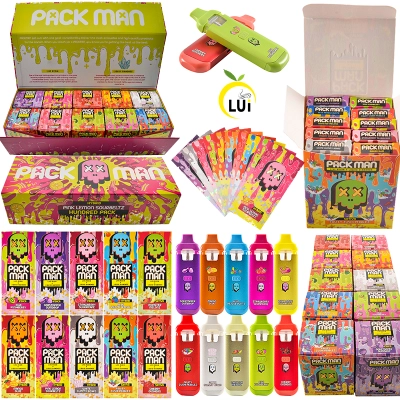
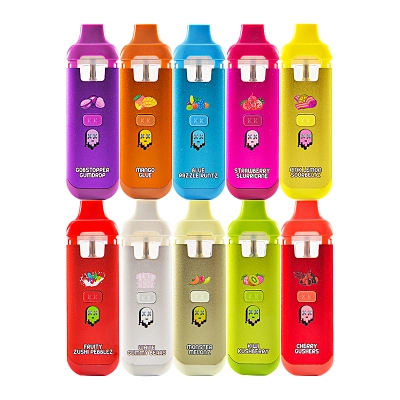
One reason digital-screen devices generate attention is simple: screens instantly signal modernity. Whether readers call it a display, a smart interface, or an LED screen vape, the visual message is similar. A screen changes the product from a purely functional item into an object that looks designed for visibility, interaction, and presence. In content terms, that matters because “screen-equipped” devices naturally create more discussion hooks. Writers can examine how interface features affect perception, why display elements reshape packaging photography, and how screen-forward styling influences the premium feel of a product page.
Importantly, the best editorial treatment is not to overhype the screen itself. The smarter move is to explain the role it plays in the wider visual hierarchy. A screen can become a focal point, but it should support the brand story rather than replace it. If the device design feels futuristic while the identity system still feels coherent and clean, the article has more depth. That is the difference between shallow novelty coverage and useful category commentary. Readers do not just want to know that a feature exists; they want context for why it matters in the current market conversation.
Why This Kind of Product Generates Online Conversation
Buzz is rarely random. In most cases, it is produced by a mix of recognizability, visual distinctiveness, and easy-to-repeat language. A collaboration post is easier to discuss because it already has a built-in narrative: two names, one product format, and a visual angle that can be understood at a glance. That makes it easier for users to search, easier for social posts to summarize, and easier for readers to remember after they leave the page. A well-structured article can build on that natural momentum by organizing the story around three pillars: what the collaboration signals, how the design supports the identity, and why the conversation around it keeps growing.
This is also where internal linking becomes especially valuable. When you mention adjacent categories or related product families, you are not only helping readers navigate; you are clarifying topical relevance for search engines. A supporting link such as Muha Meds disposable vape pens works well because it is highly descriptive and clearly connected to the subject of the article. It gives readers a natural next step without interrupting the editorial flow. The best internal links feel earned. They appear where a reader would reasonably expect more context, not where a keyword has been forced into the paragraph.
How to Make the Blog Post More Search-Friendly Without Sounding Mechanical
The strongest SEO-led articles no longer read like SEO experiments. They read like useful pages written by someone who understands what readers actually want. For this topic, that means leading with the collaboration concept, then quickly expanding into design, packaging language, category positioning, and visual identity. The article should answer real reader questions: Why is this collab getting attention? What makes the design notable? Why do digital-screen disposables stand out visually? How do co-branded products shape perception? If the article answers those questions clearly, the page becomes more than a keyword container; it becomes a page with a point of view.
Structure matters too. The introduction should establish the theme in plain language. The middle sections should break down design, branding, and buzz separately so the argument feels organized. The final section should bring those points together and show why the topic matters beyond a single SKU or page. This approach gives search engines clearer topical signals while giving readers a more satisfying experience. In practice, that means fewer vague claims, more concrete observations, and cleaner transitions between ideas.
Final Take
The reason a Muha Meds x Cookies concept attracts interest is not just because it combines two recognizable names. It is because the pairing naturally opens up a bigger conversation about how modern disposable products are presented, discussed, and remembered. Design creates the first impression. Branding gives the impression meaning. Buzz spreads when both of those layers are easy to understand and easy to talk about. That is what makes this theme strong for a blog post: it is broad enough to explore, specific enough to rank for, and visual enough to support internal linking across related category pages.
For publishers and store-content teams, the takeaway is clear. Do not reduce the topic to a thin feature list. Build the page as an editorial resource that explains why the collaboration format matters, why digital-screen styling changes perception, and why recognizable brand language still drives attention in a crowded market. Done well, the article can support search visibility, improve internal navigation, and create a more polished content experience across the site.
0 Comments