
Grab & Dab Vape Retail-Ready Packaging: Inserts, QR Zones & Carton Layout for Distributors
How to ship “ready for shelves” — with fewer mis-picks, fewer damaged boxes, and faster receiving.
Why distributors care more about packaging than you think
In distributor operations, packaging is not decoration. Packaging is a logistics tool. The fastest-moving programs are the ones that arrive as clean inventory units: easy to scan, easy to count, easy to pick, and easy to verify. If your product looks great but arrives as a “handling problem,” it will get de-prioritized.
This guide is written for retail and distribution teams working with the grab and dab family. The goal is to help you build packaging that stays intact through transit, communicates clearly on shelves, and reduces disputes during receiving.
We’ll break the work into three practical layers you can standardize: inserts (protection + information), QR zones (scan vs. engagement), and carton layout (case packs that distributors can handle).
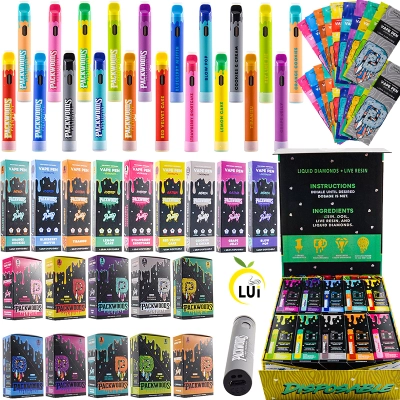
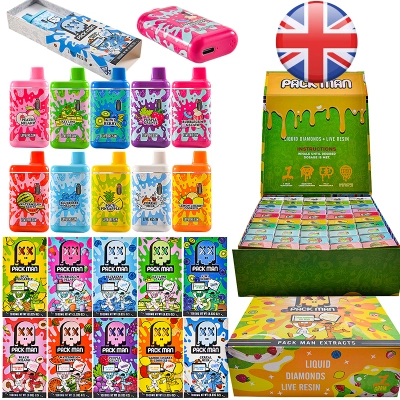
Start with the packaging stack: unit → retail box → display box → master carton
Distributors think in “handling units,” not individual pieces. Your packaging stack should clearly define:
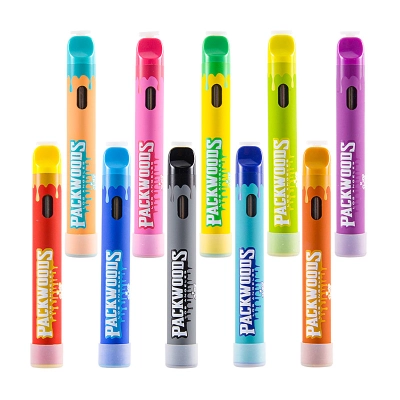
- Unit: the device (protected against scuffs and mouthpiece damage)
- Retail box: the individual consumer-facing package (barcodes, key info, authenticity tools)
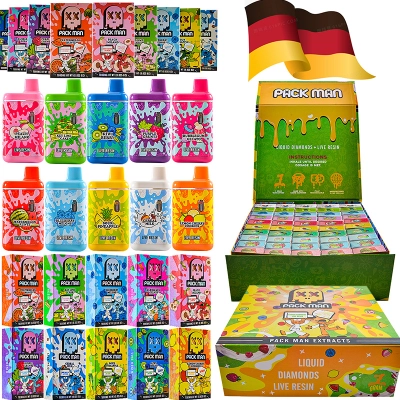
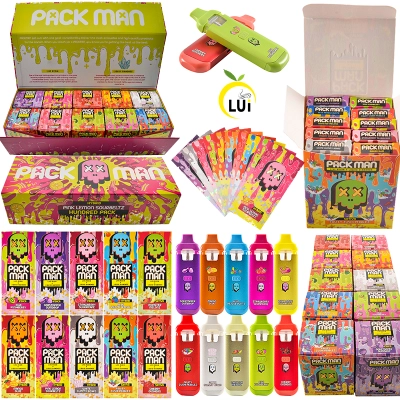
- Display box: a shelf-ready “tray” or presentation pack for quick merchandising
- Master carton: the receiving and pallet-building unit (labels, counts, lot control)
If your distributor buys by the assortment (multiple variants), the stack must prevent two failure modes: (1) mixed variants inside inner packs and (2) crushed retail boxes from loose packing.
For sourcing teams who want to compare options across the brand’s device listings, use the category hub grab and dab disposable vape to align on SKUs before you lock packaging.
Inserts: protection first, then retail communication
Insert type 1: protective inserts (stop movement, protect mouthpieces)
A protective insert is the cheapest way to prevent the most common transit damage: bent mouthpieces, scuffed shells, and crushed retail boxes. Your job is to eliminate “free space” so the product can’t build momentum inside the box.
Practical options distributors like:
- Die-cut paperboard (cost-effective, printable, recyclable)
- Molded pulp (good for protection, sustainability story)
- Thin EVA/foam pads (strong protection, but test for scuff risk)
Rule of thumb: if an insert touches a printed area, you must test for rub marks and ink transfer in a short vibration simulation. “Looks fine on the factory table” is not a transit test.
Insert type 2: verification inserts (stickers, tamper cues, lot clarity)
Many distributor channels need some form of verification cue—especially when retailers are worried about returns, counterfeits, or mismatched variants. Your insert strategy can include:
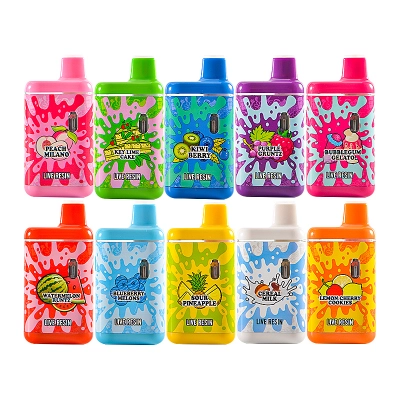
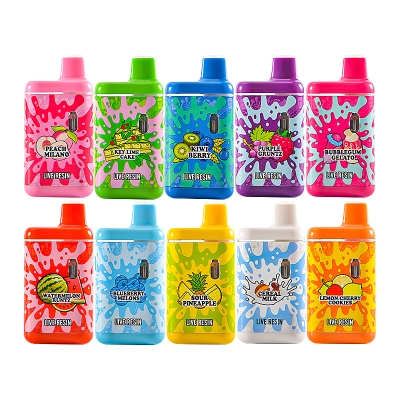
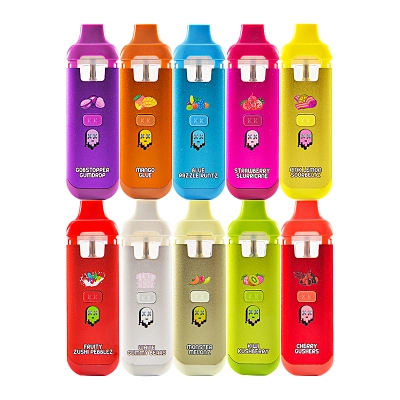
- Variant sticker: quick visual confirmation for warehouse pickers (color + code)
- Lot/traceability cue: a human-readable lot or batch reference tied to the master carton label
- Tamper cue: simple seals that make obvious when a retail box was opened in transit
If your program includes custom printing, sticker sets, or packaging variants across multiple lanes, map it in a repeatable way. A useful internal reference is the custom logo roadmap, because packaging MOQs and print timelines directly affect what distributors can reorder on schedule.
Insert type 3: retail communication inserts (keep it minimal)
Distributors prefer packaging that is self-explanatory. If you add informational inserts, keep them short and functional:
- What the product is (avoid over-claiming)
- Basic handling (storage, keep dry, avoid heat)
- Customer service contact path (for legitimate returns)
If your insert becomes a mini brochure, you increase packing errors and slow down assembly. Keep the message clean and let the box do the talking.
QR zones: separate “scan for operations” from “scan for consumers”
The #1 QR mistake in distributor packaging is trying to make one QR do everything. In retail operations, you have two different jobs:
- Operational scan: receiving, picking, and POS-friendly scanning behavior
- Consumer engagement: product info, authenticity checks, promotions, or support flows
Zone A: Operational scan zone (near the barcode cluster)
Your operational QR should live in a consistent “barcode cluster” area of the retail box, where scanners expect it. Protect the code’s quiet zone (the empty margin around it) by keeping graphics and texture away from the code boundary.
- Keep contrast high (avoid glossy printing and busy backgrounds behind the symbol)
- Don’t crowd the code (leave a clean margin so scanners can lock on quickly)
- Place consistently across variants so warehouse teams don’t hunt for it
Zone B: Consumer engagement zone (front/side panel)
If you want a consumer-facing QR (help page, warranty registration, authenticity check), place it away from the operational barcode area—often on a side panel—so it doesn’t create scanning confusion for POS and doesn’t compete with the primary barcode cluster.
The most distributor-friendly approach is a two-QR strategy: one QR optimized for operations, and one QR optimized for consumers. This avoids clutter and keeps each scan purpose clear.
Practical QR checklist for retail boxes
- Same QR placement across every variant
- Quiet zone preserved (no borders, patterns, or text invading the margin)
- Printed test: scan on multiple phones and at least one retail scanner (if available)
- Moisture/abrasion check: wipe test to ensure print doesn’t smear
Carton layout: make it impossible to mis-pick
Carton layout is the difference between “nice packaging” and “scalable inventory.” Distributors want case packs that: (1) prevent damage, (2) prevent mixing variants, and (3) can be verified in seconds.
Inner pack rules (the fastest win)
- One variant per inner: do not mix variants in the same inner pack
- Short-side labels: labels visible in tight aisles without pulling the case
- Divider logic: enough structure to protect mouthpieces and screen windows (if applicable)
Master carton rules (the distributor standard)
Your master carton label should reserve space for: SKU, variant code, lot, carton number (e.g., CTN 3/20), and scan-ready barcodes. When that “label real estate” is planned, receiving becomes fast and disputes drop.
For a proven structure (including “one variant per inner” and standardized carton counting), borrow the approach documented in the carton logic guide and adapt it to Grab & Dab.
Carton layout template (copy/paste)
| Layer | Must include | Purpose |
|---|---|---|
| Inner pack | Variant code + short-side label + divider protection | Fast picks, no mixing, less damage |
| Master carton | SKU + lot + CTN x/y + scannable code | Fast receiving, traceability, dispute reduction |
| Pallet (optional) | Pallet label + carton count + destination | Dock efficiency, fewer receiving errors |
Shipping windows: packaging must survive your real transit lane
Packaging design should match your actual shipping lane. The same retail box that survives local courier delivery may fail under long-haul freight vibration. Always test packaging the way it will be shipped: in masters, stacked, with realistic void fill and edge protection.
If your program splits between China fulfillment and US warehouse fulfillment, your shipping timeline and handling will differ. For internal planning, keep a link to About Shipping inside your SOP so purchasing, sales, and warehouse teams align on processing + tracking expectations.
- Transit vibration is cumulative — carton dividers matter more than most teams expect
- Moisture happens — choose inks and coatings that don’t smear under light abrasion
- Edge crush happens — corner protection often saves more boxes than “stronger paper”
Distributor-ready packaging checklist (final pass)
- Inserts: product immobilized, mouthpiece protected, no scuff transfer
- Verification: variant stickers + lot clarity; tamper cues if required
- QR zones: operational scan QR near barcode cluster; consumer QR separated
- Carton layout: one variant per inner; master labels built for receiving speed
- Proof test: scan tests + short vibration test + stacked carton check
Do these five things and you’ll feel the difference immediately: fewer pick errors, fewer damaged boxes, faster receiving, and cleaner reorder conversations with distributors.
0 Comments