
Custom Logo Empty Devices: Design, Print and MOQ Roadmap for New Brands
For a new vape brand, the first contact between your story and the consumer is often the device in their hand. Even when you are only sourcing empty devices with no oil, nicotine or THC, the shell is a powerful brand surface. A clear roadmap for custom logo design, printing, and minimum order quantities (MOQs) helps you launch professionally, instead of feeling your way through one quote at a time.
As a factory-backed supplier that focuses on empty hardware and custom projects, Lueciga is frequently asked the same questions: “Which device body should I start from?”, “What logo files do you need?”, “What’s the MOQ for custom print versus blank stock?” This guide walks new brands through those decisions step by step, using the empty disposable vape lines as a reference point.
1. Start with the right empty device platform
Your logo will only look as good as the hardware silhouette underneath it. Before talking about colors and fonts, choose the platform that really fits your brand:
- Capacity and battery: 1 g, 2 g or 3 g formats signal different price points and use cases.
- Body shape: slim pen, squared bar, compact box or screen-equipped AIO all tell a different brand story.
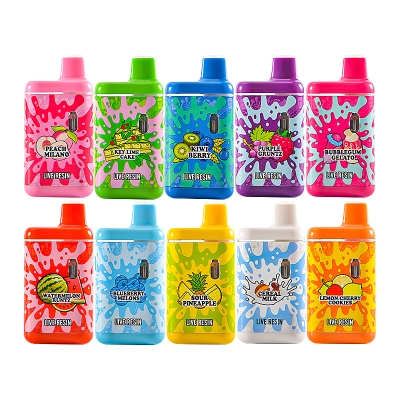
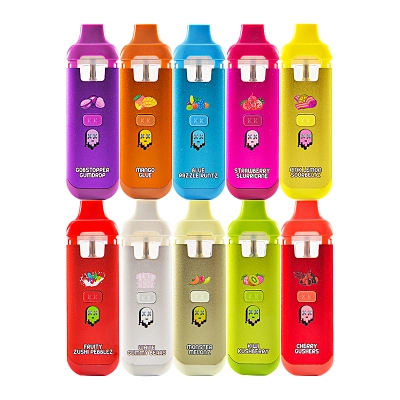
- Finish options: soft-touch, matte, gloss and metallic finishes change how your logo feels in the hand.
- Technical baseline: coil resistance, inlet size and USB-C charging are chosen up front and then locked.
Browsing a curated category like Lueciga’s empty disposable vape range makes this easier: you can shortlist 2–3 shells that match your budget and positioning, then move on to branding.
2. Preparing logo files and brand assets correctly
Once you have chosen a device platform, the next bottleneck is usually artwork. To avoid delays and costly redesigns, new brands should follow three basic rules:
- Work in vector: provide logos as AI, EPS or high-quality SVG files, not low-resolution PNG screenshots.
- Define colors: share Pantone or CMYK values for each brand color so the factory can match ink or UV print.
- Respect print limits: ultra-thin lines or micro text may disappear on curved surfaces, so keep important strokes and type above the factory’s minimum line width.
It is also smart to prepare a simple brand mini-guide: primary logo, secondary mark, approved background colors and “do not use” examples. That gives the production artwork team clear boundaries and reduces back-and-forth.
3. Choosing the right printing and finish options
There is no single “best” printing method for every custom logo project. The right choice depends on the shell material, order size and desired effect:
- Screen printing: ideal for solid spot colors and medium MOQs. Great for bold, simple marks and text.
- UV digital printing: better for gradients, photos or fine detail, typically at a slightly higher unit cost.
- Pad printing: useful for small logos on curved surfaces, such as rounded mouthpieces or buttons.
- Laser engraving: permanent, premium look on metal components, often combined with painted body colors.
New brands usually start with screen or UV printing on a proven empty disposable vape shell, then add more complex processes like metallic foils or multi-layer effects once sales volume is stable.
4. Understanding MOQs and price breaks for custom projects
Custom logo work always introduces MOQs beyond the base hardware. You are not only buying empty devices; you are also funding setup for plates, inks and print runs. A realistic roadmap usually has three layers of quantity:
- Hardware MOQ: the minimum run for the chosen device shell (for example 500–1000 pieces).
- Print MOQ: the minimum number of bodies that can be economically printed in one design and color set.
- Packaging MOQ: if you want custom cartons or display boxes, printers will have their own minimums.
Many factories publish tiered pricing on product pages, showing lower unit cost at 500+, 1000+, 2000+ pieces and so on. As a new brand, it’s worth modelling how much budget you can allocate to that first fully branded batch versus starting with semi-custom stock from categories like Disposable Vape Stock In USA, which may have shorter lead times for test markets.
5. Sample, proof and pre-production (PP) workflow
To avoid surprises, treat your custom logo project like any other industrial product and insist on a structured proofing flow:
- Step 1 – Digital mockups: the design team places your logo and colors onto device renderings for review.
- Step 2 – Flat print proof: a print layout or film showing exactly how the logo will appear at real size.
- Step 3 – Pre-production samples: a small batch of fully assembled, printed empty devices to check color, registration and overall look before mass production.
During PP review, check both the aesthetic and the basics: logo sharpness, alignment from all angles, legibility of any compliance text, and consistency between shells, mouthpieces and possible indicator LEDs.
6. Timeline roadmap from brief to first shipment
Every project is unique, but most custom logo empty device launches follow a rhythm like this:
- Brand brief and shell selection (3–7 days): choose your base device from an established empty disposable family and confirm specs.
- Artwork preparation and approval (5–10 days): finalize vector logos, mockups and print positions.
- PP sample production and shipping (10–20 days): including transit time for physical samples.
- Mass production (15–30 days): depending on total quantity and whether packaging is also custom.
- Logistics (varies): sea, air or mixed routes to your destination warehouse or 3PL.
Building this into your launch calendar keeps sales, marketing and operations aligned, rather than rushing logo decisions at the last minute.
7. Using Lueciga resources as a new brand
Lueciga’s catalog is designed to support this whole journey. New brands can:
- Use category pages like empty disposable vape to compare form factors, capacities and finishes side by side.
- Study US-stock options via Disposable Vape Stock In USA when they need faster replenishment or test runs in specific regions.
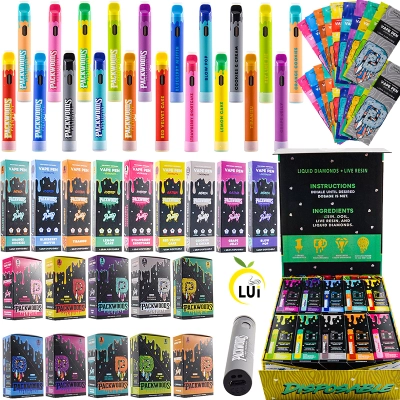
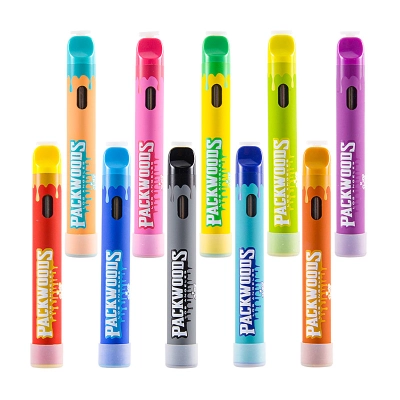
- Read brand-focused blogs such as Discover Packwoods: Premium Cannabis Vapes Redefined to see how established names use shell design and graphics to communicate identity.
Together, these resources help you avoid treating custom logo work as a one-off print job and instead build a repeatable, scalable branding system across your empty device portfolio.
8. Final checklist for your custom logo roadmap
Before you lock your next purchase order, run through this quick list:
- Have you picked a device shell that truly matches your positioning and budget?
- Are your logo files in clean vector format with defined color values?
- Do you understand the printing method, finish and any limitations on detail or coverage?
- Are hardware, print and packaging MOQs all clear and reflected in your cost model?
- Have you reviewed PP samples and signed off on a standard that can be repeated next season?
With those pieces in place, a custom logo empty device stops being a risky experiment and becomes a structured, predictable investment in your brand. You give partners and distributors hardware that looks as serious as your business plan – and you do it with a roadmap you can refine with every new launch.
0 Comments