
Jeeter V2 Empty Shell: Flavor Mapping, Batch Control & Carton Logic
Hardware-only notice: This article covers empty hardware shells (no oil, no nicotine, no THC). All references to “flavor” describe artwork/label variants for B2B picking and packaging—not filled consumables.
Why flavor mapping matters for V2 empty shells
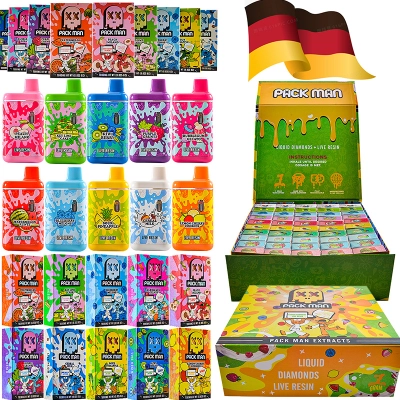
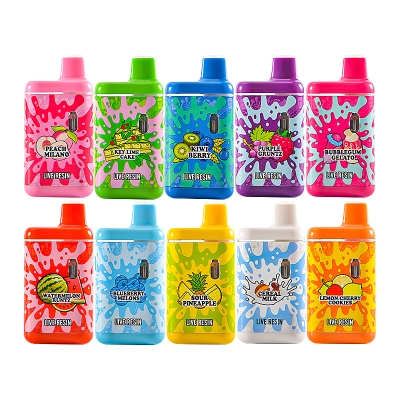
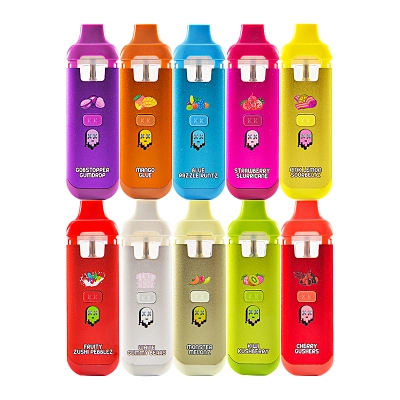
For distributors and private-label programs, “flavor” on an empty device shell is an identification layer—a way to map artwork, color rings, or iconography to unique SKUs. The practical goal is operational: accelerate picking, minimize mis-packs, and keep visual variants perfectly aligned with the purchase order. If you are ranging categories like Jeeter Juice or specific jeeter juice disposable shells, your team needs a consistent, machine-readable flavor matrix that mirrors what customers expect to receive.
A robust flavor map includes: (1) the commercial name (e.g., “Peach Rings”), (2) a standardized short code (e.g., PR), (3) the artwork hash/ID, and (4) the related carton label. This four-point system ties the visual asset to the physical packaging so a barcode or lot label can unambiguously confirm the variant during intake and outbound scans.
Batch control: from inbound QA to outbound verification
Batch IDs do more than date-stamp. They connect a production run to specific tolerances (fit of mouthpiece, gasket compression, thread and seal integrity, LED window placement) and to the exact artwork set used in that run. Implementing an ISO 2859-1 style sampling plan gives procurement and QA a shared language for acceptance criteria, while GS1-compliant barcodes on inner boxes keep the lot traceable through 3PLs and cross-docks.
- Inbound: Scan carton → verify SKU + lot → random-check AQL for cosmetics and assembly fit.
- Putaway: Slot by flavor code, not just by generic model, to avoid cross-variant mixing.
- Outbound: Pick-to-light or scan-to-verify against PO flavor codes before sealing master cartons.
Tip: Keep the flavor short code on both unit shell and inner tray. When the tray is removed from master cartons, your team still has a visible code to confirm picks.
Carton logic that prevents mis-picks and transit damage
Empty shells include electronics and should be treated as delicate components. Two principles govern carton logic for Jeeter V2 shells: segregation of variants (no mixed flavors per inner box) and transport resilience (ISTA 3A-style drop and vibration thinking when selecting dividers and fill).
- One flavor per inner: Never mix artwork variants inside a single inner box; use lot-level dividers and flavor-coded stickers on the short side of inners for faster scanning in tight aisles.
- Master cartooning: Standardize master carton counts (e.g., 10 inners × 50 pcs = 500 shells). Keep a flavor-color stripe on the master label to visually match PO lines during bulk picks.
- Edge protection & void fill: Choose inserts that immobilize shells and protect mouthpieces; verify that any cushioning does not scuff printed areas.
- Label real estate: Reserve space for SKU, flavor code, lot, carton #/total (like
CTN 3/20), and scan-ready GS1 barcodes.
For 3PL workflows, align carton logic with WMS rules: slot by flavor code, enforce FIFO by lot, and require scan confirmation at both pick and pack stations. If your catalog spans classic Jeeter artwork and newer V2 trims, maintain separate flavor maps per generation—don’t let legacy codes leak into new V2 trays.
Artwork–hardware sync: how to keep visual accuracy at scale
Visual mismatches (e.g., a “Grape” shell shipped in a “Mango” tray) are the #1 cause of returns in empty-shell wholesale. Avoid this by binding artwork IDs to both the CAD bill of materials and the carton label. When a V2 shell’s light window or frame color changes with a revision, assign a new artwork ID and roll a new lot code. Your POs can then require the exact artwork ID at confirmation, eliminating ambiguous “close enough” picks.
If your assortment includes different Jeeter families, link out to your own catalog segments so buyers can self-validate specifications mid-read—e.g., a quick hop to Jeeter V2 empty shell or specific jeeter juice disposable shells to confirm mouthpiece shape, LED window, and carton counts.
QC checklist you can copy
- Artwork ID matches flavor name and short code on inner and master labels.
- Lot/batch printed and scannable; sample rate aligns with your AQL plan.
- Mouthpiece fit secure; gaskets seated; no cosmetic scuffs on printed zones.
- LED window alignment consistent across the sampled set.
- Carton counts correct; inners use dividers; no mixed-flavor inners.
- GS1 barcode validates SKU + lot; WMS receives and picks by flavor code.
Compliance note: Even as empty shells, cartons should follow safe transport practices. If the design includes rechargeable components, reference lithium battery shipping guidance and lab test reports during vendor onboarding.
Bringing it all together
A precise flavor map, disciplined batch control, and resilient carton logic transform Jeeter V2 empty shells from “nice designs” into reliable, scalable inventory units. By elevating the metadata around each variant—codes, artwork IDs, lot labels, and carton layouts—you reduce returns, accelerate picks, and make your wholesale partners’ lives easier. As your line grows, keep the matrix living: retire codes cleanly, document revisions, and keep your catalog pages like Jeeter Juice current so buyers can self-serve specs before they place volume orders.
0 Comments