
Gen 3 Retail-Ready Packaging: Inserts, QR Zones & Carton Layout for Distributors
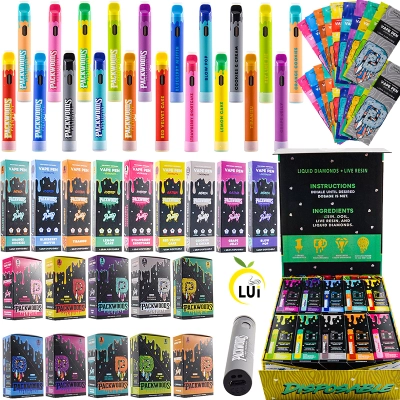
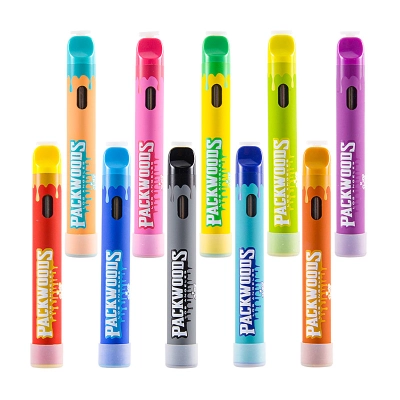
Retail-ready packaging is no longer a finishing touch added after the hardware decision has already been made. For distributors and OEM buyers, packaging now plays a direct role in receiving efficiency, shelf presentation, scan reliability, warranty handling, and repeat-order confidence. A modern Gen 3 empty hardware program needs a packaging system that protects the unit, supports clean labeling workflows, and reduces friction from warehouse intake to final retail display. Teams reviewing a broader 2g disposable vape pen assortment should treat inserts, QR placement, and carton structure as part of the hardware platform rather than as optional artwork details.
The reason is simple. Many product issues that appear to be “device problems” are actually packaging problems in disguise. Loose inserts allow movement in transit. Poor carton proportions create corner crush. Misplaced scan zones slow verification. Overdesigned inner trays damage throughput because staff have to fight the packaging just to inspect the item. For wholesale operations, that means packaging is not only about aesthetics; it is about speed, accountability, and lower preventable returns.
1. Start with a packaging brief, not just a box dieline
Before artwork begins, distributors should define a packaging brief that connects sales goals with operations goals. The brief should identify target channel, display orientation, carton count, scan needs, insert type, tamper expectations, and the level of cosmetic protection required for the shell finish. Premium finishes, glossy coatings, soft-touch surfaces, and large windows may look attractive in a rendering, but they often create trade-offs in scuff resistance, packing speed, and edge durability. That is why packaging decisions should be reviewed alongside your broader 2g vs 3g empty vape hardware strategy, especially if your team sells across multiple capacity classes or mixed retail environments.
A strong brief should answer four operational questions. First, how much movement is acceptable inside the primary carton? Second, what information must be visible without opening the box? Third, where will staff scan, verify, or batch-count the product during receiving? Fourth, how much abuse is realistic during freight, pick-and-pack, and retail handling? If those questions are answered first, your packaging layout becomes easier to standardize and much easier to approve across future SKUs.
2. Insert design should protect the unit and support fast handling
The insert is usually the most underestimated component in a retail-ready package. In practice, it decides whether the unit arrives centered, scratched, rattling, or presentation-ready. A good insert should immobilize the device without over-compressing the mouthpiece, body, or charging-end geometry. It should also allow staff to remove the unit quickly during inspection and re-seat it without damaging the printed carton.
For distributors, the most practical insert question is not “foam or paperboard?” but “what handling problem are we solving?” Paperboard inserts are often easier to scale and align with simpler assembly lines. Molded trays can improve repeatable positioning. Foam can protect premium finishes but may introduce lint, static, or a higher perceived waste profile if not specified carefully. If your operation values speed, choose an insert structure that supports one-motion removal and one-motion return. If your operation values premium presentation, make sure the visual experience does not come at the cost of poor re-pack efficiency during QC checks.
Insert tolerances matter too. If the fit is too loose, the device will shift in transit. If the fit is too tight, unpacking becomes awkward and staff may bend panels, tear flaps, or press against sensitive areas of the shell. The best insert design is one that protects the unit, centers the face panel, and still works at warehouse speed.
3. QR zones should be planned as functional scan areas
QR codes should not be treated as decorative add-ons placed wherever there is leftover white space. In a distributor workflow, the QR zone is a functional scan area. It needs a predictable surface, enough contrast, consistent orientation, and distance from busy graphics that may interfere with quick scanning. If the package also includes a linear barcode, both codes should be grouped logically so staff do not waste time searching different sides of the carton during receiving or retail setup.
The most effective packaging teams designate a “verification side” of the carton. That side becomes the home for QR, batch-identification logic, and other machine-readable elements that need fast access. Keeping verification on one side reduces scanning errors, improves training for warehouse staff, and helps distributors maintain a consistent receiving SOP across multiple SKUs. It also makes photo-based claim documentation easier when a shipment issue appears later.
Another common mistake is placing the QR code too close to folds, varnish-heavy artwork, embossed areas, or edges. Even when the artwork file looks clean on screen, physical packaging behaves differently after printing, folding, and compression. Leave clean surrounding space, keep the code on a stable printable panel, and make sure the scan area still works after cartons are packed tightly into master cases.
4. Carton layout should serve both retail display and warehouse logic
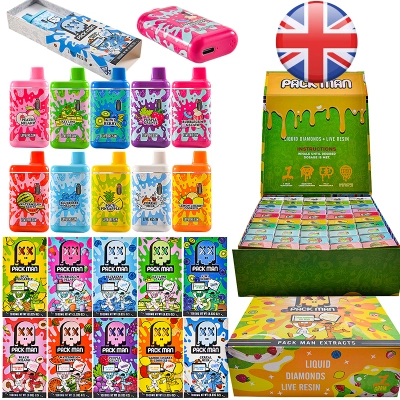
A retail-ready carton needs two kinds of discipline: front-of-pack discipline and warehouse discipline. Front-of-pack discipline focuses on clarity, visual hierarchy, and shelf impact. Warehouse discipline focuses on orientation, counts, labels, and repeatable handling. The best carton layout does both. It presents a clean front panel while reserving one or two predictable panels for verification, inner-case marking, and downstream operations.
Distributors should define which panel is the “brand face,” which panel is the “verification face,” and which panel carries case-packing references. This prevents a common problem in wholesale programs: every new SKU uses a slightly different information layout, and the receiving team loses time adapting to each one. Standardization is not glamorous, but it is one of the strongest ways to reduce avoidable labor cost.
Master carton planning matters just as much. The retail carton can be perfect on its own and still fail in real distribution if the outer case does not control movement, corner pressure, or label visibility. Outer cartons should preserve inner-carton orientation, support quick counting, and prevent mixed presentation damage. If you are building a scalable packaging workflow, your product carton and your master carton should be reviewed together, not separately.
5. A practical distributor checklist before sign-off
Before approving final packaging, ask your team to run a simple, repeatable sign-off checklist. Can the unit be removed and returned without damaging the box? Does the insert hold the device securely after a shake test? Is the QR area easy to find and easy to scan? Are all machine-readable elements on consistent panels? Does the carton survive case packing without crushing key display surfaces? Can receiving staff photograph defects and lot references quickly? If the answer to any of these is no, the packaging is not retail-ready yet.
It also helps to compare packaging approval with your broader empty disposable vape hardware in bulk workflow. Packaging should support the same operational goals as the device itself: lower damage rates, faster intake, cleaner presentation, and fewer preventable claims. That is the real benchmark for retail-readiness.
6. Final takeaway
Gen 3 retail-ready packaging succeeds when it works as a system. The insert keeps the device stable. The QR zone creates a predictable verification point. The carton layout supports shelf presentation without sacrificing scan speed or warehouse usability. For distributors, that combination is more valuable than elaborate decoration or overbuilt packaging that looks premium but slows operations. In the long run, the best packaging is the one that protects the hardware, simplifies handling, and stays consistent across repeat orders.
0 Comments