
ACE Ultra Pack Man (2025): B2B Guide to Buying Empty Disposable Vape Hardware in Bulk
This guide is for distributors, procurement teams, and brand operators sourcing empty disposable hardware at scale. The focus is not hype—it’s repeatability: stable specs, clear documentation, and receiving-QC that protects margin.
1) What “ACE Ultra Pack Man” means for B2B buyers
Bulk success is consistency, not just inventory
In 2025, “bulk” buyers are rarely just hunting a cheap unit price. They’re trying to protect downstream costs: warehouse labor, replacements, returns, customer tickets, and lost accounts. An “ACE Ultra Pack Man” purchase is successful when the hardware behaves the same across lots—Month-12 looks like Month-1.
Make product navigation frictionless (so buyers don’t guess)
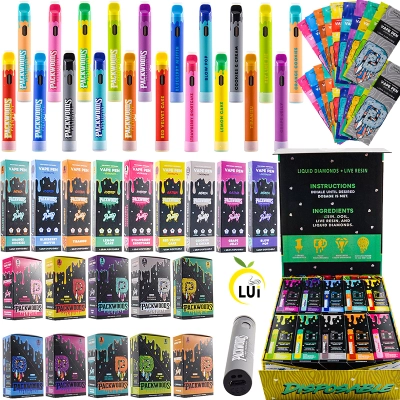
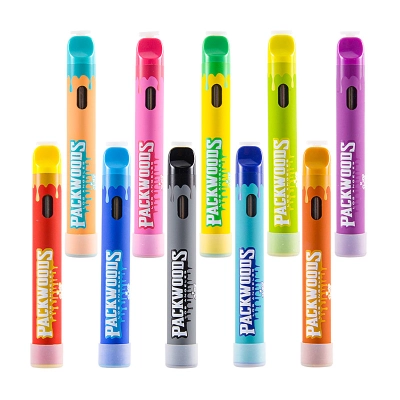
Start your internal buyer journey with the correct category pages. For family-level browsing use ace packman, then move buyers into the dedicated disposable view via ace packman disposable. When capacity questions come up (and they always do), a single internal explainer page helps prevent confused RFQs and wrong orders—reference 2 gram disposable vapes so procurement, sales, and customers share the same definition of “2g” as a hardware capacity format.
2) Build a stable platform (spec freeze before you chase price)
Define your non-negotiables
Bulk orders are won or lost in the spec baseline. Before you negotiate price tiers, write the platform definition that every lot must match. This is how you stop “same SKU name, different behavior” problems that appear after a supplier silently swaps subcomponents.
Spec areas that should be locked for empty disposables
- Enclosure + ergonomics: mouthpiece geometry, seam placement, button/screen windows (if any), labeling areas.
- Airflow architecture: inlet path and draw feel targets; avoid uncontrolled variance between lots.
- Electrical behavior: charging stability, port fit, and protection behavior under normal handling.
- Tank + sealing surfaces: gasket materials and leak resistance under vibration and temperature swings.
- Assembly sensitivity: where torque, press-fit, or adhesives cause downstream failure if not controlled.
- Packaging configuration: inner pack, master case, pallet pattern, and label formats (barcodes/lot IDs).
Use “golden unit + approved photos” as the baseline
The simplest way to control drift is to approve one “golden unit” and a photo pack (close-ups of port, mouthpiece, seams, and label zones). Every production lot is compared against that reference. If it doesn’t match, it’s a change request—never an assumption.
Tip: If you’re comparing variants, separate “family page” browsing from “capacity page” browsing. For example, keep the 2g-specific purchasing discussion tied to Ace packman 2 gram disposable and ace packman 2g so your RFQ fields stay aligned to the exact capacity class.
3) Supplier verification that reduces “spec drift”
Verify who controls the bill of materials (BOM)
Many B2B failures come from supply chains where the “seller” doesn’t control the BOM, the assembly line, or the packaging line. Your goal is to confirm who owns the decisions that impact lot-to-lot stability. If the seller can’t answer basic questions about change control, you should assume drift will happen.
What to ask before sending a PO
- Change control: How are component substitutions handled (port, seals, internal parts)? Is buyer approval required?
- Lot identification: How is each production lot labeled and traceable through cartons and master cases?
- Sampling plan: What is the seller’s outgoing inspection plan—and can you align it with your receiving QC?
- Defect policy: What is the dispute window and evidence standard (photos, lot labels, defect logs)?
- Packaging ownership: Who specifies master case strength, inserts, and corner protection for transit?
Why “spec drift” happens (and how to prevent it)
Drift usually shows up as small changes that feel harmless: a slightly different port, a different gasket batch, a new adhesive, a new airflow insert. In bulk, small changes become large costs. Prevent it with one rule: no substitutions without written approval, and every approval references the golden unit and the latest spec sheet.
4) Receiving-QC gates: approve/reject using measurable signals
QC should protect margin, not create busywork
A good receiving workflow is fast and decisive. You don’t need to test everything—just the failure modes that create returns and reputational damage. Below is a practical gate system that many B2B teams use to keep inbound decisions consistent across warehouses.
| Gate | What you check | Pass/Fail examples |
|---|---|---|
| Gate A: Carton & label audit | Carton condition, lot ID presence, SKU match, count match | Fail if labels missing / mixed SKUs / crushing indicates transit risk |
| Gate B: Cosmetic & assembly screen | Seams, mouthpiece fit, port alignment, cracks, loose parts | Fail if crack rate or misalignment clusters suggest assembly drift |
| Gate C: Electrical sanity check | USB-C fit, stable charging initiation, no overheating signs | Fail if ports are loose or charge behavior is inconsistent |
| Gate D: Function sampling | Draw consistency, airflow noise, button/screen behavior (if applicable) | Fail if draw varies widely unit-to-unit within the sample |
| Gate E: Packaging resilience | Inner pack integrity, inserts, corner protection, scuff/impact evidence | Fail if damage patterns predict returns after outbound shipping |
Track 5 simple KPIs per lot
- Sellable yield: (received units − rejects) / received units
- Port defect rate: loose/misaligned ports per sample
- Assembly variance: seam gaps, mouthpiece wobble, rattles
- Consistency score: “tight/normal/loose” draw counts across sample
- Transit damage: crushed corners, insert failures, scuff clusters
The goal is not perfect numbers—it’s trend detection. If one warehouse sees a spike, you want to isolate the lot and pause reorders until the cause is understood.
5) Documentation pack: what to request and why it matters
Battery transport references (essential for real-world shipping)
Even when devices are empty, they include batteries and electronics. Your documentation pack should be ready for logistics partners and compliance checks. Start with lithium battery transport references and keep them retrievable by lot or shipment:
- PHMSA: Transporting Lithium Batteries (overview)
- PHMSA: UN 38.3 test summary guidance
- UNECE: UN Manual of Tests and Criteria (UN 38.3 framework)
- IATA: Lithium Battery Guidance (PDF)
Electrical safety frameworks (useful for vendor conversations)
- UL 8139: E-cig / vaping device electrical system testing
- IEC 62133-2: Portable sealed secondary lithium battery safety
Packaging test references (often the difference between profit and returns)
If a supplier can’t provide a coherent documentation set, assume future problems: delayed customs, re-routing costs, or warehouse holds.
6) Packaging + logistics: where hidden losses usually happen
Master case design is a margin lever
Hardware can pass factory QC and still fail in transit. Bulk buyers should define packaging as part of the purchase, not as a “nice-to-have.” Specify inner pack spacing, inserts, corner protection, carton burst strength expectations, and pallet patterns. If you ship to multiple warehouses, standardize the case pack so receiving is fast and consistent.
Plan for warehouse reality
- Label format: SKU + lot ID should be readable without opening cartons
- Mixed-SKU prevention: one master case = one SKU (unless you explicitly approve assortments)
- Damage evidence: require photos of pallet wrap and carton corners before unloading
- Dispute window: define it in the PO, including evidence requirements
When teams ignore packaging, they end up blaming “device quality” for what is actually a logistics failure. Fixing packaging often produces the fastest measurable improvement in sellable yield.
7) RFQ template: fields that prevent misunderstandings
Use this RFQ structure so quotes are comparable and reorders remain identical:
- Product reference: SKU name + link + golden unit photos
- Capacity class: confirm the exact platform (2g vs other) and related enclosure constraints
- Electrical behavior: charging interface, fit expectations, and protection features (high-level)
- Airflow target: define “tight/medium/loose” and what is acceptable variance
- Seal + assembly controls: gasket materials, torque/press-fit checkpoints
- Packaging spec: inner/outer pack, master case, pallet, labels
- Documentation: battery transport references + packaging test references
- Acceptance criteria: your reject thresholds + dispute process + replacement terms
- Lead time + MOQ: sample lead time, production lead time, reorder cadence
8) Scale plan: pilot, lock spec, then expand SKU count
Scale is a sequence, not a single PO
A disciplined scale plan usually looks like this: pilot order → receiving-QC data → corrective actions (if needed) → spec freeze → repeat order → then expand variants. This sequence prevents the most common bulk-buyer failure: doubling volume before the platform is proven stable.
When to expand into variants
Expand only after two clean lots with stable KPIs (sellable yield and low variance). If you must expand sooner, isolate variants by lot and warehouse so you can trace issues quickly without contaminating your entire inventory pool.
9) Quick FAQ
What’s the safest way to buy ACE Ultra Pack Man hardware in bulk?
Treat it like a controlled component: approve a golden unit, lock the spec sheet, require lot IDs, and enforce receiving-QC gates. Bulk is safe when the supplier and your warehouse share the same pass/fail rules.
What causes most B2B losses?
Spec drift and transit damage. Drift creates inconsistent behavior and customer complaints; transit damage turns “good units” into returns. Both are preventable with documentation, packaging standards, and trend-based QC.
How many internal SKUs should I start with?
Start small: one proven platform, one or two packaging configurations, and a clear reorder cadence. Add more only after stable lots.




0 Comments