
Runtz 2g vape: Packaging & Carton Standards That Reduce Returns
Returns aren’t just a customer service issue — they’re a packaging and transit-performance problem. U.S. retail returns have been measured in the hundreds of billions of dollars annually, and even when your product is perfect, damage in transit can turn a “delivered” order into a chargeback, reship, or negative listing feedback. For wholesale buyers scaling listings in the runtz segment, the fastest way to reduce avoidable returns is to standardize packaging at three levels: the unit box, the inner carton, and the master shipper.
This guide focuses on durable, repeatable packaging for empty hardware shipments (no oil, no nicotine, no THC/CBD). We’ll translate transit test standards into practical carton specs that survive drops, vibration, compression, and “last-mile chaos” — especially for fragile features like screens, mouthpieces, and selector mechanisms.
1) Why “Packaging Standards” Matter More for 2g Class Devices
A 2g-class disposable format concentrates risk: heavier unit weight, longer transit cycles, and more feature density per device. When the device includes a window, display, or moving selector, the acceptable damage tolerance gets tighter. Consumer research regularly ranks “damaged goods” among top return reasons, and shipping damage is repeatedly cited as a driver of returns. That means your protective packaging is effectively a returns-control system, not a box.
2) The Transit Hazards You Must Design For
Parcel delivery systems expose packages to predictable stresses: repeated drops, random vibration, stacking compression, edge impacts, and temperature/pressure changes (especially for air legs). A widely referenced lab benchmark for parcel shipping simulation is ISTA Procedure 3A, a general simulation test for individual packaged-products shipped through a parcel delivery system (70 kg / 150 lb or less). Use it as your “performance target” when you want packaging that survives real-world handling rather than looking good only in a warehouse.
3) Your Packaging Stack: Unit Box → Inner Carton → Master Shipper
3.1 Unit Box (Retail-Ready Protection)
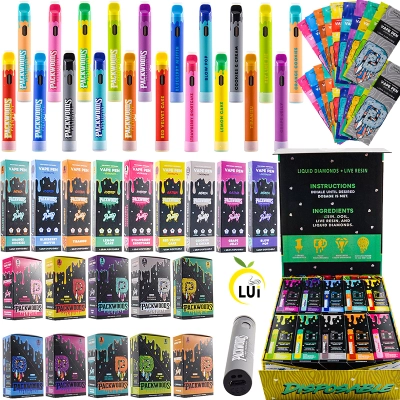
- Immobilize the device: Use a molded tray (pulp/PET/EVA) that locks the device at two points: mouthpiece end + base end.
- Protect the fragile face: If the device is a LED screen vape, add a screen window guard (recessed tray lip or protective film) so the screen never touches the carton wall.
- Control abrasion: Use a sleeve or bag to prevent rub marks on coatings and to keep dust off interfaces.
- Tamper evidence: Use a consistent seal label position so receiving can spot “reseal” attempts quickly.
3.2 Inner Carton (Operational Efficiency + Shock Buffer)
- Standard pack count: Choose a single inner-pack count that fits your pick/pack workflow (e.g., 10/20/25 units) and keep it stable across SKUs.
- Void-fill rules: Zero rattle. If you can shake the inner carton and hear movement, you will see corner damage and scuffs.
- Orientation control: Add “This Side Up” only when your tray actually relies on orientation; otherwise carriers may ignore it.
3.3 Master Shipper (Where Most Damage Happens)
- Double-wall corrugate when needed: If you’re shipping higher gross weight or longer-distance lanes, step up corrugate strength before you step up filler.
- Edge & corner reinforcement: Use corner posts or edge pads when you stack multiple inner cartons; most crush damage starts at corners.
- Seal integrity: Use reinforced tape and a consistent “H-tape” seal on top and bottom for repeatable closure strength.
4) Sealing, Cushioning, and “No-Rattle” Rules
The simplest packaging failures are still the most common: weak seals, reused cartons, and insufficient cushioning. Build a written standard that your team can audit in 30 seconds:
- New boxes for export lanes: Reused boxes lose strength and invite compression collapse.
- H-taping method: Tape the center seam and both edge seams (top and bottom). Do it the same way every time.
- Buffer zone: Keep a protective distance between product and outer walls — don’t let trays touch the shipper’s side panels.
- Drop-proof corners: Corners get hit first; reinforce corners before adding more filler.
5) Special Case: Selector Mechanisms and Dual-Chamber Builds
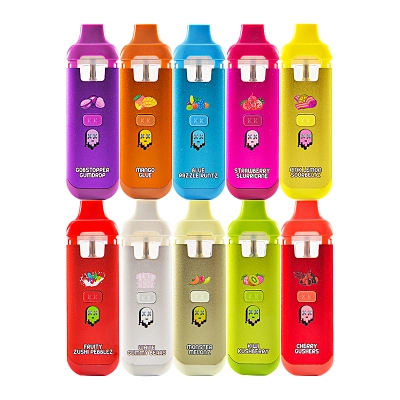
A dual chamber disposable has more internal structure and user-facing controls. Even if the device is empty hardware, selector interfaces can be vulnerable to side impacts that shift alignment or crack housings. Packaging standards for these SKUs should add two safeguards:
- Side-load resistance: Use a tray that supports the selector area with ribs or sidewalls, not just end caps.
- Anti-torque fit: The device should not be able to twist inside the tray; twist translates into selector stress.
6) Lithium Battery Documentation: Reduce Carrier Holds and “Return to Sender” Events
Many disposable-format devices include lithium batteries. Even when shipping empty hardware, documentation gaps can trigger carrier delays, refusals, or forced returns. In the U.S., PHMSA guidance explains that lithium batteries must be tested per UN Manual of Tests and Criteria subsection 38.3, and that lithium battery test summaries must be made available in the supply chain. For air legs, IATA guidance also emphasizes that batteries must be of a type that has successfully passed the UN 38.3 tests.
- Keep UN 38.3 test summaries accessible: Store them in a shared folder and reference them on your packing documents when required.
- Label consistency: Use a single label placement standard so warehouses don’t improvise.
- Lane-based SOP: Air vs ground vs sea lanes can trigger different checks; train for the strictest lane you use.
7) Carton-Level Standards That Directly Cut Returns
“Carton standards” become powerful when they’re measurable. Here are standards that can be audited and improved quarter by quarter:
- Transit-performance target: Design the master shipper to meet a parcel-simulation benchmark (e.g., ISTA 3A) using your actual packout.
- Compression discipline: Don’t stack beyond what your carton can tolerate; add a maximum stack height on the carton spec sheet.
- Drop + vibration mindset: Assume at least one corner drop and continuous vibration — design your tray and void-fill for that reality.
- Receiving-friendly labeling: Lot/batch labels outside + inside carton so receiving can reconcile quickly even if outer labels are damaged.
8) A Simple “Returns-Reduction” Packaging Checklist for Wholesale Operations
If you want a fast path to fewer returns, standardize these five items across every runtz disposable shipment before you optimize anything else:
- Unit tray locks device at both ends (no twist, no rattle).
- Screen devices have a recessed guard or protective film.
- Inner carton pack count is standardized and documented.
- Master shipper uses repeatable sealing (H-tape) and corner reinforcement.
- Battery compliance docs are ready for the lane (UN 38.3 test summary access).
9) Implementation Plan: Standardize in 30 Days
- Week 1: Audit your last 20 damage/return cases. Identify where damage starts (screen face, mouthpiece, selector, carton corners).
- Week 2: Freeze one unit tray spec per chassis and one inner-pack count.
- Week 3: Upgrade master shipper spec (corrugate strength, corner protection, seal method). Run a small pilot shipment.
- Week 4: Lock the SOP: photo packout guide, carton spec sheet, receiving checklist, and document storage for compliance.
If you want a broader operational reference for packaging discipline across lanes and suppliers, use this internal guide as a baseline: packaging and supply chain checklist.
Conclusion
The fastest way to reduce returns for runtz 2g vape shipments isn’t a new carrier or faster route — it’s standardized packaging that treats transit as a test environment. Build a three-layer packaging stack, protect the fragile features, seal cartons consistently, and keep battery compliance documentation ready. Once your baseline survives real-world drops and vibration, you can optimize cost, pack count, and speed without reintroducing damage.
References (External)
- NRF: Retail returns topped $850B in 2025
- Shorr 2025–2026 consumer returns survey (shipping damage + packaging findings)
- ISTA 3A preview (parcel simulation overview)
- PHMSA: Lithium battery test summaries (UN 38.3)
- IATA: Lithium battery air transport guidance (UN 38.3 reference)
- Google Search Central: Title links
- FedEx: How to pack and seal a shipment





0 Comments