
Raw Garden Vape Bulk: Packaging and Supply Chain Guide
Buying Raw Garden-branded vape formats in bulk is not just a pricing exercise—it’s an operations decision that touches labeling, packout, warehouse handling, and customer trust. Whether you are a distributor, retailer, brand operator, or a licensed packager managing inbound inventory, your “real margin” often depends on how well you control packaging consistency and supply chain execution.
If you’re evaluating product families on Lueciga, start with the Raw Garden category to map available SKUs and variants, then work backward into a packaging and logistics plan that protects the product and reduces claims, returns, and rework.
1) Bulk-ready packaging: think in three layers
Layer 1: Primary pack (device protection + presentation)
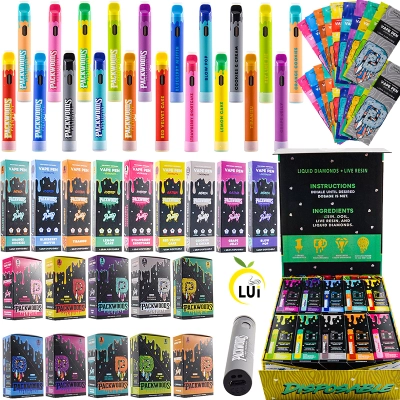
In bulk programs, primary packaging is your first line of defense against damage, contamination, and tampering. For vape devices, primary packs should protect mouthpiece openings, prevent button/auto-draw misfires during transport, and keep the device stable (no rattling). Practical features include fitted inserts, dust caps, and sealed inner bags when appropriate.
Layer 2: Retail unit carton (label accuracy + scan-ability)
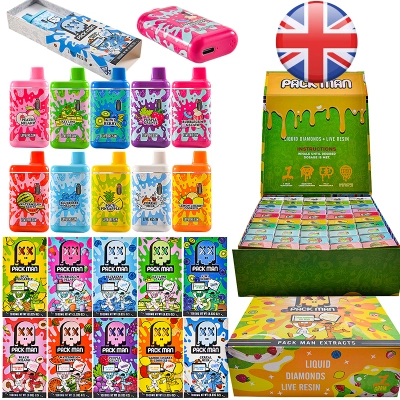
The unit carton is where supply chain errors become visible: mismatched variants, missing identifiers, or unclear batch information are the most common root causes behind receiving delays and customer disputes. A bulk-friendly unit carton should have:
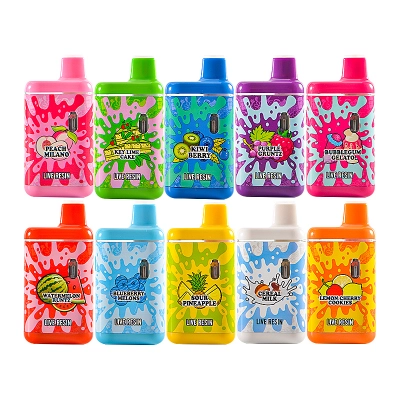
- Clear SKU/variant labeling (format, capacity, flavor where applicable)
- Lot/batch coding for traceability and claims handling
- Scannable barcode area with adequate quiet zones and consistent placement
- Regulatory label space for jurisdiction-specific warnings and symbols
Layer 3: Master carton / shipper (warehouse efficiency)
Your master carton design determines receiving speed, pick accuracy, and damage rates. Standardize carton counts (e.g., 10, 20, 50 units) and print carton-level identifiers that match your WMS fields (SKU, quantity, lot, and destination warehouse). Reinforced corners, edge crush strength, and consistent inner dividers matter more than “premium looks” at this layer.
2) Traceability that survives real warehouse life
Lot codes: small detail, big payoff
Lot coding enables targeted quarantines and reduces the blast radius of any defect or compliance issue. Put lot codes where they won’t be rubbed off during handling—avoid low-adhesion stickers on high-friction edges. If you run multiple warehouses, align lot format across sites (date + line + shift, or vendor lot + internal lot mapping).
Barcode discipline: “scan-first” packaging
Bulk buyers win when receiving teams can scan without guesswork. Choose a barcode format that your downstream systems accept, keep print contrast high, and avoid placing codes over folds or curved surfaces. If you sell to multiple channels, consider carton-level labels that mirror unit-level identifiers to reduce relabeling and mis-picks.
3) Supply chain checks that prevent expensive surprises
Inbound QC: validate before it hits sellable inventory
The most efficient bulk operations treat receiving as a quality gate. At minimum, your inbound check should confirm: correct SKU/variant, packaging integrity, barcode readability, device physical condition, and carton count accuracy. For higher-volume programs, apply acceptance sampling (AQL-style) so inspections scale without slowing throughput.
Functional risk areas: clogs, leaks, and power consistency
Even when hardware looks perfect, performance complaints often come from a handful of failure modes: airflow restriction, mouthpiece condensation, connector misalignment (for carts), or inconsistent power delivery. If your business model includes filling/packing, define a simple “fit-for-process” test plan (dimensions, sealing, and basic electrical/charging checks where applicable).
4) Inventory strategy: reduce aging, shrink, and write-offs
Storage conditions and rotation
Temperature swings and long dwell time amplify packaging stress and product variability. Use stable storage conditions and apply FIFO/FEFO rotation rules. For multi-warehouse networks, transfer stock proactively rather than letting a slow-moving SKU age into discount territory.
Pick-pack design: make the “right thing” the easy thing
In bulk fulfillment, most errors are preventable with layout and labeling. Use distinct bin locations for close variants, keep carton labels forward-facing, and build a scan step into picking and packing. A simple scan discipline cuts mis-ship rates dramatically.
5) Choosing formats: disposables vs cartridges in bulk programs
When disposables make sense
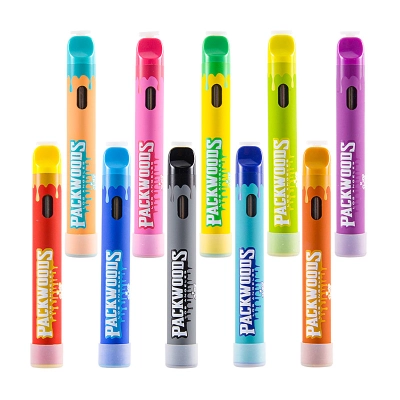
Disposables are operationally simple at the point of sale—no separate battery, no compatibility questions. They’re popular for fast turns, but they require strong packaging discipline because the device is the product. If you’re comparing options, review the Raw Garden disposable listings and standardize packaging and carton counts to keep receiving and replenishment clean.
When cartridges make sense
Cartridge programs tend to be more modular and can reduce waste in some setups, but they increase compatibility considerations and can raise customer support needs. For bulk buyers, the key is consistency: connector fit, oil path sealing, and packaging that prevents mouthpiece contamination during transit.
6) Logistics planning: warehouse stock, lead times, and risk controls
Warehouse strategy
Decide early whether you’re optimizing for speed (local warehouse stock), cost (consolidated shipments), or assortment breadth (multi-origin sourcing). If quick fulfillment is part of your offer, leverage category inventory pages such as Disposable Vape In USA and align your replenishment cadence with actual sell-through, not just promotional calendars.
Documentation that reduces disputes
For bulk programs, disputes usually happen because expectations weren’t written down. Keep a simple vendor pack spec that covers: unit/carton counts, label fields, barcode placement, lot-code rules, carton seal method, and photo standards for pre-ship verification. A one-page spec can prevent weeks of operational noise.
7) A bulk buyer’s checklist (copy/paste)
- SKU clarity: variants are visually distinct; labels match listings
- Traceability: lot codes present on unit + carton; consistent format
- Scan-ability: barcodes readable; placement avoids folds/curves
- Packout: standardized carton counts; dividers reduce damage
- Inbound QC: receiving gate + sampling plan; photos for exceptions
- Rotation: FIFO/FEFO and proactive transfers to avoid aging
- Logistics: warehouse strategy aligned to speed vs cost goals
- Spec control: written packaging/label spec for every recurring SKU
Conclusion
A successful Raw Garden bulk program is built on repeatability: consistent packaging layers, traceable identifiers, scan-friendly labels, and a supply chain workflow that catches issues early. Use the checklist above, standardize your packaging specs, and design your receiving process to protect both throughput and quality. When packaging and supply chain are disciplined, bulk pricing becomes a competitive advantage instead of a hidden operational risk.
0 Comments