
Besos Disposable 2026 Review: Are They Worth It?
“Worth it” means something different in 2026 than it did a few years ago. For bulk buyers, the real question is whether a disposable platform can deliver repeatable outcomes at scale: stable electrical performance, low DOA rates, fewer leak/condensation complaints, and packaging/spec consistency that your receiving team can verify fast. In this review, we look at Besos-style disposable hardware as it appears on Lueciga—especially the “2g class / 2ml” empty-device listings—and translate what that implies for wholesale purchasing decisions.
If you’re still mapping the product family, start with the broader besos collection page, then compare variants on the dedicated besos disposable category so your team uses one consistent reference when placing reorders.
What Lueciga’s Besos listings suggest for 2026 buyers
On Lueciga, multiple Besos SKUs are presented as empty devices and list procurement-relevant specifications such as Type-C charging, oil inlet (oil holes) dimensions, oil capacity, and battery capacity. For example, a blue variant is labeled as an empty disposable and shows a 2g oil capacity, Type-C charging, 4×1.6mm oil holes, and a 280mAh battery. Those details matter because they translate directly into: (1) how easy the device is to fill (for licensed operators), (2) how reliably it performs under typical usage, and (3) what logistics documentation you may need due to the lithium battery inside.
Battery & charging: “worth it” starts with predictable power
In a disposable, every complaint collapses into one SKU: battery, coil/core, airflow, and packaging. That makes power reliability the first gating factor. In 2026, Type-C is the most practical choice for wholesale because it reduces accessory friction and aligns better with modern consumer expectations. But the port type is only the start—your inbound QC should confirm that devices accept charge normally and do not exhibit abnormal heat during charging.
For bulk shipments, remember that lithium battery compliance can delay cargo if documentation is incomplete. Many shippers rely on UN 38.3 testing evidence and a standardized “battery test summary” workflow, often provided via a website link/QR or a stored PDF in your compliance folder. A simple operational best practice: tie battery documents and test summaries to each SKU/version code in your receiving system, so new lots can be cleared quickly.
Oil capacity & inlet geometry: avoid “2g” ambiguity
“2g” in listings can be shorthand for a 2ml-class tank volume, while procurement needs exact definitions. Don’t buy on marketing names—buy on the spec sheet. The oil hole specification (such as 4×1.6mm on certain Besos SKUs) should be treated as a fill-compatibility parameter, not trivia. If your business model includes filling, run compatibility trials under your own compliance and SOPs before committing to pallet volume, because viscosity and formulation can amplify clogging or leakage on marginal hardware.
Coil/core performance: measure what predicts returns
Many teams “test a few pulls” and stop there. That approach doesn’t predict bulk outcomes. Instead, set acceptance bands that reflect how customers actually complain:
- DOA rate (activation failure, charge failure, dead indicators)
- Early-life leakage (seepage during storage/handling)
- Draw consistency (overly tight or overly airy draw across a sample)
- End-of-life behavior (weak output near depletion)
Lueciga’s own B2B-oriented guidance on Besos-style empty disposables emphasizes procurement-grade selection factors like design language consistency, draw behavior, and defect-rate reduction. If you want a deeper SKU selection framework (beyond price), their internal guide is a useful reference point: Besos empty disposable pens.
Packaging, “flavor sets,” and why buyers still get burned
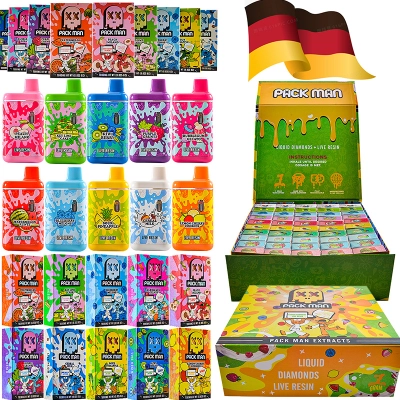
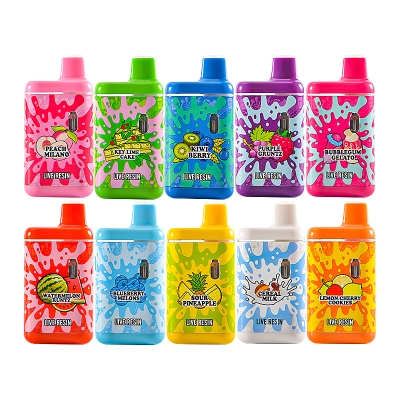
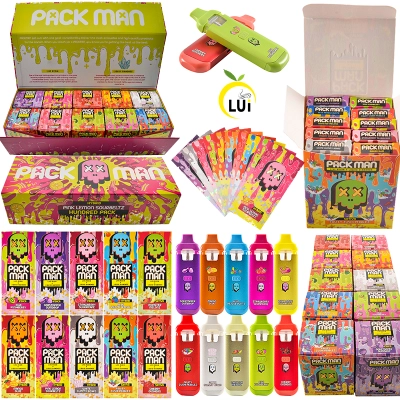
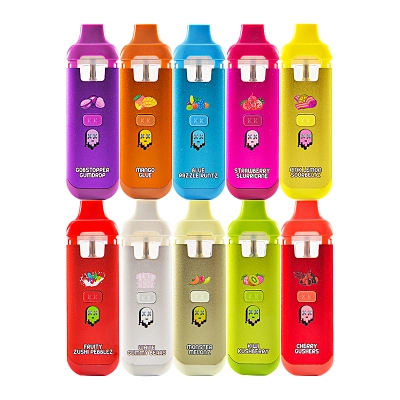
Besos listings often present flavor sets and assorted packaging concepts. Whether you sell hardware-only or pair hardware with regional packaging workflows, your inventory control must treat each packaging variant as a trackable SKU attribute. The simplest fix is also the most effective:
- Create a SKU map that links device finish + packaging variant + version code.
- Require carton labels to match that map (and audit on receipt).
- Keep an “approved for reorder” list to prevent accidental variant drift over time.
Bulk pricing: when “cheap” becomes expensive
Besos hardware can be competitively priced, especially when you move into higher tiers. But worth isn’t the unit price; it’s the landed cost after returns, rework, and customer support time. If you negotiate hard on price while leaving specs ambiguous, you increase the chance of “version substitution” (the silent swap that looks similar but performs worse). The best negotiating sequence is:
- Freeze specs (capacity, port type, battery, inlet geometry, finish/material notes).
- Define QC sampling + acceptance bands (DOA/leak/draw thresholds).
- Then negotiate tiers (and enforce version labeling on cartons and invoices).
So… are Besos disposables worth it in 2026?
They can be—if your buying process treats Besos as a repeatable hardware platform instead of a one-off novelty. Based on the way Lueciga presents the Besos family (empty-device options with clear port, inlet, and battery specs), the “worth it” case is strongest for buyers who:
- Need a straightforward 2ml-class disposable shell for consistent replenishment,
- Run basic inbound QC (charging, draw, leak screen) instead of trusting photos,
- Control packaging/variant drift with a procurement SKU map.
The “not worth it” case is for teams that can’t enforce spec consistency across lots, don’t have an RMA rulebook, or are operating in channels where battery compliance documentation gaps routinely delay shipments.
Buyer checklist (copy/paste)
- Confirm listing is empty hardware and state “empty devices” on PO/invoice.
- Lock key specs: capacity, Type-C, battery mAh, oil hole geometry, finish/material notes.
- Require version labeling on cartons + invoices; store reference photos per version.
- Inbound QC: charge test, indicator check, draw consistency, leak/condensation screen.
- Logistics folder: keep battery test documentation and shipper-required summaries ready.
- RMA rules: define evidence requirements and acceptable defect bands before first pallet.
Final takeaway: in 2026, Besos disposables are “worth it” when you buy them like an operations team—not like a trend-chasing shopper. Freeze the spec, standardize QC, and keep reorders aligned to the same approved variants.
0 Comments