
Besos Empty Disposable Pens: Design Language, Coil Specs and How B2B Buyers Select SKUs
In B2B, “SKU selection” for empty disposable pens is less about hype and more about repeatable outcomes: fill compatibility, clog/leak risk, draw consistency, and supply-chain stability. This guide breaks down how buyers evaluate Besos-style empty disposables through three lenses—design language, coil specifications, and a procurement-grade selection checklist.
Product context (internal): Besos · Besos disposable
1) Design language: why industrial design affects B2B defect rates
What “design language” means for buyers
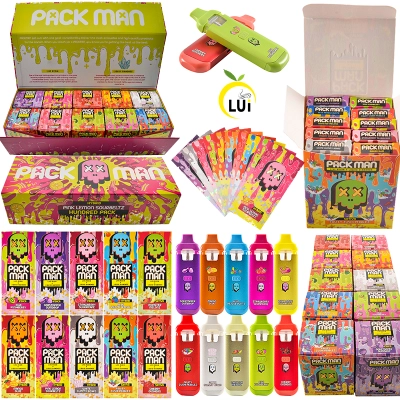
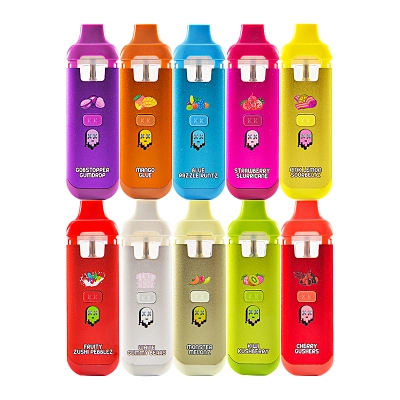
For procurement teams, design language isn’t aesthetic fluff—it’s a set of physical decisions that influence damage rates, handling speed, and user operation errors. A consistent silhouette, mouthpiece geometry, and button/airflow layout reduces variance across lots and makes training retail staff (or repacking teams) easier.
B2B design checkpoints that matter
- Grip + pocket profile: reduces drop events and cosmetic claim disputes.
- Mouthpiece geometry: affects condensation management and perceived draw stability.
- Airflow placement: impacts draw restriction and the likelihood of blocked inlets during packaging.
- Indicator logic (LED, etc.): reduces “dead-on-arrival” misreports caused by unclear battery feedback.
- Finish strategy: matte vs gloss decisions change scuff visibility and returns classification.
2) Coil specs: what to measure (and what not to guess)
Coil specifications are not a single number. Buyers typically evaluate a coil system as a set: resistance range, heating element type (wire vs printed heater), wicking/porous media, airflow geometry, and power delivery behavior. Resistance matters because device power and coil resistance are inversely related in typical e-cigarette designs, shaping heat-up behavior and aerosol output at a given power setting. :contentReference[oaicite:6]{index=6}
Resistance targets: why “sub-ohm vs ≥1Ω” is a useful first split
Peer-reviewed work commonly distinguishes conventional coils (often ≥1.5Ω) from “sub-ohm” devices (<1Ω), which can operate at higher power levels. For many B2B “everyday draw” hardware programs, higher-resistance ranges are often favored when the goal is steadier heat and fewer overheating edge cases. :contentReference[oaicite:7]{index=7}
Ceramic / porous heating systems: what “ceramic” usually implies
“Ceramic” in vaping hardware commonly refers to a heater architecture where a metallic heating track is printed on a microporous ceramic substrate, or where porous ceramic media participates in liquid delivery and heat transfer. This structure can change how liquid feeds the heater and how temperature responds across puff conditions. :contentReference[oaicite:8]{index=8}
Coil material: why buyers ask about alloys and metal exposure
Heating elements are often made from alloys such as nichrome, Kanthal, or stainless steel; material choice and operating conditions can influence what metals appear in liquid/aerosol pathways. Academic literature has examined metal content and emissions from devices and the role of coil composition in these outcomes. :contentReference[oaicite:9]{index=9}
A practical coil-spec worksheet (what to request from suppliers)
- Nominal resistance + tolerance: e.g., target range and acceptable drift lot-to-lot.
- Heater type: wire coil vs printed heater / ceramic-based architecture.
- Wicking / media: porous ceramic vs fiber/cotton-style media (if applicable).
- Airflow path diagram: inlet size + anti-leak features.
- Thermal behavior notes: ramp-up, heat distribution claims, and the test method behind them.
3) How B2B buyers select SKUs: a repeatable decision framework
Step 1 — Define the “fill reality” (before you compare hardware)
SKU selection starts with the intended fill profile (viscosity window, flavor load, and target draw style). Hardware comparisons without a fill definition turn into random sampling and inconsistent pass/fail outcomes. Buyers should document: target draw (tight/medium/open), acceptable warm-up time, and storage conditions.
Step 2 — Build a small scoring matrix (so opinions don’t win)
Use a simple 100-point matrix and score each candidate SKU across the same criteria. Example weights below can be adjusted per program.
| Category | Typical weight | What “good” looks like |
|---|---|---|
| Fill compatibility | 25 | No early clogging; stable draw after rest; minimal seepage in warm storage. |
| Coil/thermal stability | 20 | Consistent heat-up; low burn/overheat outliers; resistance stays in tolerance. |
| Leak resistance | 15 | Survives vibration/handling; no mouthpiece pooling in standard pack-out. |
| Manufacturing consistency | 20 | Low variance across samples; clear change-control and traceability. |
| Packaging & logistics | 20 | Master case/pallet strategy; clear lead times; stable warehouse options. |
Step 3 — Validate with a “minimum credible test plan”
- Incoming checks: cosmetic, resistance spot-check (if relevant), airflow spot-check.
- Short aging loop: rest devices, re-test draw consistency and seepage.
- Handling simulation: pack-out vibration or basic drop/stack checks to catch carton or mouthpiece pooling issues.
- Lot consistency: re-order a small second lot to confirm repeatability before scaling.
4) SKU architecture: reduce catalog chaos without losing optionality
Standardize what you can
Many B2B programs succeed by standardizing the “platform” (same basic body + airflow + battery behavior), then varying only what customers need (color, outer packaging, minor mouthpiece options). This reduces QC workload, shortens training, and makes performance drift easier to detect.
Control changes like engineering, not like marketing
Require revision control for coil/media swaps, airflow changes, and battery changes. If the internal architecture changes, your SKU is effectively new—even if the shell looks the same.
5) Logistics realities: why “shipping readiness” is part of SKU selection
For B2B buyers, the best-performing SKU is useless if lead time, warehouse availability, or shipment consistency collapses at scale. Treat logistics as a spec: carton labeling positions, master-case counts, and predictable ship windows. For internal lane information, see About Shipping.


0 Comments