
Ace Packman 2026 Edition: Engineering and Flavor Experience
Audience note: This article is for adult readers and trade buyers where permitted by local law. It’s written for product understanding and sourcing evaluation—not for medical, therapeutic, or health claims.
Last updated: January 30, 2026
Why “2026 Edition” Matters (Beyond a New Label)
In disposable hardware, “edition” should mean more than a refreshed graphic. It should signal a deliberate iteration: tighter tolerances, more predictable power delivery, and a flavor profile that stays consistent from the first draw to the last. The Ace Packman 2026 Edition is best evaluated as a system—battery, heating element, airflow path, and oil capacity working together to shape what users call “flavor.”
If you’re comparing options for menus, retail shelves, or wholesale restocks, treat this as a checklist-driven evaluation: does the device hold performance under real-world variables (temperature changes, user draw intensity, and storage time)? That question is what separates “good on paper” from “reliably repeatable.”
Engineering Snapshot: The Parts That Shape the Experience
1) Capacity and Runtime Expectations
The 2g format is popular because it balances user convenience with shelf velocity: enough capacity to feel “worth it,” while still being manageable for inventory planning. From a buyer’s perspective, the key is consistency—how stable the device feels across the full oil load, not just the first few pulls.
2) Power Delivery: Battery and Charging
A stable power curve is one of the biggest contributors to consistent flavor. USB-C / Type-C charging is now a baseline expectation in many channels because it reduces friction for end users and simplifies accessory standardization for stores. For buyers who manage multiple SKUs, fewer charging variations typically means fewer support tickets and fewer returns.
3) Heating and Resistance: Where Flavor Is “Made”
Flavor isn’t just “the oil.” It’s how the oil is heated. Coil resistance and the device’s control logic influence temperature stability, which in turn affects terpene expression, perceived sweetness, and harshness. When the system runs too hot, flavor can flatten into a generic “burnt sweet” profile; too cool, and you can lose body and saturation.
4) Airflow Path and Draw Feel
Airflow geometry (intake size, path length, and mouthpiece shape) changes both mouthfeel and perceived flavor intensity. A tighter, more controlled draw often concentrates aroma; a more open draw can feel smoother but may dilute top notes. For menus or retail, draw consistency matters because it reduces variability in customer feedback.
How Engineering Translates to Flavor
Temperature Curve: Keeping Notes Intact
Many “flavor complaints” are actually temperature complaints. A consistent temperature curve helps preserve brighter top notes (citrus, candy, berry) while keeping base notes (cream, bakery, herbal) from turning muddy. That’s why the same oil can taste different across two devices: the hardware is effectively the “cooking method.”
Wicking and Saturation: The Hidden Variable
Wicking is the bridge between oil and coil. If wicking is too slow, you’ll see dry hits and harshness; if it floods, you may get gurgling or muted flavor. For trade buyers, the practical takeaway is to favor devices known for repeatable performance rather than “peak flavor” claims that only appear under ideal conditions.
Air-to-Vapor Ratio: Why Two Devices Feel Like Two Flavors
Even with the same oil, the ratio of incoming air to generated vapor changes flavor perception. More air can make fruit profiles feel “lighter” and cream profiles feel “thinner.” Less air can intensify flavor but may feel warmer and heavier. This is why it’s useful to evaluate hardware as a pairing: certain airflow profiles naturally complement certain flavor families.
Flavor Experience: Building a Lineup That Sells
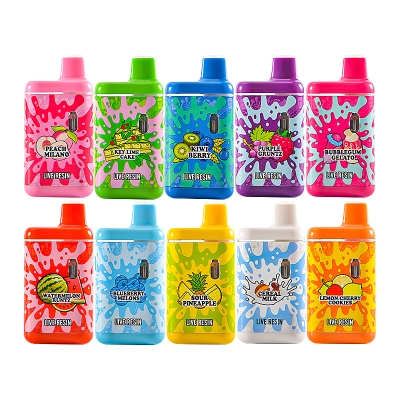
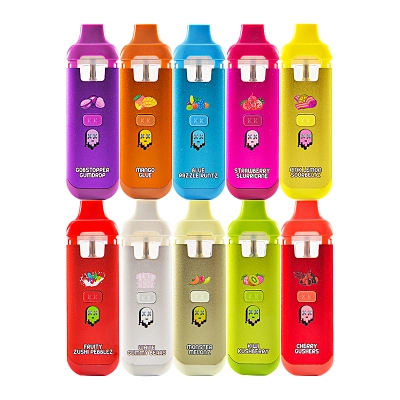
The best-selling lineups typically cover multiple “decision shortcuts” shoppers use: one or two candy-fruit options, a couple of cooling/ice options, at least one creamy/bakery profile, and a few bold “standout” flavors that become conversation pieces. From a merchandising standpoint, you’re not just selling flavors—you’re selling recognizable categories.
Practical Flavor Families (How to Organize Your Menu)
- Fruit + Ice: high clarity, high repeat purchase, strong first-impression appeal.
- Candy / Sweet: easy recognition, often broad audience, great for “try something fun.”
- Bakery / Cream: slower-burn favorites, strong loyalty when the device keeps them smooth.
- Bold/Novelty: the “talking point” flavors that drive curiosity and add variety to shelves.
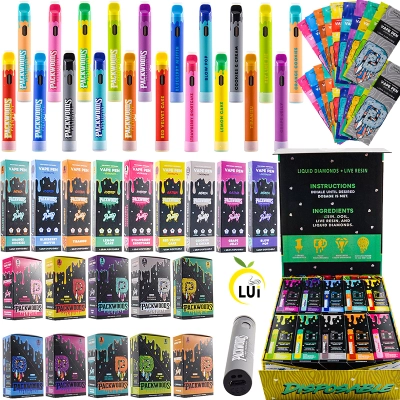
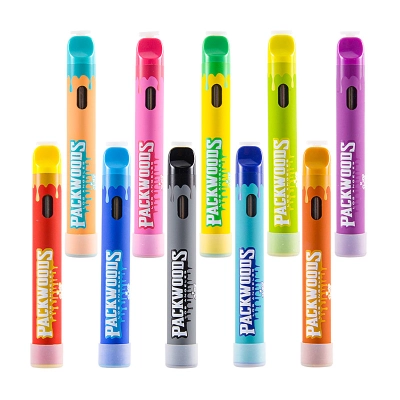
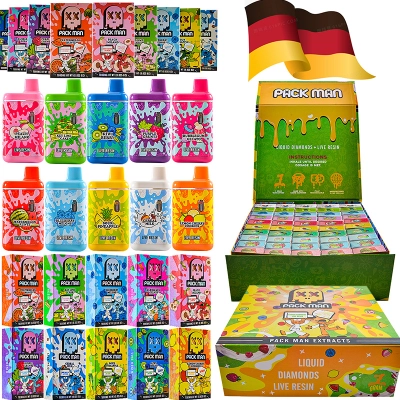
If you’re building your assortment around the collaboration concept, you can also lean into the story: co-branded devices tend to perform better when the flavor lineup is positioned as curated rather than random. For a deeper B2B framing of that idea, see Lueciga’s notes on co-branded shell concepts.
What Buyers Should Check Before Committing to Volume
1) Consistency Checks (Simple, Repeatable, Fast)
- Draw consistency: verify a stable pull across multiple units from the same lot.
- Charging behavior: ensure normal charging response and no abnormal heat during charge.
- Air leak / seal integrity: check for leaks and consistent airflow resistance.
- Labeling and SKU clarity: avoid confusion between similar variants when receiving inventory.
2) Packaging and Receiving: The Unsexy Profit Lever
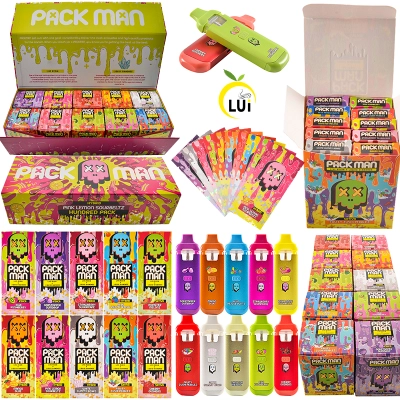
For wholesale buyers, receiving time is real cost. Clean SKU labeling, consistent packaging, and clear carton organization reduce labor and minimize mis-picks. If you run multiple brands or editions, insist on version clarity (edition tags, colorway IDs, or box markers) so your warehouse and retail teams don’t have to “guess.”
3) Legal and Responsible Retailing
Always follow local regulations for age gating, marketing claims, and product handling. Avoid health claims in product copy and ensure your customer-facing materials reflect compliance obligations. Responsible selling protects your brand and reduces platform risk.
Explore the Ace Packman Ecosystem on Lueciga (Internal References)
If you want to compare the broader collaboration lineup and see how items are grouped, start here: ace packman. For the disposable-focused collection pages, use: ace packman disposable. And if you specifically need the 2g category grouping for purchasing or menu planning: ace packman 2g disposable.
If you’re sourcing from U.S. inventory and need faster turnaround comparisons, you can also browse Disposable Vape Stock In USA to understand how similar SKUs are positioned and stocked.
FAQ for Retailers, Distributors, and Menu Builders
Is “flavor experience” mostly oil or mostly hardware?
It’s both, but hardware sets the ceiling. Great oil in unstable hardware can taste inconsistent. Stable hardware makes flavor profiles repeatable—and repeatability is what builds SKU confidence and predictable reorders.
What makes a collaboration edition easier to sell?
Recognition and clarity. Co-branded products can convert faster when the naming, packaging, and flavor families are easy to understand at a glance. The best editions reduce decision friction for customers and reduce confusion for staff.
How should I pick a tight lineup for a smaller store?
Choose 6–10 flavors that span categories: 2 fruit-ice, 2 candy-fruit, 1–2 bakery/cream, and 1–2 novelty/bold picks. Then watch what repeats. The goal isn’t maximum variety; it’s dependable turnover.
What’s the fastest way to reduce returns?
Standardize: consistent charging type, clear SKU labeling, and a simple intake checklist for each lot. Most avoidable returns come from mismatched expectations or receiving/labeling errors—not from the product itself.
0 Comments