
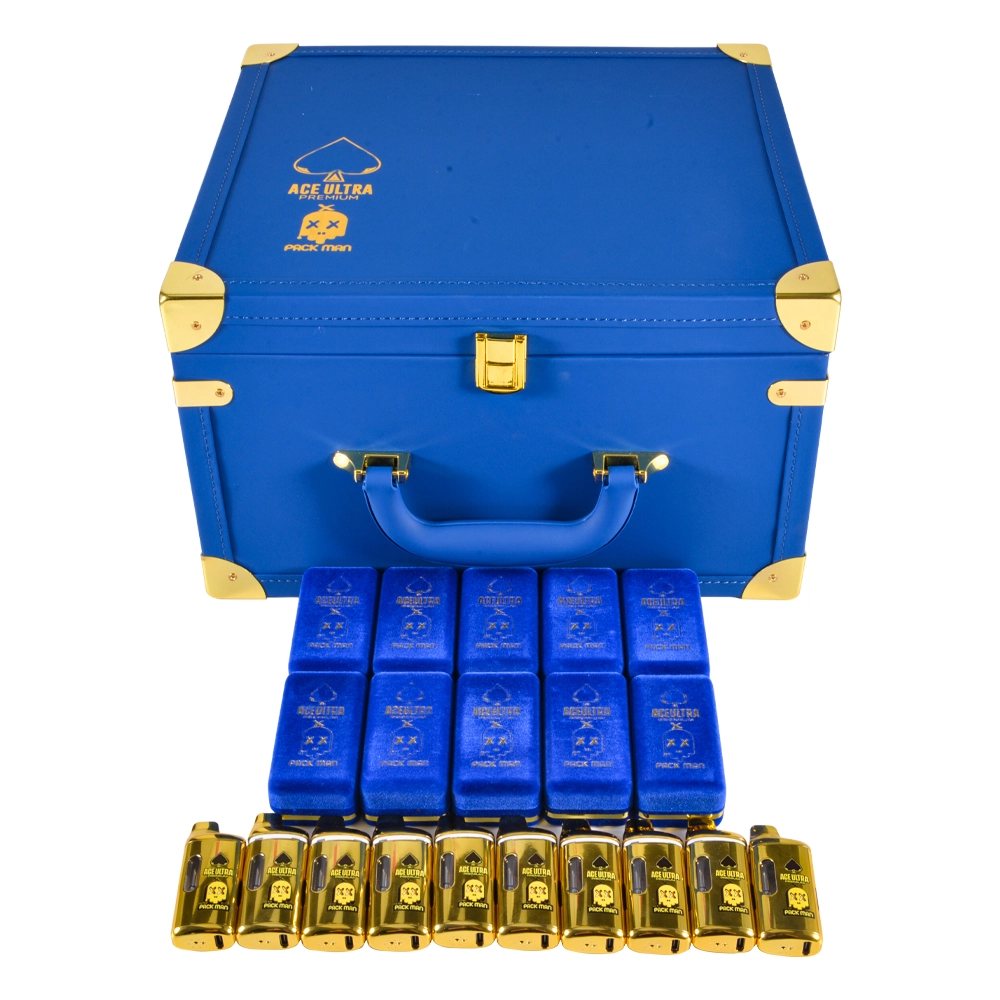
Ace x Packman: High-End Co-Branded Shell Concepts with Type-C and Screen
Compliance note: This article discusses EMPTY disposable vape shells and packaging only (no oil, no nicotine, no THC). Content is intended for licensed fillers, distributors, and B2B buyers in 21+ markets.
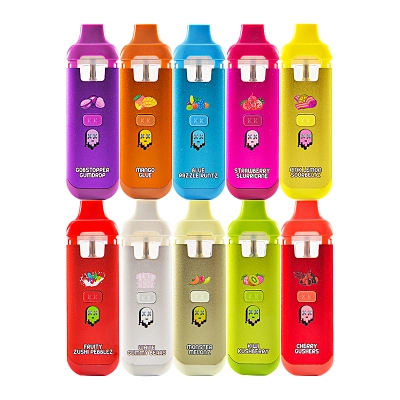
Across the B2B vape hardware market, co-branded shells are no longer a niche experiment. They have become a reliable way to line up your catalog with what end customers already recognize on shelves and social feeds. The Ace x Packman collaboration is one of the clearest examples of this trend: a high-visibility visual language, a 2-gram capacity format, and modern features like Type-C charging and optional digital screens, all packaged as EMPTY hardware ready for compliant filling.
For buyers planning SKUs around 2-gram disposables, the Ace x Packman family gives you room to play both in price tier and feature set. In this guide, we will look at how the design language works, how Type-C and screen options change your positioning, and how to plug Ace x Packman shells into a broader 2g strategy on Lueciga.
1. Why co-branded shells like Ace x Packman matter for B2B catalogs
When a customer walks into a store or scrolls a menu, they rarely read every word. They respond to signals: color blocking, logos, layout, and name patterns they have seen before. That is exactly why co-branded shells like ace packman matter. They compress months or years of brand exposure into a single quick recognition moment on the shelf.
For a distributor or OEM/ODM filler, that recognition turns into three practical advantages:
- Faster sell-in conversations: buyers often already “know” the look, so you spend less time explaining what the shell is and more time on logistics, price breaks, and MOQs.
- Clearer product segmentation: Ace x Packman creates a natural “premium collab” tier above generic white-label devices, which you can use to structure your catalog from entry level to flagship.
- Better search and shelf visibility: co-branded names tend to align with how people search and talk about devices, so your listings pick up more qualified B2B attention when they contain familiar phrases.
However, the value of a collab shell only pays off if the hardware itself is engineered to match that premium story. That is where the 2g format, Type-C charging, and screen options come in.
2. Inside the Ace x Packman 2g hardware concept
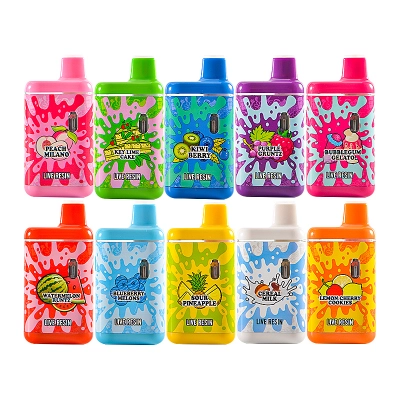
The Ace x Packman family is built around a 2-gram reservoir and a compact, easy-to-fill AIO layout. Instead of chasing extreme shapes or gimmicks, the industrial design focuses on clean lines, stable flat surfaces for labeling, and a mouthpiece geometry that feels familiar to most disposable users.
Typical 2g Ace x Packman shells are engineered with:
- 2ml / 2g designed capacity in a reinforced internal tank, sized for long runtimes but still manageable in pocket and shipping cartons.
- Multiple intake inlets and a tuned airflow path to support thicker oils without forcing fillers to drastically alter their SOPs.
- A mid-range rechargeable cell paired with USB Type-C, giving enough energy to finish the full reservoir under normal use without overbuilding battery cost.
- Optional digital display zones that coexist with your label map, so you can keep QR codes, compliance marks, and product info legible.
From a B2B standpoint, the point is not just that the shell looks good. It is that it is predictable to manufacture, test, ship, and fill at scale – which is one reason Ace x Packman has become a staple when buyers talk about higher-end co-branded empty hardware.
3. Type-C charging: why it belongs in your Ace x Packman roadmap
Type-C ports used to be an optional “nice-to-have” on disposable-style shells. In 2025, they are close to mandatory for any premium 2g format. Customers own Type-C cables for their phones, laptops, and earbuds; wholesalers who still push micro-USB devices increasingly hear pushback from both retailers and end users.
In the Ace x Packman family, USB Type-C does three things for your portfolio:
- Reduces “did not finish” complaints: rechargeability makes it much more likely that a 2g fill will be consumed fully, instead of being cut short by a depleted cell.
- Supports thicker formulations: when your customers experiment with denser oils, longer sessions and recharges become more important to avoid underpowered experiences.
- Signals a modern, future-facing design: visually, the Type-C port and overall industrial language put Ace x Packman in the same mental category as other “smart” devices rather than older, single-use sticks.
Operationally, Type-C shells also make your QA stories cleaner. You can standardize test rigs, avoid the headache of multiple cable types in receiving and filling lines, and align your catalog with the broader consumer electronics ecosystem.
4. Digital screens: from gimmick to structured premium tier
Digital screens on disposable-style devices used to be treated as flashy add-ons. As more brands move to higher capacities and rechargeable formats, screens are becoming a rational way to communicate status and reduce uncertainty for users and retailers.
On Ace x Packman shells that include a display, the screen typically focuses on three essentials:
- Battery status so users do not discard devices that are simply undercharged.
- Mode or power cues (for example, a boost or preheat indication) that match the behavior of the device without overwhelming the layout.
- Puff or usage indicators that help set expectations and differentiate the device from basic entry-level hardware.
For your B2B strategy, the real value of a screen is how it lets you create a clear flagship tier within the same co-branded family. You can structure the Ace x Packman line so that non-screen shells become the “day-to-day workhorse,” while screen-equipped units act as the premium or “hero” device for anchor SKUs and limited runs.
When you are mapping SKUs, this is where the ace packman 2g collection on Lueciga is useful. It lets you benchmark how 2g Ace x Packman shells are currently presented, what finishes or housing colors are common, and how screen and non-screen options are grouped for B2B buyers.
5. Using Lueciga’s Ace x Packman collections as your planning hub
Instead of treating Ace x Packman as a one-off experiment, it helps to think in terms of a “micro-ecosystem” inside your catalog. On Lueciga, the co-branded family is already organized into dedicated collection pages that you can use as a planning hub.
For example, the general ace x packman disposable collection gives you an overview of the collaboration as a whole, including which housing shapes and printing approaches line up best with common strain or flavor naming conventions in the market. From there, more specific 2g-focused collections help you refine your strategy.
When you are deciding how many SKUs to launch and how to position them, it is smart to cross-reference this product view with an editorial hub. On Lueciga, a good starting point is the internal guide to 2 gram disposable vapes, which breaks down capacity math, buyer profiles, and packaging considerations for 2g shells in general. Using that article together with the Ace x Packman collections helps keep your decisions grounded in both hardware reality and B2B buyer expectations.
6. Where Ace x Packman fits in a full 2g lineup
Most distributors do not stop at a single 2g device. Instead, they build a laddered portfolio that covers different price targets, visual languages, and feature sets. Ace x Packman is well suited to sit in the upper half of that ladder, acting as the premium collaboration line that anchors your story.
A simple way to think about this is to define three rough tiers:
- Core 2g workhorse – Unbranded or lightly branded shells with simple indicator lights, meant for volume programs and house lines.
- Co-branded collab tier – This is where Ace x Packman lives. The shells are still EMPTY, but the industrial design and naming lean on a recognizable collab story. Features like Type-C and more refined exterior finishes are standard.
- Flagship feature tier – Within the Ace x Packman story, digital screens and enhanced housing details (metallic accents, window treatments, etc.) push devices into the flagship category with higher margin potential.
Structuring your catalog this way makes it easier to talk about upsells: a buyer who starts in a generic 2g shell can be shown how a move into Ace x Packman improves shelf differentiation, and then how stepping up again into a screen-equipped Ace x Packman unit changes the perception of their hero SKUs.
7. Practical checklist for sourcing Ace x Packman shells
Once you have decided that Ace x Packman should be part of your mix, the next step is choosing specific SKUs and confirming the logistics details. Use the following checklist when working with the relevant collections on Lueciga:
- Confirm the exact sub-family: Are you planning around a core 2g format, or a specific screen-equipped variant? Start with the ace packman 2g disposable hub, then map SKUs to your price and feature tiers.
- Align MOQ with test batches: Plan an initial order sized for line validation – enough units to learn, but not so many that you are locked into a layout before you see real-world data.
- Lock in label and QR zones early: The collab shell already carries a lot of design language, so settling on where compliance marks, QR codes, and product info will sit is essential before you scale.
- Double-check charging and screen behavior: Make sure your internal SOPs reflect any timing for charging, preheating, or screen messages so your support team can answer retailer questions quickly.
- Coordinate with warehouse locations: If you are using multi-region stock, map which Ace x Packman SKUs live in which warehouse to avoid cross-border shipping complexity.
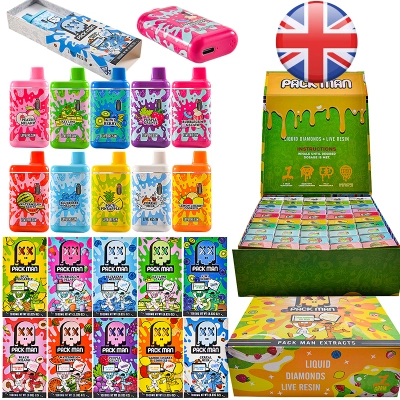
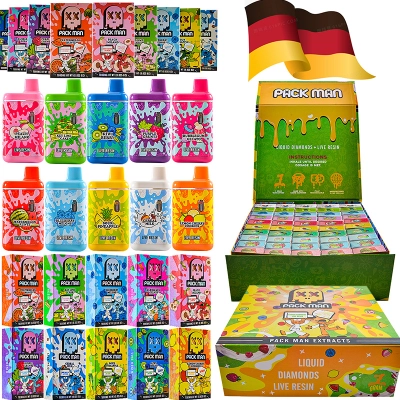
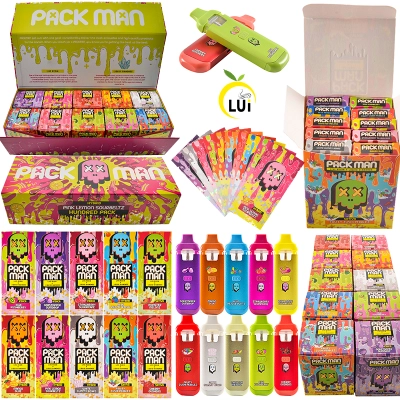
Throughout this process, having direct access to the main Ace x Packman collection pages helps. The broader ace packman series page lets you scan all related SKUs and get a visual sense of how the collab sits next to other branded-style shells.
8. How to brief your team around Ace x Packman launches
Finally, even the best hardware strategy only works if your internal teams are aligned around it. When you roll out Ace x Packman SKUs, consider a short playbook for sales, operations, and marketing:
- For sales teams: Emphasize that these are EMPTY, Type-C, 2g co-branded shells positioned as a premium collaboration tier. Provide simple scripts that contrast Ace x Packman with generic 2g devices and explain why the visual language matters on shelves.
- For operations and QA: Document filling parameters, packaging requirements, and any special handling or drop-test expectations for screen-equipped units. Confirm that receiving teams know how to identify Ace x Packman cartons quickly.
- For marketing: Build product cards, sell sheets, and catalog pages that reuse the same naming structure as the Lueciga listings, especially for key collections like ace packman 2g. This keeps your messaging consistent across your own channels and supplier pages.
Because Ace x Packman lives inside a broader ecosystem of 2g shells and co-branded families, tying your internal documents back to these canonical pages on Lueciga makes it easier to keep everyone using the same language over time.
9. Summary: Ace x Packman as a long-term infrastructure choice
Ace x Packman is more than a single “hype” drop. For B2B buyers, it is a reusable building block: a visually strong, 2g, Type-C-ready empty shell concept that can support both everyday programs and premium hero SKUs. Used well, the collaboration lets you:
- Leverage existing brand recognition to shorten sales cycles.
- Offer a modern device feature set with Type-C and optional screen variants.
- Anchor your 2g portfolio around a clear premium collab tier.
- Standardize packaging, labeling, and QA workflows across multiple SKUs.
By treating Ace x Packman as part of your core hardware infrastructure, not just a quick trend, you can build a more coherent, higher-margin lineup of EMPTY shells that stays aligned with how the market actually searches, scrolls, and shops.
0 Comments