
The Complete Guide to 2 Gram Disposable Vapes: Everything You Need to Know
This guide explains the essentials of 2 gram disposable vape hardware for **U.S. B2B** buyers in 2025. We focus on EMPTY shells only—no nicotine or cannabinoids—and on practical steps for licensed fillers, distributors, and chain retailers. You’ll learn capacity math, buyer profiles, packaging and labeling best practices, and selection tips that keep copy **compliance-lite** (no health, flavor, or cessation claims).
1) What “2g” Means in Hardware Terms
“2 gram” describes the **designed fill capacity** of an EMPTY disposable shell rather than performance, flavor, or potency. In practice, 2g formats prioritize a larger reservoir, reinforced air path, and—if rechargeable—USB-C ports to support full consumption across multiple sessions. Capacity alone doesn’t guarantee user experience; B2B buyers should inspect **fit & finish** (seals, mouthpiece geometry), **screen windows** (if any), and **port placement** to ensure label areas remain clean after filling.
For web taxonomy and internal linking, keep the core category consistent. On lueciga.com, use the canonical collection for 2g shells, e.g. 2 gram disposable, and cross-reference brand families where packaging and naming conventions converge.
2) Who Typically Buys 2g Shells
- Licensed fillers / OEM-ODM partners: need stable case counts, clean shells, and predictable carton labels for downstream COA/traceability (QR zones reserved).
- Distributors & wholesalers: look for pallet-friendly cartons, barcoded inner packs, and consistent “EMPTY hardware” labeling to speed receiving and reduce mis-slots.
- Chain retailers: require age-gated signage and standardized shelf/back-room flows; they often prefer shells that keep windows and ports well protected during transit.
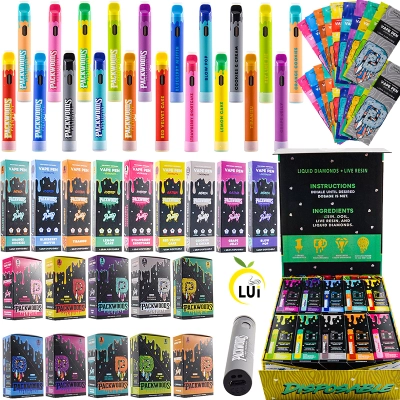
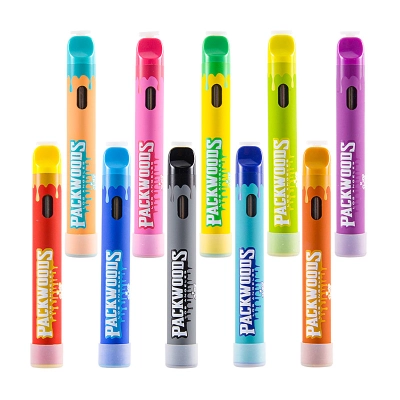
When you benchmark families for finish quality or label maps, check adjacent hubs like Muha Meds and device pages such as muha meds disposable to align iconography, QR placement, and carton wording across lines.
3) How to Choose: Case-Pack, Labeling & Pallet Fit
A) Case-Pack Clarity
Ask vendors to publish **units per inner pack**, **inner packs per master case**, and **total units per case**. Example: 10 units/pack × 12 packs/case = 120 units/case. Clear math prevents receiving disputes and short-ship debates.
B) Carton & Protection
Look for sturdy board grades, corner protection, and sleeves or films that shield windows/ports from abrasion. If devices include screens, ensure “This Side Up” markings and separators that avoid pressure on display areas.
C) Labeling & Scan-ability
- Human-readable model/finish + “EMPTY HARDWARE” statement.
- Outer and inner-pack barcodes/QR; reserve QR zones for post-fill COA pages.
- Orientation marks to reduce drop/abrasion incidents in cross-dock moves.
D) Pallet Fit & Handling
Plan for 40×48 pallets with even layers. Many teams target **≤ ~50 lb** per carton for ergonomics and speed. Request a “Master Case Label v2025” sample and a pallet diagram before placing a large PO.
4) Compliance-Lite Notes (Retail Age, UK Context, Batteries, Prop 65)
Age-gated retail (U.S.). Federal law (Tobacco 21) makes it unlawful to sell tobacco products—including ENDS—to persons under 21. Keep page language age-gated, and avoid any consumer-facing claims. Policy context: FDA T21 final rule and retail guidance, plus ongoing inspections.
UK context. If you serve UK audiences, remember **single-use vapes are banned nationwide since 1 June 2025** across online and in-store channels (including non-nicotine). Keep your title/body copy scoped to the U.S. market to avoid confusion.
Batteries (if applicable). If your EMPTY shells contain rechargeable cells, align packaging and paperwork with **PHMSA** lithium battery guidance (e.g., UN3481 markings where relevant). Scenario-based shipper guides help determine marking, documentation, and packing instructions.
California Prop 65. For multi-state rollouts, reserve label space for state notices.
Copy discipline: say “empty hardware, 21+ retail environments, compliance-ready label zones.” Do not claim “safer,” “healthier,” or “cessation-effective,” and do not imply FDA authorization.
5) Quick FAQ
Is “2g” always better?
Not inherently. A larger reservoir enables fewer changeovers for consumers, but for B2B, the real value is **manufacturability + packaging integrity**. Prioritize sealing quality, label real estate, and consistent case-pack math.
What MOQ should I start with?
Use a mid-tier MOQ to test filling/labeling throughput and warehouse handling. Scale tiers as velocity stabilizes to optimize landed cost per unit.
Do EMPTY shells require special transit marks?
Only if they include rechargeable cells—then follow lithium battery marking/documentation norms. Otherwise, standard cargo labeling plus orientation marks are typically sufficient.
This article covers EMPTY hardware and packaging only (no nicotine/cannabinoids). U.S. 21+ retail environments apply. UK readers: single-use vape sales are banned nationwide since 1 June 2025. For lithium-battery shells, follow PHMSA guidance. For California channels, reserve Prop 65 notice space. Avoid any health/efficacy or FDA-authorization claims.
0 Comments