
Wholemelt Phase 4 Wholesale: Stock Rotation Tips for Licensed Shops
Stock rotation is one of the most important operational habits for any licensed shop handling regulated vape hardware, cannabis-related accessories, or adult-use product categories. For buyers reviewing wholemelt phase 4 wholesale listings, the goal should not be simple volume purchasing. The goal should be a controlled inventory plan that protects compliance, reduces stale stock, improves batch visibility, and helps staff make better merchandising decisions.
Editorial note: this article is written for licensed adult business operators in jurisdictions where the relevant products may be legally reviewed, stored, displayed, or sold. It is not legal advice, medical advice, or an instruction to buy, sell, import, export, or distribute THC, cannabis, nicotine, or vaping products where restricted or prohibited. Always verify local laws, age restrictions, documentation requirements, advertising rules, and product eligibility before adding any item to inventory.
Why Stock Rotation Matters More in Regulated Vape Categories
In ordinary retail, stock rotation is mainly about avoiding dead inventory and protecting cash flow. In regulated adult-use retail, it is also about traceability, documentation, batch control, and responsible product handling. A shop that cannot identify what arrived first, what batch it belongs to, where it is stored, and whether it is eligible for display is taking unnecessary operational risk.
Products associated with THC, cannabis extracts, live resin language, or disposable vape hardware require extra review because laws vary widely by jurisdiction. Even when a product is sold as empty hardware, a licensed buyer should confirm whether the listing, packaging, device format, product description, destination market, and intended use are allowed under local rules. Inventory teams should also avoid making medical, therapeutic, safety, or youth-oriented claims in product pages, shelf talkers, email campaigns, or sales scripts.
Current regulatory guidance shows why this matters. The New York Office of Cannabis Management’s seed-to-sale guidance covers Metrc access, UID tags, Retail Item IDs, inventory, and compliance. The FDA also continues to publish warning letters for cannabis-derived products and has stated that it remains active in monitoring the marketplace. These sources show that inventory planning and marketing language should be treated as compliance-sensitive work, not just sales support.
Start With Eligibility Before Quantity
Before a buyer discusses order quantity, the first question should be eligibility. Can the shop legally handle the product type? Can it be shipped to the destination? Is the listing written in a way that your market permits? Does your license cover the product category? Are there local packaging, labeling, testing, age-gating, or advertising requirements?
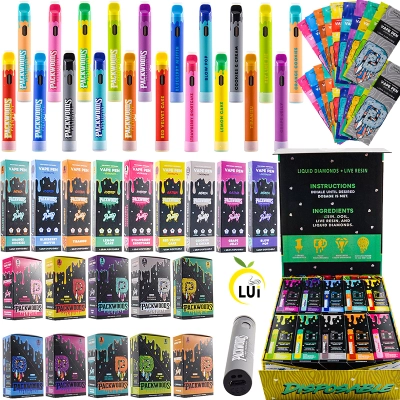
This step is especially important for teams researching wholemelt product references. A category page can help buyers compare formats, but it should not replace legal review. Treat every product page as a starting point for due diligence, not as proof that a product is automatically approved for your shop.
A practical eligibility checklist should include license type, allowed product format, destination rules, documentation status, packaging review, age-gating requirements, storage limitations, and staff training needs. If any point is unclear, place the SKU in a hold status until the issue is resolved. That is better than receiving inventory that cannot be displayed, transferred, or sold.
Use FIFO and FEFO Together
Many shops use FIFO, meaning first in, first out. This method prioritizes older received inventory before newer inventory. For regulated shops, FIFO is useful because it creates a simple handling rule for staff: older approved stock should move first unless compliance, quality, or documentation issues require a hold.
However, FIFO is not always enough. FEFO, meaning first expired, first out, can be a better rule when products carry expiration dates, best-by dates, testing windows, batch dates, or compliance deadlines. A shop may receive a newer shipment with an earlier expiration date than an older shipment. In that case, FEFO helps prevent a newer but time-sensitive batch from becoming unsellable.
The best system is often a hybrid: receive inventory by batch, label it clearly, check any expiration or documentation date, and then decide whether FIFO or FEFO should control display priority. For vape hardware, also review storage conditions, packaging integrity, battery guidance, and manufacturer documentation. For any product associated with cannabis, THC, or extract terminology, check whether the required testing and tracking documents are complete before the item enters active stock.
Build a Receiving SOP for Wholemelt Phase 4 References
A stock rotation plan starts at receiving. When a shipment is received, the team should not simply count units and move boxes to the back room. A receiving SOP should capture the supplier, purchase order, SKU, batch or lot identifier, received quantity, damaged quantity, storage location, staff initials, date received, and compliance status.
For buyers reviewing a whole melt extracts 2g thc reference, documentation language matters. Do not use the phrase in unsupported health claims, potency claims, or unrestricted sales claims. Use it only as a factual product-reference anchor when discussing inventory controls, product review, and compliance due diligence.
If the product page lists the item as an empty device, your receiving notes should reflect that. If the product is filled, infused, or otherwise regulated in your jurisdiction, your receiving checklist must include the additional requirements that apply. The team should also record whether the product page shows an active stock status. If a page displays sold out or out of stock, the blog or merchandising copy should not imply immediate availability.
Separate “Display Stock” From “Backroom Stock”
Shops often lose rotation discipline when display stock and backroom stock are treated as one pool. A better method is to create two visible zones. Display stock is what staff can present or reference on the retail floor. Backroom stock is controlled inventory that has not yet entered the active display cycle.
For every product family, the backroom should have a dated receiving label and a clear rotation order. The display area should contain only approved, current, properly documented stock. Staff should not pull random units from the newest box because it is easier to reach. That habit breaks FIFO, creates aging inventory in hidden locations, and makes later audits harder.
A weekly rotation check can solve this. Choose a fixed day for staff to compare shelf units with backroom units. Confirm that the oldest approved units are displayed first, that any damaged packaging is removed from active display, and that the POS or inventory system matches the physical count. For small shops, this may take less than an hour. For multi-location operators, it should become part of the standard audit calendar.
Track Velocity by SKU, Not by Brand Alone
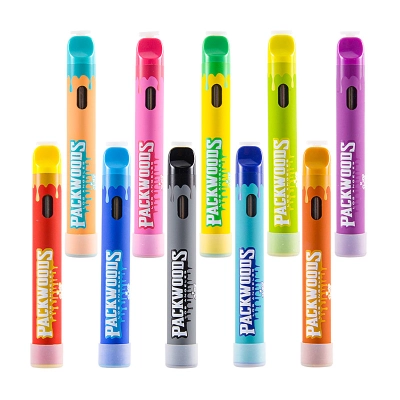
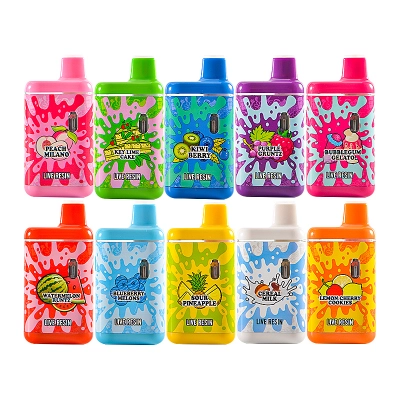
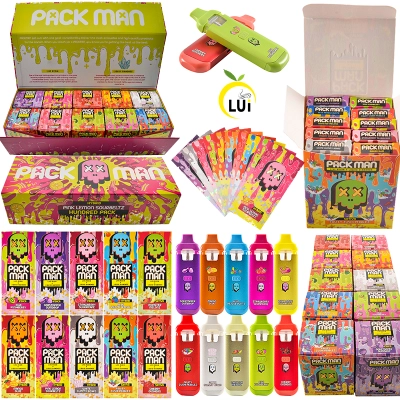
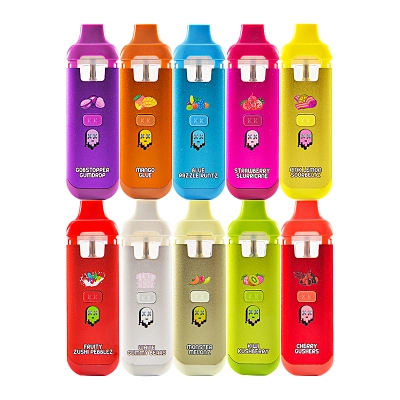
A common buying mistake is assuming that a brand-level trend applies equally to every SKU. A shop may see interest in wholemelt disposable vape references, but that does not mean every size, device format, flavor profile, chamber design, or packaging version will move at the same speed.
Track velocity by SKU. Record how many units move per week, how many days of supply remain, which batches are aging, and whether staff questions suggest confusion around a product. If one SKU moves quickly while another remains untouched, the issue may be placement, pricing, staff knowledge, flavor mix, packaging clarity, or compliance concerns.
Good stock rotation depends on accurate velocity data. A fast-moving SKU may justify deeper review for replenishment. A slow-moving SKU may need reduced reorder quantity, better staff notes, or removal from the next buying cycle. The key is to make decisions from data rather than from a single busy weekend or a brand name alone.
Create Aging Buckets for Faster Decisions
Aging buckets help shops see inventory risk before it becomes a loss. A simple structure might be 0–30 days, 31–60 days, 61–90 days, and 90+ days. The exact timing should be adjusted to your product type, local rules, and shelf-life requirements.
Each bucket should have a decision rule. New stock may enter standard display rotation. Mid-age stock may need staff education or improved placement. Older stock may need management review, documentation checks, or removal from active display if it no longer meets internal standards. Do not use discounting or promotional language unless it is allowed by local cannabis, vape, tobacco, advertising, and consumer-protection rules.
Aging reports are also useful for buyers reviewing future product pages. If the shop has repeatedly over-ordered similar device formats, reduce the next order. If a format consistently sells through while remaining compliant and well documented, then it may deserve a more structured reorder plan.
Use Internal Links as Navigation, Not Keyword Stuffing
Internal links should help readers understand where to find product references and related categories. They should not turn the blog into a keyword-stuffed landing page. Google’s title guidance warns against repeating the same words and phrases in a way that looks spammy, and its people-first content guidance recommends content that provides real value beyond search manipulation.
A natural internal link plan for this article includes one exact-match product anchor, one brand or category anchor, one disposable-category anchor, and two related product-intent anchors. For example, a buyer can review the product reference for whole melt 2g live resin wholesale factory research, then compare related listings through the broader Whole Melt disposable category. This keeps the reader journey logical while avoiding repeated exact-match anchors.
Compliance-First Staff Training Tips
Stock rotation only works when staff understand why it matters. Train team members to check dates, batch numbers, labels, storage location, and POS status before moving items. Staff should also know which claims they must avoid. Do not describe a vape product as safe, healthy, therapeutic, approved for minors, or legal in all markets. Do not make unsupported claims about effects, potency, medical benefit, or risk reduction.
In addition, staff should understand the difference between product navigation and product promotion. A product page may be used as a reference during internal review, but public-facing copy must match your legal obligations. If your jurisdiction requires age gates, disclaimers, license numbers, warning labels, or advertising restrictions, those requirements should be handled before publication.
Suggested SEO Elements
SEO title: Wholemelt Phase 4 Wholesale Stock Rotation Tips | Lueciga
Meta description: A compliance-first stock rotation guide for licensed shops reviewing Wholemelt Phase 4 wholesale references, FIFO/FEFO controls, batch tracking, aging reports, and regulated inventory planning.
URL slug: wholemelt-phase-4-wholesale-stock-rotation-tips
Primary keyword: wholemelt phase 4 wholesale
Secondary topics: Wholemelt disposable vape, FIFO inventory, FEFO stock rotation, licensed shop inventory, cannabis vape compliance, batch tracking
FAQ
Should shops use FIFO or FEFO for regulated vape inventory?
Shops should usually use both. FIFO helps older received inventory move first, while FEFO prioritizes items with earlier expiration, testing, or documentation deadlines. The right method depends on the product type and local rules.
Can a blog title say the product is in stock?
No. Only use in-stock language if the product page and sales team confirm availability. If a page displays out of stock or sold out, the article should focus on planning, documentation, or restock review rather than immediate availability.
What should licensed buyers verify before adding a product to inventory?
Buyers should verify license eligibility, destination legality, shipping rules, product documentation, batch identifiers, packaging requirements, age-gating rules, storage conditions, and whether the product description makes any restricted claims.
Final Takeaway
Wholemelt Phase 4 wholesale planning should be treated as an inventory-control topic, not just a purchasing topic. Licensed shops need a process that starts with eligibility, continues through receiving and documentation, and ends with disciplined stock rotation. FIFO, FEFO, aging reports, and staff training all help reduce waste and improve audit readiness.
The best blog strategy is also the safest SEO strategy: write for real licensed buyers, keep titles accurate, avoid exaggerated claims, use internal links naturally, and reference authoritative compliance sources. That approach gives the article a useful purpose while reducing the risk of misleading, youth-oriented, or non-compliant marketing.


0 Comments