
Wholemelt Phase 4 Wholesale: Bulk Stock Planning Guide for Licensed Retailers
Meta Title: Wholemelt Phase 4 Wholesale Stock Planning Guide | Lueciga
Meta Description: A compliance-first bulk stock planning guide for licensed retailers reviewing Wholemelt Phase 4, Whole Melt disposable vape listings, product documentation, inventory controls, shipping review, and regulated-market content standards.
Editorial Note: This article is written for lawful, licensed business operators in regulated markets. It is not legal advice, medical advice, or an instruction to buy, sell, import, export, or distribute cannabis, THC, or vaping products in any jurisdiction where such activity is restricted or prohibited.
Introduction: Why Bulk Stock Planning Needs a Compliance-First Approach
Planning bulk inventory for a regulated vape category is very different from planning ordinary consumer goods. A retailer or distributor cannot rely only on price, product popularity, flavor demand, or search volume. Before any item is added to a stock plan, the team should review licensing status, product documentation, local market eligibility, labeling requirements, age restrictions, shipping limits, and internal approval workflows.
The topic Wholemelt Phase 4 Wholesale: Bulk Stock Planning Guide can attract B2B search interest, but the page must be framed carefully. For a site such as Lueciga, the safest editorial direction is not aggressive sales copy. The better approach is a practical guide that helps licensed operators review product pages, document stock decisions, and avoid over-ordering items that may later face compliance, fulfillment, or market-access issues.
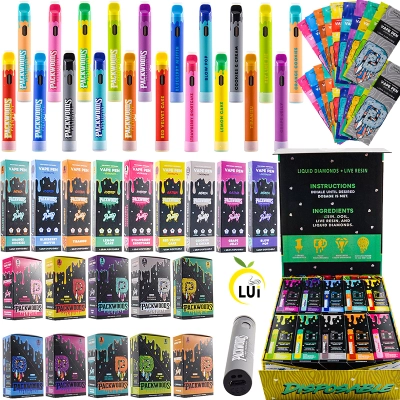
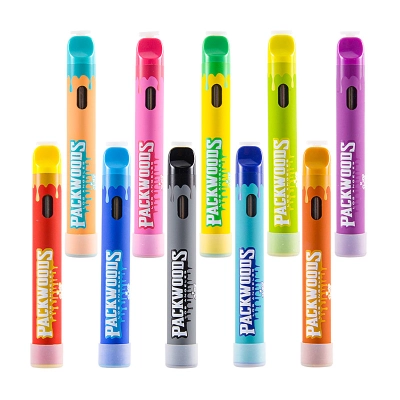
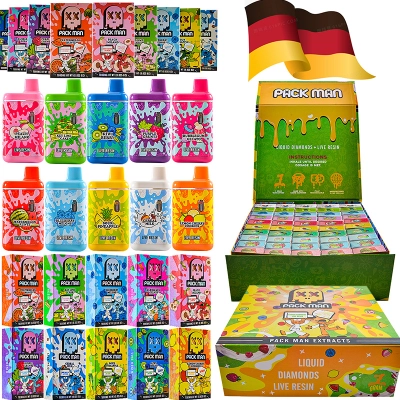
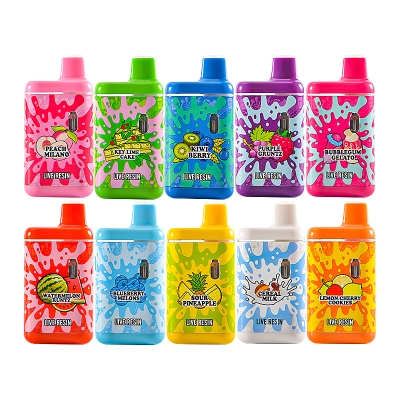
For readers who are reviewing related product information, the main reference page can be linked once with the anchor wholemelt phase 4 wholesale. The broader category page can also be referenced with a natural anchor such as wholemelt disposable vape. These links should support navigation, not manipulate rankings through repeated exact-match anchors.
1. Confirm Market Eligibility Before Planning Quantity
The first step in any bulk stock plan is market eligibility. Before estimating quantity, a business should confirm whether the product category can legally be handled, listed, shipped, stored, advertised, or sold in the target jurisdiction. Rules may vary by country, state, province, city, license type, product format, cannabinoid content, and intended use.
A practical eligibility review should include five checks. First, confirm that the business has the correct license for the product category. Second, confirm that the product format is allowed in the target market. Third, confirm that online display, advertising, and product descriptions are permitted. Fourth, confirm that fulfillment partners can legally ship to the destination. Fifth, confirm that the product page does not make medical, therapeutic, youth-oriented, or misleading safety claims.
For inventory teams, this means the phrase “bulk stock planning” should not simply mean ordering more units. It should mean building a documented approval path. If a product cannot pass the eligibility review, it should remain in a hold status and should not be included in active replenishment planning.
2. Build the Product Review Around Documentation
Regulated vape inventory should be reviewed with a documentation-first process. A responsible buyer should request or verify available product specifications, packaging information, batch identifiers, ingredient disclosures, safety documentation, and any lab or compliance documents required by the applicable market. If a product page describes device capacity, chamber design, resistance, battery capacity, charging type, or flavor profiles, those details should be cross-checked before being used in sales, catalog, or stock-planning materials.
Documentation is especially important when content includes terms such as “2g,” “live resin,” “THC,” “extracts,” or “disposable vape.” These terms can carry regulatory, safety, and consumer-protection implications. The internal link anchor whole melt extracts 2g thc should therefore be used only in a factual, navigational context. It should not be placed in exaggerated claims, promotional price blocks, or medical-effect statements.
A good documentation workflow includes product identity, device specification, packaging review, labeling review, destination restrictions, storage requirements, and internal approval notes. If any field is incomplete, the item should be marked as “review required” rather than moved directly into the active stock plan.
3. Create Inventory Tiers Instead of One Bulk Order
A simple way to reduce risk is to divide inventory into three tiers: approved stock, review stock, and hold stock. Approved stock includes products with complete documentation, clear market eligibility, acceptable labeling, and verified fulfillment options. Review stock includes items that may be suitable but still require confirmation from compliance, legal, or operations teams. Hold stock includes items that should not be listed, promoted, ordered, or shipped until missing information is resolved.
This tiered approach helps prevent a common mistake in vape category planning: over-ordering based only on trend demand. A product may have high search interest or strong customer curiosity, but that does not mean it is suitable for every market. A conservative stock plan should favor verified availability, documentation completeness, and sell-through stability over short-term hype.
For a phrase like whole melt 2g live resin wholesale factory, the editorial team should be especially careful. It may capture search intent, but it also sounds highly commercial and keyword-heavy. Use it sparingly, only once if needed, and only where the surrounding content explains compliance review rather than encouraging unqualified purchasing.
4. Forecast Demand With Conservative Replenishment Rules
Bulk stock planning should be based on measured demand, not guesswork. A useful starting point is a rolling four-week or six-week review of page views, inquiries, add-to-cart events, conversion rate, return rate, complaint rate, and fulfillment delays. However, these numbers should be interpreted alongside compliance status. A product with strong interest but incomplete documentation should not receive the same replenishment weight as a fully approved item.
Retailers can use a conservative rule: keep higher stock depth only for items that are approved, documented, and operationally stable. For items in review status, use limited visibility and avoid aggressive promotional placement. For hold-status items, do not publish promotional copy, discounts, or urgency language. This protects the business from unsellable stock and reduces the risk of misleading users.
The ideal stock model includes minimum stock, maximum stock, reorder point, documentation status, shipping status, and compliance owner. Each field should be reviewed regularly. If a market rule changes, if documentation expires, or if shipping routes become unavailable, the product should be reclassified before any new order is placed.
5. Keep SEO Titles Clear, Human, and Non-Spammy
The blog title should be readable for people first. A good title can include the main keyword, but it should not repeat every related phrase. For this topic, the recommended H1 is: Wholemelt Phase 4 Wholesale: Bulk Stock Planning Guide for Licensed Retailers. This version keeps the primary keyword while adding an important compliance qualifier.
The SEO title can be shorter: Wholemelt Phase 4 Wholesale Stock Planning Guide | Lueciga. The URL slug can be simple: /blog/wholemelt-phase-4-wholesale-stock-planning. The meta description should explain the value of the page without promising easy purchase, guaranteed availability, medical effects, or unrestricted shipping.
When using a blog editor, make sure the title field, H1 field, meta title, OG title, and schema headline all describe the same page. If the editor automatically generates titles, add conditions that prevent duplicate titles, keyword stuffing, price claims, discount claims, “buy now” wording, medical claims, and unsupported safety claims.
6. Use Internal Links as Reader Paths, Not Ranking Tricks
A strong internal linking plan should help the reader move from the guide to relevant product, category, policy, and logistics pages. It should not repeat the same anchor five times. For this article, five internal links are enough. Use one exact-match product anchor, one category anchor, one related keyword anchor, one careful commercial-keyword anchor, and one operational support anchor.
For fulfillment context, readers can review Lueciga shipping information. This is a safer internal anchor than forcing another product keyword because inventory planning depends on processing time, warehouse status, destination limits, and logistics reliability. A stock plan is only useful if the fulfillment assumptions are realistic.
Recommended internal link distribution:
- One link to the Wholemelt Phase 4 product reference page.
- One link to the Whole Melt disposable vape category page.
- One link using a related product-intent anchor.
- One link using a commercial keyword only where the article discusses compliance risk.
- One link to shipping or policy information to support operational decision-making.
7. Avoid Medical, Safety, and Effect-Based Claims
Content about cannabis-related or THC-related vape products should not claim that a product treats anxiety, pain, insomnia, nausea, depression, cancer, epilepsy, or any disease unless that claim is specifically authorized under applicable law and supported by regulatory approval. A safer editorial style focuses on device format, documentation, inventory controls, market eligibility, labeling review, and operational planning.
Avoid phrases such as “safe,” “risk-free,” “healthy,” “medical-grade,” “guaranteed high,” “best for anxiety,” or “approved for treatment.” Even if competitors use these phrases, they can create unnecessary legal, platform, payment, advertising, and search-quality risks. In regulated categories, trust is built through accuracy and restraint.
Instead, use neutral language: “review documentation,” “confirm local requirements,” “for licensed operators,” “market eligibility may vary,” “not for unauthorized distribution,” and “consult qualified compliance counsel.” These phrases make the article more useful and more defensible.
8. Add an Internal Compliance Checklist
Before publishing or using this guide as part of a product cluster, the editorial team should complete a compliance checklist. The checklist should confirm that the article is not targeting minors, does not include youth-oriented imagery, does not make health claims, does not present unverified potency statements as fact, does not imply unrestricted shipping, and does not encourage activity outside licensed channels.
The operations team should also review whether the article links to current product pages, whether out-of-stock items are clearly labeled, whether shipping pages are accurate, and whether any regional restrictions need to be added. If the business serves multiple jurisdictions, it may be necessary to add region-specific disclaimers or limit visibility in certain markets.
For SEO, the checklist should verify that the title is unique, the H1 is clear, headings are hierarchical, internal anchors are natural, image alt text is descriptive rather than stuffed, and the article gives real planning value rather than repeating keywords. This helps the page serve both users and search engines.
Conclusion: Plan Stock Around Compliance, Not Just Demand
Wholemelt Phase 4 may be a useful topic for a B2B stock-planning article, but the content must be handled carefully. The best approach is to write for licensed retailers, distributors, and category managers who need a structured way to evaluate product references, documentation, inventory depth, fulfillment assumptions, and market eligibility.
A responsible article should not push readers toward unverified purchasing or unsupported claims. Instead, it should help teams decide whether an item belongs in approved stock, review stock, or hold stock. This approach creates a stronger editorial asset, reduces operational risk, and makes the internal links more useful.
For Lueciga, the safest blog strategy is to keep the main keyword in the title, add a licensed-retailer qualifier, use five varied internal anchors, avoid keyword stuffing, and include practical inventory controls. That combination gives the article SEO relevance while keeping the tone aligned with a regulated product category.
0 Comments