
Wholemelt Phase 4 Inventory Planning Guide for Licensed Retailers
Editorial note: This guide is intended for lawful, licensed, adult-use or medical-market operators who need a compliance-first framework for planning inventory, evaluating product information, and reducing operational risk. It is not medical advice, legal advice, or a recommendation to buy, sell, or distribute cannabis products in any jurisdiction where doing so is restricted or prohibited.
Why Inventory Planning Matters in Regulated Vape Categories
Inventory planning for cannabis-related vape devices requires more than demand forecasting. Retailers, distributors, and category managers must consider licensing status, jurisdictional rules, age restrictions, product documentation, safety disclosures, batch traceability, shipping limitations, and consumer education. In a regulated market, a product page or catalog listing should never be treated as the only basis for procurement decisions. A responsible stock plan starts with compliance verification and ends with documentation that can be reviewed by internal teams, regulators, logistics partners, and retail staff.
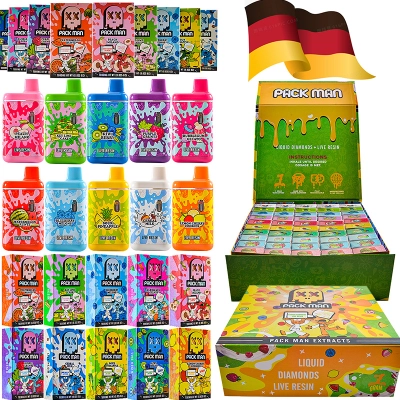
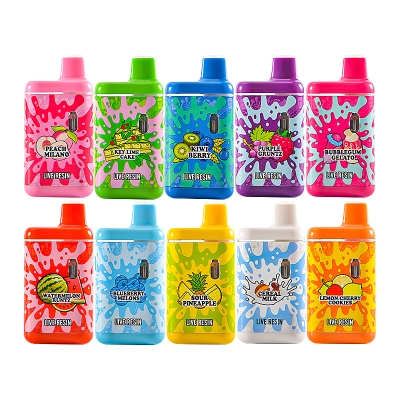
For teams researching Whole Melt-related device references, Lueciga’s internal product and category pages can be used as navigation points while conducting due diligence. For example, teams may review the Whole Melt Phase 4 device reference and compare it with the broader Whole Melt disposable vape category. These pages should be treated as product-information references, not as substitutes for legal, safety, or licensing checks.
Start With Market Eligibility, Not Quantity
The first question in a responsible bulk stock planning process is not “How many units should we carry?” It is “Are we legally permitted to handle, store, display, advertise, or distribute this category in our target market?” Cannabis and THC-related products remain subject to complex federal, state, and local rules. In the United States, recent federal action has changed the status of certain FDA-approved marijuana products and state-licensed medical marijuana products, but strict federal controls remain in place and broader rulemaking continues. Because of this, retailers should confirm their own license scope, product category permissions, and local advertising limits before making any inventory decision.
A practical approach is to create an internal eligibility checklist. The checklist should confirm the license holder, business address, product category, age-gating requirement, allowed sales channel, packaging rules, lab documentation requirements, and any limits on online display or delivery. If any item cannot be verified, the product should remain out of the active stock plan until the compliance team resolves the issue.
Use a Documentation-First Product Review
For regulated vape categories, product review should begin with documentation. A responsible buyer should request or verify applicable certificates, batch identifiers, ingredient disclosures, packaging information, device specifications, and jurisdiction-specific labeling requirements. Claims about potency, live resin, liquid diamonds, terpenes, or cannabinoid content should be supported by appropriate documentation from qualified testing channels where required by law.
Retailers should also avoid using medical or therapeutic language unless such claims are legally authorized and supported by regulatory approval. Product pages and blogs should not claim that cannabis or THC products treat anxiety, pain, insomnia, cancer, epilepsy, or any other disease unless the claim is specifically permitted. In most contexts, the safest editorial approach is to describe product format, device category, documentation requirements, storage considerations, and compliance steps rather than making effect-based claims.
When linking internally, choose descriptive anchors that help readers navigate the site without creating keyword-stuffed copy. Examples include Whole Melt device specification archive, shipping and fulfillment information, and terms of use for regulated product research. These anchors are clearer and safer than repeating the same exact-match commercial phrase throughout the article.
Build a Stock Plan Around Risk Tiers
A compliance-first stock plan can divide products into risk tiers. Tier one includes products with complete documentation, verified market eligibility, clear labeling, and a predictable fulfillment process. Tier two includes products with partial documentation or market-specific restrictions that require additional review. Tier three includes products that should not be listed, promoted, ordered, or displayed until missing compliance information is resolved.
This structure helps teams avoid overstocking items that may later become difficult to move because of labeling, licensing, age-verification, payment, shipping, or advertising constraints. It also helps prevent the common mistake of planning inventory only around trend demand. Trend-based demand can change quickly, especially in branded disposable vape categories. A product that looks popular in search data may still be unsuitable for a specific market if compliance, packaging, or documentation requirements are incomplete.
For planning purposes, retailers can create three inventory columns: approved stock, review stock, and hold stock. Approved stock can be considered for normal replenishment. Review stock requires compliance sign-off before publication or ordering. Hold stock should remain unpublished and excluded from promotional planning until all conditions are cleared.
Forecast Demand Without Overpromising
Demand forecasting should use conservative assumptions. For a regulated vape category, the goal is not simply to maximize unit volume. The better goal is to maintain enough verified inventory to serve lawful adult customers while avoiding expired packaging, obsolete hardware, or unsellable stock. Retailers should monitor sell-through rate, return rate, complaint rate, documentation completeness, and local regulatory changes.
A simple planning model can use a rolling four-week average for baseline demand, then add a small buffer for seasonal increases or retail events where permitted. However, the buffer should be smaller for products with uncertain compliance status or limited documentation. New product references should be introduced gradually, with review checkpoints before any larger replenishment decision.
Stock planning should also account for staff training. Retail employees must understand how to describe a product category accurately without making health claims or encouraging misuse. Staff should know where to find documentation, how to handle age-verification questions, and when to escalate consumer safety concerns.
Safety Language Belongs in the Content Plan
Any blog or product guide in this category should include safety-oriented language. Public health agencies have warned that THC-containing vaping products, particularly those obtained from informal sources, have been linked to serious lung injury cases. Vitamin E acetate has also been strongly associated with the EVALI outbreak. Because of this, a responsible editorial strategy should avoid “risk-free,” “safe,” “healthy,” or “medical-grade” claims unless they are legally and scientifically supported.
Instead, use neutral language such as “review documentation,” “follow local laws,” “verify licensed channels,” “check product labeling,” and “consult qualified legal or compliance professionals.” This approach protects readers, improves trust, and reduces the likelihood that the blog appears to exist only to manipulate search rankings or push sales.
Internal Linking Strategy for This Blog
Internal links should help readers move to relevant resources, not force exact-match commercial keywords into every paragraph. A balanced article can include five internal links: one to the main product reference, one to the broader category page, one to a specification or archive page, one to shipping information, and one to terms or policy information. This creates a more natural content path and reduces the risk of keyword stuffing.
Recommended anchor mix:
- Use one primary product-reference anchor.
- Use one category-level anchor.
- Use one documentation or specification-style anchor.
- Use one logistics or fulfillment anchor.
- Use one legal, policy, or terms anchor.
This structure is more trustworthy than repeating “wholemelt phase 4 wholesale” several times. It also aligns better with a people-first editorial approach because each link has a clear purpose for the reader.
Suggested Page Title, Meta Title, and Meta Description
Page title / H1: Wholemelt Phase 4 Inventory Planning Guide for Licensed Retailers
SEO title: Wholemelt Phase 4 Inventory Planning Guide | Lueciga
Meta description: A compliance-first inventory planning guide for licensed retailers reviewing Whole Melt device references, documentation, stock risk, fulfillment checks, and regulated-market content standards.
Final Checklist Before Publishing
- Confirm the article is visible only where legally appropriate.
- Add age-gating or adult-use notices where required.
- Remove medical, safety, or potency claims that are not documented.
- Use the primary keyword once in the title and naturally in the introduction.
- Keep internal anchors descriptive and varied.
- Do not use hidden text, doorway-style copy, or repeated exact-match anchor blocks.
- Make sure the H1, SEO title, and article topic match each other.
- Review all shipping, payment, and destination claims for legal accuracy.
A strong inventory planning guide should help licensed operators make safer, better-documented decisions. For Whole Melt-related pages, the best SEO approach is not aggressive keyword repetition. It is clear structure, transparent compliance language, accurate internal navigation, and a title that reflects the real purpose of the page.
0 Comments