
Wholemelt Phase 4 Disposable Vape: New Hardware Features for Retail Buyers
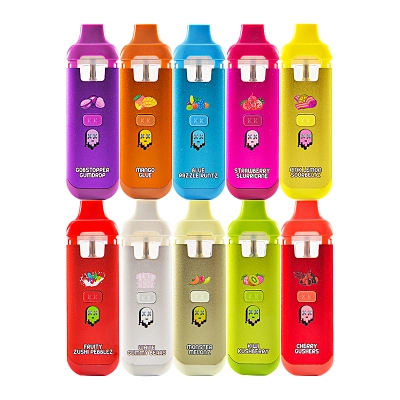
The 2026 disposable vape hardware market continues to evolve rapidly, especially within the 2g dual-chamber category. Among the most discussed innovations is the Wholemelt Phase 4 disposable vape system, a device designed for improved airflow control, dual-extract switching, and retail-ready packaging scalability. This article breaks down its hardware architecture, retail positioning, and what buyers should evaluate before sourcing at scale.
Before analyzing the Phase 4 system, it is important to understand the broader product ecosystem. You can explore the full category of devices here: wholemelt disposable vape.
1. Market Context: Why Phase 4 Exists
Recent industry data from 2025–2026 shows a strong shift toward dual-chamber disposable devices. Retailers increasingly demand products that offer multi-profile experiences without increasing SKU complexity. According to hardware sourcing reports, 2g disposable systems now dominate mid-tier vape sales due to longer lifecycle efficiency and improved battery-to-oil ratio.
The Wholemelt Phase 4 sits directly in this category evolution, offering upgraded internal coil structure and a dual-extract switching mechanism designed for smoother airflow distribution.
Related product reference: wholemelt phase 4
2. Core Hardware Architecture of Wholemelt Phase 4
The Phase 4 device is built around a dual-chamber structure that separates two independent extract reservoirs. This allows controlled switching between terpene profiles without cross-contamination during vaporization cycles.
Key engineering improvements include:
- Upgraded ceramic coil resistance stability for consistent heating cycles
- Improved airflow channeling to reduce clogging risk
- Rechargeable battery system optimized for 2g capacity usage
- Switch mechanism enabling chamber selection control
From a retail hardware standpoint, these enhancements reduce failure rates and improve shelf performance consistency.
3. Dual-Chamber Innovation and User Flow Efficiency
One of the defining features of Phase 4 is its dual-chamber switching system. Unlike single-reservoir disposables, this structure allows two separate extracts to remain isolated while sharing a single output pathway.
This design trend is part of a broader 2026 movement toward modular vapor delivery systems. Industry teardown analysis shows that dual-chamber devices reduce consumer drop-off rates because they offer variety without requiring multiple devices.
You can also compare earlier generation formats under: wholemelt disposable vape pen systems
4. Retail Buyer Considerations (B2B Focus)
For wholesale and retail buyers, the Phase 4 system introduces several evaluation criteria beyond aesthetics or branding.
The most important purchasing factors include:
- Battery consistency under extended 2g load cycles
- Oil viscosity compatibility with dual-chamber flow paths
- Hardware defect rate across batch production
- Packaging alignment with regulatory labeling standards
A key insight from 2026 sourcing data is that retailers are prioritizing hardware reliability over visual branding complexity, particularly in competitive disposable vape markets.
5. Performance Optimization Trends in 2026 Hardware
The disposable vape industry is increasingly influenced by three core optimization trends:
- Lower coil burnout frequency through ceramic improvements
- Smarter airflow geometry to prevent leakage and clogging
- Battery efficiency tuning for longer session stability
The Wholemelt Phase 4 integrates all three through incremental hardware refinement rather than radical redesign, making it compatible with existing retail supply chains.
A broader overview of earlier generation systems can be found here: whole melt extracts 2g THC hardware
6. Compliance, Authenticity, and Market Risks
One of the most important considerations for retailers is authenticity verification. In 2026, the disposable vape category faces increased scrutiny due to inconsistent manufacturing sources and labeling variations.
Buyers are advised to verify:
- Factory sourcing documentation
- Batch consistency reports
- Packaging QR or NFC validation systems
These steps are now considered standard practice in B2B hardware procurement workflows.
For deeper sourcing and compliance insights, see: whole melt 2g live resin wholesale factory
7. Retail Positioning of Phase 4 Devices
In retail environments, Phase 4 devices are positioned as mid-premium disposable hardware solutions. Their dual-chamber design differentiates them from standard single-flavor disposables, allowing retailers to justify higher shelf pricing tiers without increasing SKU complexity.
The most successful retailers in this category typically bundle Phase 4 devices with educational display materials explaining dual-chamber switching benefits.
Conclusion
The Wholemelt Phase 4 disposable vape represents a clear evolution in 2g hardware engineering. Its dual-chamber system, improved airflow design, and battery optimization reflect broader 2026 trends in disposable vape technology. For retail buyers, its value lies not only in novelty but in operational efficiency, reduced SKU complexity, and improved customer retention potential.
As the market continues to shift toward modular and dual-extract systems, Phase 4 stands as a reference point for next-generation disposable vape hardware design.
End of report



0 Comments