
Whole Melts V8: Device Layout, Format, and Common Questions
Editor’s note: This article is written as an informational blog for adult readers in legal markets. It focuses on product-page interpretation, visible layout, format cues, and common reader questions rather than health, safety, or performance claims.
When readers search for Whole Melts V8, they are rarely looking for branding alone. Most of the time, they want a clear explanation of how the device is presented, what format it belongs to, and how to tell one layout style from another when browsing photos, listings, or category pages. That is why this topic works well as a blog post: it gives you a chance to explain the visual logic of the device family instead of repeating thin catalog language. A useful article should help readers understand what they are looking at, what details matter most on the page, and how layout, naming, and format cues shape the overall impression.
On a site with multiple related pages, internal linking also matters. A strong introductory reference to wholemelt can serve as the broadest entry point for readers who want brand-level context before they move into more specific device types. That top-level framing is especially helpful when version naming online feels inconsistent or when readers are trying to compare a newer device generation with earlier layouts they have seen elsewhere. Instead of assuming every visitor already understands the category language, the article should explain terms in plain English and use internal links to move from general context to more specific format pages.
Why Device Layout Is the First Thing Readers Notice
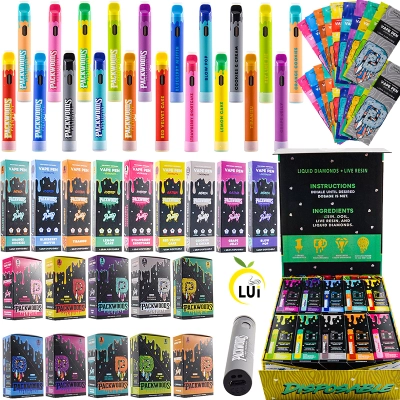
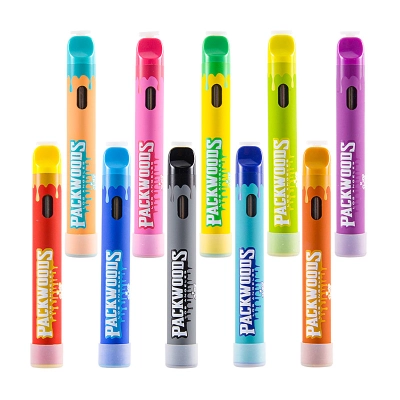
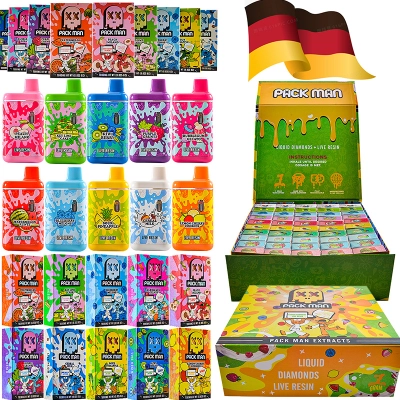
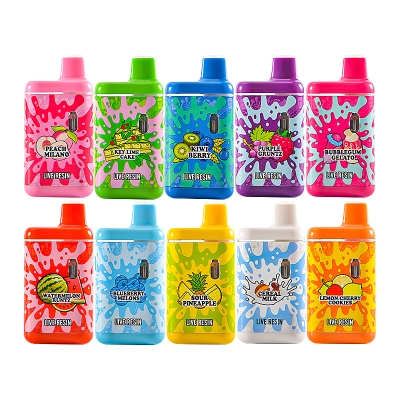
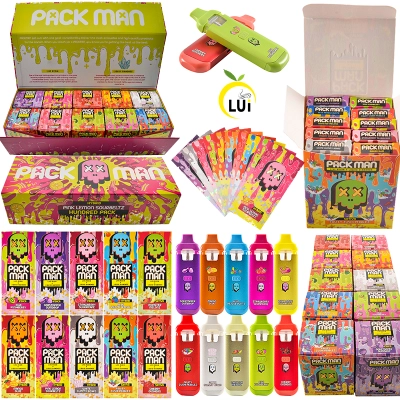
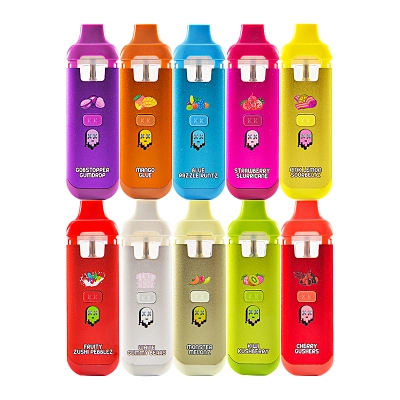
Device layout is not just about aesthetics. It is how the page communicates function, orientation, and product identity in a matter of seconds. Readers notice body shape, mouthpiece placement, chamber visibility, screen or indicator placement, brand label hierarchy, and how the front-facing photo frames those elements. Even when two products are close in concept, a different layout can create a very different impression. Some devices look minimal and compact, while others look more engineered and feature-forward. A good blog post should teach readers how to spot those differences instead of relying on vague adjectives like “premium” or “advanced.”
For example, a page linked through wholemelt disposable should immediately answer a simple reader question: what kind of physical format am I looking at? Is the device presented as a straightforward one-body disposable, or is it grouped with more feature-heavy options that place more attention on visible hardware structure? The way that answer is communicated depends on layout. Strong product content uses image order, bullet hierarchy, and consistent naming to make the format obvious without forcing the reader to decode every detail manually.
Understanding Format: Why It Matters More Than Hype
“Format” is one of those words that gets used casually, but it does a lot of work. In a blog context, format can refer to the overall product category, the housing style, the chamber structure, and even the way information is arranged on the page. Readers often search for a version number expecting exact specifications, but what they usually need first is a clearer understanding of the product format itself. Is this a simpler portable body? A multi-section design? A layout that emphasizes flexibility, switching, or visual differentiation? Once readers understand the format, the rest of the page becomes much easier to interpret.
This is where a dedicated supporting page for dual chamber disposable devices can become useful. Even if the blog is centered on Whole Melts V8, readers often compare what they are seeing against broader hardware formats. A dual-chamber reference gives them a framework: two sections, a more distinct internal split, and a different visual logic from a standard single-body disposable. Whether or not a specific listing is positioned that way, readers benefit from understanding the category distinction before they try to judge a page by photos or short product summaries alone.
What Readers Usually Mean by “Whole Melts V8”
In practice, people using the phrase “Whole Melts V8” are often asking more than one question at the same time. They may be asking whether the page reflects a newer generation of hardware styling, whether the format is similar to other disposable models they already know, and whether the visible layout suggests a more specialized or more mainstream build. That is why a good blog post should not lock itself into a narrow feature list. A more useful approach is to explain what readers are likely trying to confirm when they search the term: body layout, format cues, chamber arrangement, visual design, and how to navigate related pages without confusion.
A second helpful internal pathway is a more descriptive anchor like Whole Melt disposable vape pens. This phrasing tends to read more naturally inside editorial content, and it can help both users and search engines connect the broad brand term with a more specific device-format page. The key is to keep the link contextual. Instead of dropping anchors randomly, place them where a reader would genuinely want more detail. Internal links work best when they feel like the next logical step in the explanation.
Common Questions Readers Ask About Layout and Format
One of the biggest reasons to publish a blog like this is that readers often arrive with the same cluster of questions. They want to know how to recognize the layout from images, what makes one format look different from another, and whether certain visible cues suggest a particular device category. They also want to know which page on the site is meant to be the broad reference page and which pages are intended for a narrower format. If your site does not answer those questions clearly, users bounce, and even strong product pages feel harder to navigate.
Here are some of the most common questions behind searches like this:
- Is this page meant to describe a broad brand family or one specific disposable format?
- Does the device layout look like a standard single-body disposable or something more segmented?
- Where should I go next if I want the broader disposable category instead of one version reference?
- How can I compare body shape and chamber arrangement across related pages?
- Which internal page best explains the hardware style in plain language?
A good article does not have to answer those questions with lab-level detail. It only needs to help readers interpret what they are seeing and give them confident next steps. That is why page structure matters almost as much as the article text itself. Clear headings, short explanatory sections, and a few well-placed internal links can do more for usability than a long block of promotional wording.
How to Write This Topic So It Feels Helpful, Not Mechanical
The biggest mistake with version-based device content is treating it like a template. If every article follows the same pattern with only a version number swapped in, readers notice immediately. Search engines do too. A stronger approach is to write from the reader’s point of view. Start with what they are trying to understand. Break the post into sections that reflect real intent: layout, format, visual interpretation, internal navigation, and common questions. This makes the article easier to read and gives your internal links a real purpose.
Another useful tactic is to explain the differences between broad category pages and narrow format pages. A reader who lands on a high-level brand page may want orientation first, while someone who lands on a specialized hardware page may want a format explanation immediately. Internal linking can bridge that gap. A phrase such as dual chamber vape works well when you are discussing the structural logic of multi-section layouts, especially if the surrounding paragraph is already explaining how readers compare chamber arrangements visually. That kind of link supports the article instead of distracting from it.
Why This Topic Supports Better Site Structure
Beyond the single blog post, this topic can improve overall site organization. It helps define what each internal page is supposed to do. The broad brand page can anchor the topic. The disposable page can own the straightforward format language. The dual-chamber page can handle comparison-oriented readers who are thinking in terms of layout and segmentation. When those roles are clear, your content stops competing with itself and starts acting like a small ecosystem. That is valuable for readers, and it is just as valuable for SEO because the site’s internal meaning becomes easier to follow.
This is also why anchor text choice matters. Short anchors like “wholemelt” can be useful for broad context, but descriptive anchors often perform better inside long-form content because they tell the reader more before the click happens. The balance matters. Use short anchors where the surrounding sentence already provides enough meaning, and use fuller anchors where the destination needs more context. The result feels more natural and more editorial.
Final Take
Whole Melts V8 is a strong blog topic not because it invites a generic product summary, but because it opens the door to a more useful explanation of layout, format, and page interpretation. Readers looking up a versioned device page are usually trying to answer simple but important questions: what kind of device am I looking at, how is the format organized, and where should I go next if I want broader or more specific information? A good article answers those questions clearly and uses internal links to reduce friction.
If you publish this topic well, the page can do three jobs at once. It can educate readers, strengthen site structure, and support more precise internal linking across related categories. That combination is what makes a blog post worth keeping. Instead of becoming another thin page in a crowded niche, it becomes a practical guide that helps people understand what they see, compare formats more confidently, and navigate the site with less guesswork.
0 Comments