
Whole Melt Phase 5: Hardware Notes for Retail Product Pages
Retail product pages for vape hardware should do more than repeat a model name and a price. For wholesale buyers, store operators, and category managers, the most useful pages explain what the device is, how the hardware is configured, what documents should be checked before distribution, and how the page helps a buyer compare similar empty disposable devices. This is especially important for dual-chamber formats such as phase 5 whole melt, where the product page needs to communicate capacity, battery format, charging method, display features, packaging expectations, and compliance-sensitive handling notes in a clear, adult-market, B2B style.
```The goal of this guide is not to make medical, lifestyle, or consumption claims. It is to help retailers create cleaner product pages for empty hardware devices. A good page should help licensed business buyers understand what is being ordered, how it fits into a retail assortment, and what questions should be confirmed before purchase, filling, transport, storage, or display. In regulated categories, precise hardware information is more valuable than exaggerated promotional language.
```1. Start With a Clear Hardware Identity
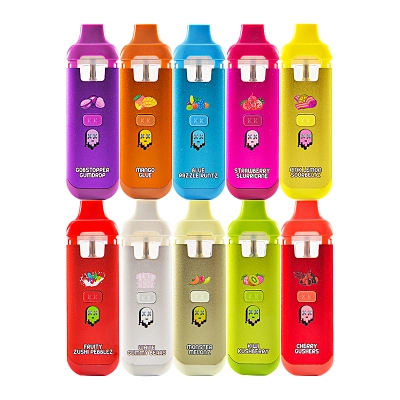
A retail product page should identify the device type immediately. For Phase 5 Whole Melt, the key hardware identity is a dual-chamber disposable format with a 1ML+1ML configuration, a total 2ML oil-capacity structure, a 450mAh battery, Type-C charging, packaging, and an LED screen. These details should appear near the top of the page because they answer the questions buyers usually ask first: What is the capacity? Is it single chamber or dual chamber? Is it rechargeable? Does it include display functionality? Is it sold as empty hardware for wholesale use?
```For search and user experience, the title should remain concise and descriptive. “Whole Melt Phase 5: Hardware Notes for Retail Product Pages” works because it places the topic at the front, avoids keyword stuffing, and signals that the article is an informational guide rather than a consumer-use pitch. Product titles can still use the model name, but supporting content should explain the hardware in plain language.
```2. Explain the Dual-Chamber Format Without Overpromising
Dual-chamber devices are typically presented as a way to separate two tanks or two formulations in one unit. For retail pages, the important point is not to promise a superior experience, but to explain what the structure means for merchandising and product comparison. A buyer may want to know whether the product has two 1ML sections, whether each chamber is visually clear, whether the mouthpiece and airflow are designed for balanced output, and whether the device has clear markings for SKU control.
```When writing product content, keep the language technical and verifiable. Instead of saying “the best dual-flavor device,” use wording such as “1ML+1ML dual-chamber configuration designed for buyers comparing two-tank disposable formats.” That phrasing is more credible, easier to translate across markets, and less likely to create compliance problems. Retailers can also compare this format with broader dual chamber vape hardware categories when building a product page cluster.
```3. Put Battery and Charging Details Where Buyers Can Find Them
Battery information should not be hidden in a long paragraph. A 450mAh battery and Type-C charging port are practical specifications that belong in a visible bullet list or product table. If the product page has a “Specifications” tab, the same details should also appear in the main body so they are visible to shoppers, search engines, and site visitors who do not open every tab.
```For retail product pages, battery language should remain careful. Avoid broad claims such as “safe battery” or “guaranteed performance.” A better approach is to state the battery capacity, charging style, and documentation buyers should request, including transport and battery test documentation where applicable. Since many disposable devices contain lithium-ion cells, distributors should verify shipping classification, packaging instructions, battery test summaries, and destination-market rules before moving inventory. This is a buyer-education point, not a sales slogan.
```4. Use LED Screen Notes as a Feature Description, Not a Gimmick
LED screens are now common across many disposable hardware lines, but the feature should be described in practical terms. A retail page can explain whether the screen is used for power indication, usage status, or general device visibility. The page should avoid claims that cannot be verified, such as “perfect control” or “smartest screen.” Instead, describe the screen as a hardware-display feature that helps distinguish the SKU from non-screen devices.
```For internal linking, screen-related mentions can support a broader category page such as LED screen vape devices. This type of link is helpful because it sends users to a relevant comparison category rather than forcing every visitor to stay on a single product page. It also helps build a cleaner site structure around hardware attributes.
```5. Keep Flavor Mentions Secondary and Compliance-Sensitive
Some product pages list flavor names because the packaging or device artwork may be tied to a flavor set. However, a hardware-focused blog should not make flavor the center of the title, introduction, or call to action. In many markets, flavor-forward marketing can be sensitive because regulators and public-health agencies closely watch whether marketing is attractive to youth. A safer retail-page approach is to keep flavor lists factual, place them lower on the page, and avoid language that sounds like candy advertising, lifestyle promotion, or youth-oriented branding.
```If flavor names are necessary for inventory matching, present them as SKU identifiers or package-version references. Retail pages can say that the model is offered in multiple printed package versions and that buyers should confirm artwork, local labeling requirements, and inventory availability before placing a bulk order. This keeps the page useful for business buyers while reducing unnecessary promotional risk.
```6. Build a Product Page Table for Faster B2B Review
A strong retail product page should include a simple table. The table can include device name, oil capacity, chamber layout, battery capacity, charging port, screen feature, packaging status, MOQ, warehouse status, and buyer notes. This helps wholesale customers compare similar devices without reading every paragraph. It also makes the page more scannable on mobile, where many buyers review product lines quickly before contacting a supplier.
```| Retail Page Field | Recommended Entry |
|---|---|
| Device Type | Empty disposable vape hardware |
| Capacity Format | 1ML+1ML dual chamber, 2ML total structure |
| Battery | 450mAh, verify documentation before distribution |
| Charging | Type-C rechargeable format |
| Display | LED screen hardware feature |
| Buyer Note | For licensed adult-market business buyers; confirm local rules before resale |
7. Use Internal Links to Support Search Intent
Internal links should be helpful to both users and search engines. The anchor text should describe the destination page naturally, and every link should make sense in the sentence where it appears. For this article, the core product link points to the Phase 5 page, while broader category links point to the relevant Whole Melt and hardware collections. This gives readers a logical path: first understand the hardware notes, then compare the product, then browse related categories.
```For example, a buyer who wants a broader brand-category view can browse the whole melt collection, while a buyer comparing ready-to-display empty disposable formats can review the whole melt disposable category. This type of internal linking is more natural than repeating the same exact anchor five times. It also reduces the risk of over-optimization.
```8. Add Documentation and Verification Notes
Retail product pages should include a short verification section for business buyers. This section can remind buyers to confirm product photos, current packaging, warehouse location, quantity breaks, battery documentation, shipping method, and destination-market restrictions before ordering. For empty hardware, the buyer may also need to confirm material compatibility, filling process, storage conditions, labeling requirements, and whether the device will be used in a market that requires testing or special packaging.
```Documentation language is important because vape hardware is not an ordinary accessory. It may include a lithium-ion battery, electronic components, a heating element, a mouthpiece, and packaging that is later paired with regulated contents. A responsible product page should therefore distinguish between what the supplier can state about the hardware and what the buyer must verify based on local law and end-use.
```9. Avoid Claims That Create Retail Risk
Retail pages should avoid unsupported claims such as “safe,” “healthy,” “clean,” “medical grade,” “risk free,” or “approved” unless the seller can provide documentation and the claim is legally allowed in the target market. Even when a device is sold as empty hardware, the final retail product may be regulated depending on how it is filled, labeled, packaged, shipped, and sold. A better editorial standard is to use neutral hardware language: capacity, chamber structure, battery rating, charging method, display feature, packaging, and buyer verification.
```Also avoid language that suggests use by minors, school-age customers, or nonadult audiences. Images, colors, and product copy should be reviewed in context. If the product is intended for licensed adult-use channels, the page should say so. If it is intended for wholesale buyers, the page should focus on procurement details, not lifestyle messaging.
```10. Suggested On-Page SEO Structure
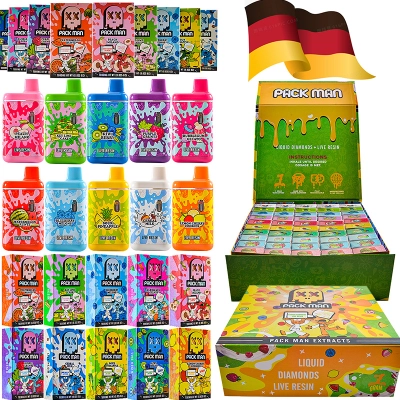
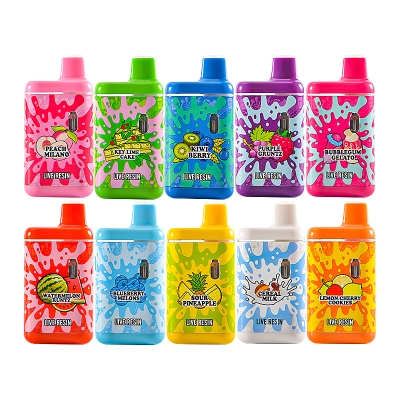
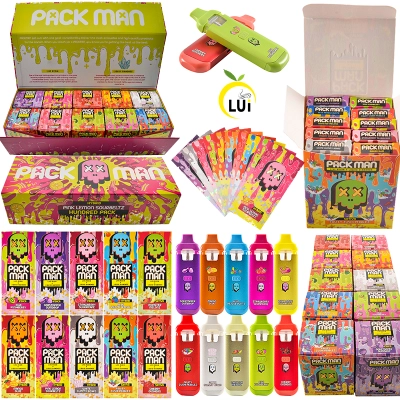
The final blog page should use one H1 that matches the title, followed by H2 sections that answer real buyer questions. The meta description should summarize the page as a hardware guide, not a sales pitch. Image alt text should describe what is visible, such as “Phase 5 Whole Melt 1ML+1ML empty disposable device with LED screen,” rather than stuffing repeated keywords. The product link should appear early, but not in every section. Category links should appear where they add comparison value.
```For best results, the blog editor should also support a canonical URL, clean slug, readable formatting, compressed images, and mobile-friendly tables. Suggested slug: whole-melt-phase-5-hardware-notes-retail-product-pages. Suggested meta description: Retail product page notes for Whole Melt Phase 5 hardware, including 1ML+1ML dual-chamber structure, 450mAh battery, Type-C charging, LED screen details, and B2B compliance reminders.
Conclusion
Whole Melt Phase 5 content should be written as a practical hardware reference for business buyers. The strongest retail product pages are specific, structured, and careful: they explain the 1ML+1ML dual-chamber format, 2ML capacity structure, 450mAh battery, Type-C charging, LED screen feature, packaging status, and buyer verification steps without making unsupported health, safety, or lifestyle claims. With clear headings, concise title text, and five relevant internal links, the page can support both search visibility and responsible B2B product discovery.
0 Comments