
The 1010 Boys Disposable: What Adult-Market Buyers Verify on the Product Page
This article is intended for adult-market business readers who want a clearer way to review product pages before sending an inquiry. Instead of using hype-heavy language, a stronger wholesale blog should help readers verify the basics: what the line appears to be, how the format is positioned, whether the page feels organized for business use, and whether the content supports a practical comparison process. In other words, the goal is not to push a fast decision. The goal is to make the page easier to assess.
That is especially important when the topic is a format-specific page such as the 1010 boys disposable. Buyers, catalog managers, and distribution-side reviewers usually do not begin with excitement alone. They begin with verification. They want to understand whether the page clearly identifies the product family, whether the hardware format is easy to classify, and whether the listing gives enough structure to compare the line with other devices already under review.
1. Product identity should be clear immediately
The first thing a careful reader checks is whether the page explains what it actually represents. Is it a brand-family hub, a disposable format page, or a single-device listing? If that is unclear, the page becomes harder to use in procurement discussions. Teams reviewing multiple suppliers need page-level clarity because they often forward links internally. A page that defines its role from the first screen is easier to understand, easier to compare, and easier to save for later review.
That is why it helps to connect the format page back to the broader family page for context. A clean internal step to the parent line such as the 1010 boys gives readers a better sense of whether they are looking at a standalone item or one part of a wider range. This kind of structure improves page logic and reduces confusion when a buyer is sorting products by brand family, format, or device style.
2. Business readers look for structure before they look for claims
Well-informed readers rarely trust a page that is built only around excitement words. What they tend to value more is structure: a clear title, a readable first paragraph, consistent naming, and product language that sounds useful rather than exaggerated. A well-built article should help a business reader answer simple but important questions. What category does this fit into? What kind of shelf or catalog role could it play? Does the page make the product easier to review, or does it make it harder?
When blog copy is too aggressive, it often creates the opposite of confidence. It can make a page feel less ready for internal review because the reader has to strip away opinion to find the facts. A better approach is to keep the tone measured and practical. That makes the content easier to send to a teammate, easier to cite in a sourcing discussion, and easier to compare against other device pages.
3. Readers verify design consistency and presentation cues
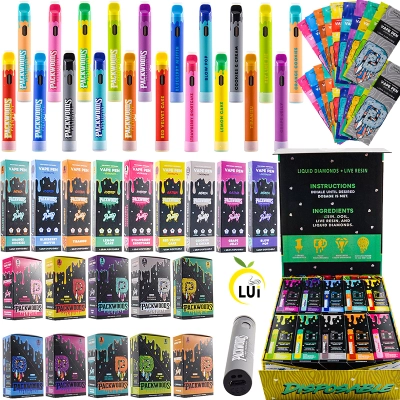
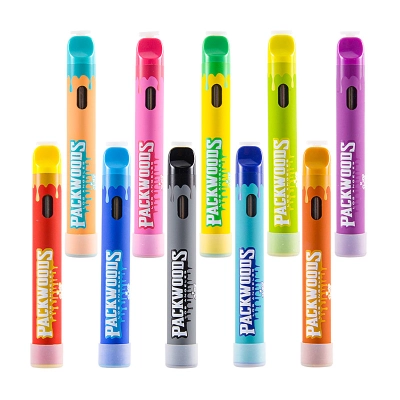
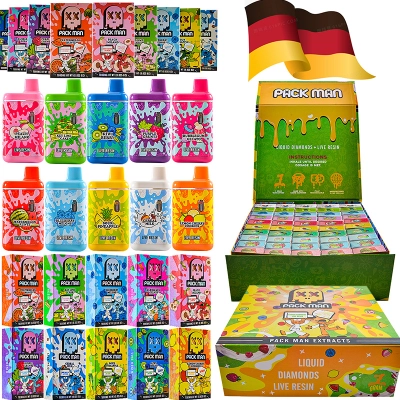
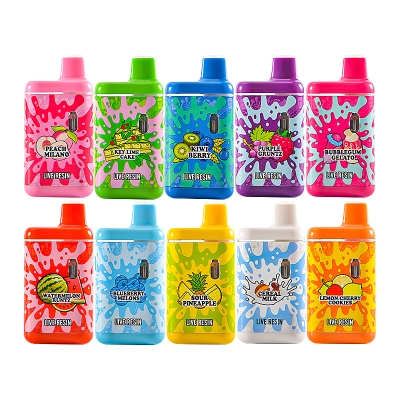
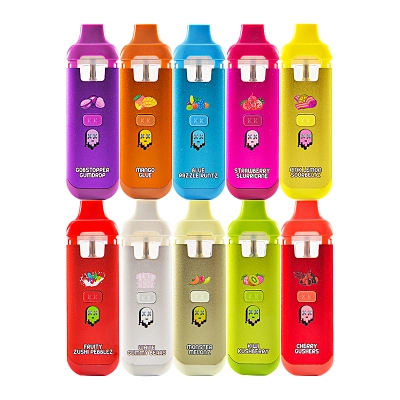
Another thing experienced buyers verify early is whether the hardware presentation looks consistent. This is not the same as making performance claims. It is simply about whether the device appears organized and market-ready from a visual and merchandising perspective. Readers often notice things such as body shape consistency, visible finish quality, mouthpiece alignment, and whether the page presents the device in a way that suggests repeatable production standards rather than one-off novelty.
Even at the blog level, it is useful to mention these verification points because they match how actual reviews happen. Many readers are not trying to make an immediate purchasing decision from the article itself. They are trying to decide whether the line deserves a closer look, whether a sample request would make sense, and whether the product page seems detailed enough to support further conversation.
4. Format comparison matters more when the page offers navigation
Good internal linking helps readers compare device families without leaving the site. That matters because business users almost never assess one page in isolation. They compare across hardware styles, feature sets, and visual formats. A buyer who starts on a disposable page may also want to compare that line with a display-forward category such as LED screen vape. Internal navigation like this improves discovery and makes the site feel more useful as a review environment, not just a product archive.
From an editorial perspective, this is one of the strongest reasons to add exactly a few relevant internal anchors rather than many weak ones. The right links help the reader move logically: from family context, to specific format, to adjacent hardware category. That creates a more natural evaluation path and gives the page more long-term utility.
5. Packaging readiness and page discipline influence trust
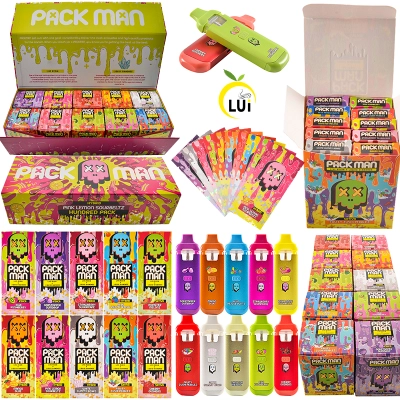
Professional readers also verify whether the page sounds like it was written for business use. A page can look modern and still feel unstructured if it does not communicate with discipline. Good wholesale-oriented copy should reflect a few fundamentals: organized wording, format clarity, easy scanning, and language that leaves room for packaging review, labeling review, and internal approval processes. When an article does that well, it supports trust without relying on hard-sell phrasing.
This is also where many product pages either gain or lose credibility. If the article feels too casual, too exaggerated, or too vague, it becomes harder for a reader to treat it as part of a serious sourcing workflow. If it feels organized, the page becomes much easier to save, share, and discuss with a colleague.
6. A useful page reduces follow-up friction
One of the best tests for blog quality is simple: does the article reduce unnecessary follow-up questions? A useful product-page article should not attempt to answer every possible detail, but it should make the next step more focused. Instead of forcing a reader to ask what the page is about, it should help them ask better questions: What are the packaging options? What is the format logic? Is the line consistent enough to compare with other shortlisted products? Does the product family match our current catalog direction?
That is why the strongest version of this topic is not a purchase-first article. It is a verification-first article. It helps the reader understand the page, evaluate the format, and decide whether the line belongs in a more serious review process.
Conclusion
A good article about this product family should help adult-market readers verify clarity, structure, design consistency, and category fit before they ever move to the next conversation. The page becomes more useful when it frames the line in plain language, keeps the tone professional, and connects readers to a small number of relevant internal destinations. Done well, that turns a simple blog post into a practical business asset: easier to scan, easier to compare, and easier to use in a real review workflow.
0 Comments