
Sherbinskis Pre Roll Near Me: Building Location Landing Pages That Actually Help Buyers
Meta Title: Sherbinskis Pre Roll Near Me: Better Local Pages
Meta Description: Learn how wholesale buyers and distributors can build useful location landing pages around Sherbinskis pre roll searches without creating thin, repetitive, or misleading local SEO pages.
Searches like “Sherbinskis pre roll near me” usually come from buyers who want fast answers. They may be looking for product availability, wholesale packaging details, pickup options, shipping regions, compliance information, or a trusted supplier that understands the category. For a wholesale website, the opportunity is not simply to repeat the phrase “near me” across dozens of pages. The real goal is to build landing pages that match local buying intent with clear, useful, and accurate information.
That distinction matters. A strong location landing page should help a buyer make a decision. A weak one only swaps one city name for another and pushes every visitor to the same generic product page. For a category such as Sherbinskis-style preroll packaging, buyers need more than a keyword. They need to understand the product format, pack size, tip material, ordering process, wholesale fit, and how the supplier supports distributors, smoke shops, packaging buyers, or compliant adult-use retailers in their region.
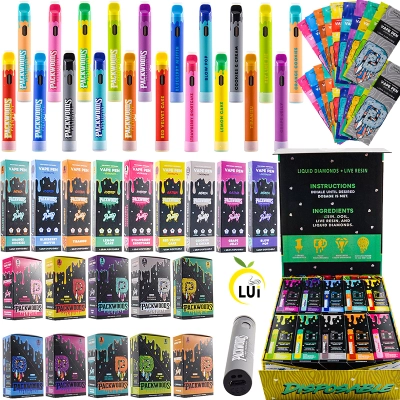
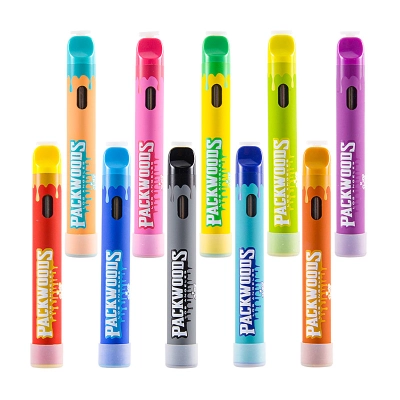
For buyers comparing options, Lueciga’s product page for Sherbinskis pre roll near me is a useful internal destination because it points directly to the Sherbinskis Preroll With Ceramic Tips Wholesale item. A location page can introduce the local buying problem, explain what type of buyer the product is suitable for, and then link naturally to the product page when the reader is ready to view specifications.
Why “Near Me” Pages Need Real Local Value
The phrase “near me” does not always mean the buyer wants a physical store around the corner. In wholesale search behavior, it often means the buyer wants a supplier that can serve their market quickly and reliably. A distributor in California, a smoke shop buyer in New York, or a packaging reseller in Texas may all search locally, but each page should answer different questions if you want the content to be useful.
For example, a California-focused page might discuss compliant sourcing, fast replenishment, and packaging styles popular with local retailers. A New York-focused page might focus on inventory planning, wholesale order preparation, and how ceramic-tip preroll formats can support premium shelf presentation. A national page might explain when buyers should choose bulk boxes, how to compare tip materials, and how to plan reorder cycles. Each version should contain original information that would still be useful even if the search engine did not exist.
The safest way to build location landing pages is to start with a real buyer persona. Ask what that person needs to know before contacting a supplier. Does the buyer need product dimensions, minimum order information, box capacity, material details, shipping expectations, or category alternatives? If the page answers those questions clearly, the location keyword supports the content instead of replacing it.
How to Structure a Sherbinskis Location Landing Page
A good page begins with a concise H1 that matches the page intent. For example: “Sherbinskis Pre Roll Near Me for Wholesale Buyers in [Location].” The title should not promise a local storefront unless there is a real storefront. It should not claim same-day pickup, local inventory, or legal availability unless those facts are accurate and verifiable. In restricted or age-regulated categories, clarity is especially important because buyers need to follow local laws and business requirements.
Below the H1, include a short introduction that explains who the page is for. A strong opening might say that the page is designed for wholesale buyers, packaging distributors, and retailers researching Sherbinskis-style preroll packaging options. This helps filter the audience and reduces confusion between consumer product searches and wholesale packaging searches.
The next section should explain the product category in practical terms. Instead of repeating the keyword, describe why buyers compare ceramic tips, box capacity, empty preroll paper formats, and wholesale case planning. This gives the page substance and helps readers understand whether the product fits their business model.
Then add a local relevance section. This is where many SEO pages fail. Do not simply list neighborhoods, zip codes, or city names. Instead, explain regional buyer needs: delivery planning, reorder timing, retailer presentation, compliance awareness, or product assortment strategy. If you cannot write something unique for a location, that is a sign the page may not deserve to exist.
Internal Linking Strategy for Sherbinskis Pages
Internal links should guide the reader from education to action. A location article can first explain the problem, then point to the most relevant product or collection. For readers who want to compare the broader category, link to the Sherbinskis collection page. This helps buyers see related Sherbinskis products instead of forcing them into one item too early.
Use anchor text that describes the destination page. “Click here” is weak because it gives no context. “Sherbinskis” is better for a collection page, while “Sherbinskis pre roll near me” can work when the surrounding sentence clearly discusses local wholesale search intent. The anchor should feel natural in the sentence and should not be repeated excessively.
A third useful internal link can point back to the same product page with a more specific buying-intent anchor, such as Sherbinskis Preroll With Ceramic Tips Wholesale. This gives the page a second contextual path to the product without stacking links side by side. The first link addresses search intent; the second link addresses product specificity.
Content Elements That Make the Page Stronger
Every location landing page should include a product overview, buyer use cases, practical ordering notes, and a compliance reminder. For wholesale buyers, useful content may include pack-size planning, storage considerations, how ceramic tips affect presentation, and how buyers can compare preroll packaging with disposable vape or cartridge packaging categories.
It is also helpful to include a short FAQ section. Good FAQ questions include: “Is this page for retail consumers or wholesale buyers?” “What should distributors check before ordering?” “How do ceramic tips differ from standard paper tips?” “Can buyers request current availability before planning a reorder?” These questions are practical and reduce friction.
A page should also be honest about inventory. If a product is sold out, do not write a title that implies immediate availability. Instead, the page can encourage buyers to check current stock, compare related Sherbinskis options, or contact the supplier for updates. Accuracy builds trust, especially in wholesale categories where buyers are planning repeat orders.
Recommended Title Formula
For this topic, a good SEO title formula is: “Sherbinskis Pre Roll Near Me: Wholesale [Location] Guide.” If you are not targeting a specific city, use a broader title such as “Sherbinskis Pre Roll Near Me: Wholesale Buyer Guide.” Keep the title descriptive and avoid unnecessary adjectives like “best,” “cheapest,” or “number one” unless you can prove the claim.
The page H1 can be slightly more explanatory than the meta title. For example, the H1 used in this article works because it explains the page’s purpose: building location landing pages that actually help buyers. This supports the keyword while making the article useful for marketers, distributors, and wholesale buyers.
Final Takeaway
“Sherbinskis pre roll near me” can be a valuable keyword theme, but it should be handled carefully. The winning approach is not to create hundreds of thin city pages. The winning approach is to create fewer, better pages that answer real local buying questions, use accurate product information, and connect readers to relevant internal pages with descriptive anchor text.
For Lueciga, the strongest content path is simple: educate buyers about wholesale location-page intent, explain the Sherbinskis preroll product format, link naturally to the product page, and offer the broader Sherbinskis collection for comparison. That structure supports SEO, improves user experience, and keeps the content useful beyond the keyword itself.
0 Comments