
Platform Deep Dive (B2B): Sluggers Dual Shell Build, Airflow Design & Battery Options
Audience: wholesalers, OEM/ODM buyers, packaging teams, and licensed filling partners evaluating empty disposable hardware for scale.
Scope: This article discusses empty hardware only. It does not cover filling formulas, finished retail compliance, or end-user consumption.
For procurement teams, a strong platform decision is rarely about branding alone. It is about whether a device family can hold up across sourcing, filling, transport, retail handling, and repeat purchase cycles. That is the right lens for evaluating sluggers as a hardware platform rather than as a simple catalog name.
On Lueciga, the Sluggers line is presented across multiple entry points, which is useful for B2B analysis. The category structure shows a standard 1g and 2g lineup, a dedicated sluggers disposable landing page, and also dual-chamber variants such as 1ml + 1ml empty devices and stocked 2ml dual-chamber versions. That tells buyers something important immediately: this is not a one-SKU family. It is a platform that can be extended across different shell formats, battery configurations, and merchandising strategies.
For a wholesaler, that flexibility is attractive only if the underlying hardware logic is coherent. A good platform should make sense in both single-reservoir and split-reservoir form, while keeping shell tolerances, airflow behavior, charging stability, and visual consistency under control. This is where a platform deep dive becomes more useful than a short product listing.
1) Reading the Sluggers Family as a B2B Platform
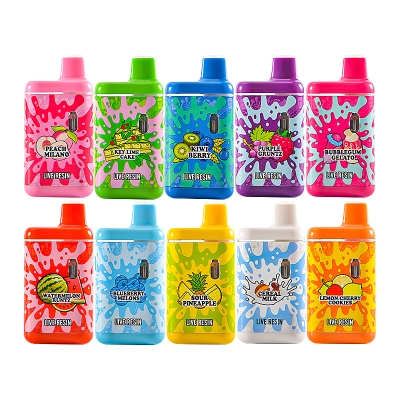
The public Sluggers 2g product page already gives buyers a practical baseline: a 2g empty device with package, a 360mAh battery, Type-C charging, and a flavor lineup positioned in 10 colorways. For sourcing teams, those numbers are not just for merchandising. They create the first technical benchmark for runtime expectations, charging behavior, carton planning, and assortment positioning.
What matters even more is that the platform is not locked to one architecture. On the broader Sluggers category pages, Lueciga also lists “Sluggers Hitz 1ml +1ml Disposable Dual Chamber Empty Devices” and a USA stock dual-chamber 2ml version. In other words, buyers can view the family in two workable directions: a conventional 2g all-in-one format, or a split-capacity format designed to serve dual-chamber product concepts.
That distinction matters because B2B customers are not all solving the same problem. Some want the most straightforward 2g-class format for higher-volume filling and simple SKU planning. Others want a differentiated shell that supports two distinct chambers, more visual storytelling, or a more premium retail presentation. The Sluggers range appears to support both pathways, which increases platform usefulness but also raises the standard for quality control.
Teams that need a more purchase-oriented background document can also align this article with Sluggers 2g Empty: MOQ, Specs & Lead Times so editorial messaging and procurement language stay consistent across the site.
2) Dual Shell Build: Why the Housing Strategy Matters
In B2B hardware selection, the shell is more than aesthetics. It shapes survivability in transit, tactile perception at retail, label fit, leak-risk control, port alignment, and the overall return profile of a device line. When you move from a standard 2g unit into a dual-chamber concept, shell complexity rises. You are no longer evaluating only one reservoir path and one external silhouette. You are evaluating how well the device integrates multiple internal zones while still looking clean and handling like a single finished product.
From a buyer’s perspective, the Sluggers dual-shell idea should be reviewed through five practical checkpoints: seam consistency, mouthpiece seating, chamber-to-chamber balance in assembly, base stability, and charging-port finish. These are the details that determine whether a device feels mass-produced in a good way or mass-produced in a risky way.
The category structure suggests that Lueciga treats dual chamber as a meaningful sub-platform rather than a one-off experiment. Their broader dual chamber disposable category describes this format as a device with two separate tanks or coil systems in a single unit. That matters operationally. Once a device contains two distinct internal paths, B2B buyers should expect more variables in assembly precision, airflow balance, and draw consistency than with a standard one-chamber device.
This does not automatically make dual-shell hardware less reliable. It simply means your approval process should be stricter. Request production samples from the same finish standard expected in bulk, then compare shell tone, visual symmetry, chamber alignment, and mouthpiece fit across multiple units—not one hero sample. If appearance varies too much across samples, scaling the program will usually magnify that inconsistency.
3) Airflow Design: The Quiet Variable That Shapes Complaints
Many buyers focus heavily on battery size and exterior design while treating airflow as a secondary issue. In real-world distribution, that is usually backwards. Airflow consistency drives user perception immediately. A device can have attractive branding and a clean shell but still underperform if some units pull too tight, some too loose, and others feel unbalanced chamber-to-chamber.
With a standard 2g Sluggers configuration, the airflow task is relatively straightforward: the internal path should support stable draw resistance, predictable activation, and acceptable consistency across lots. With a dual-chamber variant, airflow design becomes more nuanced because the platform concept introduces two separate internal systems. Even if the user experiences the device as one product, manufacturing tolerance can affect how evenly those internal paths behave.
For B2B buyers, the right response is not guesswork. Build a pass/fail airflow routine into your incoming QC. Compare multiple samples from the same lot. Test whether the draw feels repeatable, whether activation is clean, and whether one chamber appears noticeably different from the other in a dual build. If a device family is meant to scale, the draw should feel engineered—not random.
This is also where editorial content can support commercial clarity. If your team links readers from educational posts into the core product catalog, it helps to reference the actual 2g Sluggers Hit Disposable Vape Wholesale page so traffic moves from top-of-funnel platform education into a specification-led product page that already states capacity, battery, and charging basics.
4) Battery Options: What the Public Specs Suggest
Lueciga’s 2g Sluggers page publishes a clear electrical baseline: 360mAh battery capacity and Type-C charging. For buyers, that creates a useful starting point because it ties the platform to a modern charging interface and a battery class that fits a compact 2g all-in-one position. In simple terms, the product is not being framed as a minimal, no-frills one-gram format only; it is positioned with enough battery language to support a more serious 2g-class offering.
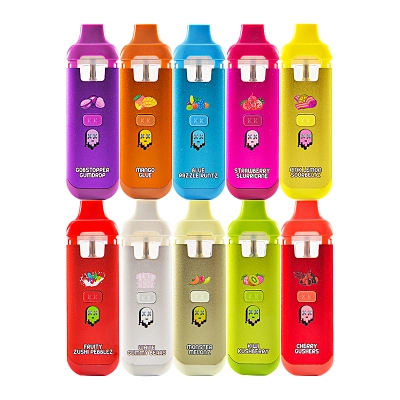
That said, platform buyers should not assume every Sluggers variant shares the exact same power setup. Once you move into dual-chamber, screen-equipped, or warehouse-stock versions, the responsible procurement step is to confirm whether the battery and board remain identical or have been adjusted for the new housing, activation profile, or display load. Category pages can show you that variants exist; only a verified specification sheet can tell you whether the internals stayed the same.
This is why “battery options” in a B2B context means more than asking for a bigger cell. It means asking which shell supports which board, whether screen versions carry a different power budget, whether Type-C implementation remains consistent across the line, and whether the quoted capacity has been validated across production lots rather than appearing on one sales sheet only.
For wholesale buyers, the ideal battery conversation should cover five points: nominal capacity, charge-port standard, charge acceptance consistency, storage stability, and any platform differences between single-chamber and dual-chamber builds. That gives your team a better decision framework than comparing milliamp-hour numbers in isolation.
5) A Practical QC Checklist for Sluggers Dual Programs
A solid B2B hardware order should move from listing page to internal spec sheet to sample approval to pre-shipment inspection. For Sluggers dual-shell projects, a useful QC checklist can include the following:
- Shell finish: coating consistency, no obvious scratches, glue residue, or uneven assembly lines.
- Mouthpiece fit: secure seating with no looseness, tilt, or visible gap.
- Chamber symmetry: balanced visual alignment in 1ml + 1ml dual formats.
- Airflow repeatability: no major unit-to-unit drift in draw resistance.
- Activation stability: consistent response under repeated testing.
- Charging reliability: Type-C insertion fit, charging start behavior, and port centering.
- Battery verification: confirm the approved capacity and board version for the exact SKU ordered.
- Packaging accuracy: artwork, inserts, carton count, SKU label, and master-case marking all match the PO.
- Lot traceability: retain batch coding and sample references for after-sale investigation if needed.
The goal is not to overcomplicate the purchase. The goal is to make the platform repeatable. A device family becomes attractive to B2B buyers when the same shell logic, airflow behavior, and charging standard can be approved, reordered, and scaled with fewer surprises.
6) Final Takeaway for Wholesalers
The Sluggers line is best understood as a flexible hardware platform, not a single-item listing. Public pages show a credible single-chamber 2g baseline and also indicate a parallel path into 1ml + 1ml dual-chamber hardware. For B2B buyers, that opens useful assortment choices: standard 2g simplicity for broad programs, or dual-shell differentiation for brands that want a more layered product story.
The right choice depends on your fill workflow, your target retail channel, and how much complexity your QC system is ready to manage. If your priority is straightforward scale, the standard 2g baseline may be easier to control. If your priority is platform differentiation, dual-chamber Sluggers variants may offer stronger shelf distinction—but only when shell precision, airflow balance, and battery verification are tightly managed.
In other words, the commercial upside of the Sluggers platform is real, but it comes from disciplined purchasing. Buyers should not stop at the product title. They should translate public specs into an internal approval standard, validate whether single and dual versions share the same electrical assumptions, and hold each lot to the same shell and airflow benchmarks. That is how a category page becomes a repeatable wholesale program.

0 Comments