
Platform Deep Dive (B2B): Cookies x The Freak Brothers Collab Shell Build, Airflow Design & Battery Options
Scope note: This article focuses on empty hardware, platform design, and wholesale catalog planning. It does not discuss filling, formulation, or consumer-use claims.
In a mature B2B hardware catalog, a platform is never just a shell with a logo on it. Buyers compare shape, visual identity, airflow behavior, battery format, recharge convenience, and how clearly a device can be explained to retail partners before they ever look at price. That is why a collaboration-style platform like Cookies x The Freak Brothers deserves to be evaluated as a complete hardware system rather than as a single trend-driven SKU. For distributors, brand teams, and procurement managers, the real question is not whether the platform looks good in a hero image. The real question is whether its shell architecture, air-path design, and power setup create a clean enough decision story to justify its place in the lineup.
On Lueciga, this discussion matters because the platform sits between two worlds. On one side, buyers have broad category pages and familiar device families that emphasize speed of sourcing and straightforward replenishment. On the other side, they have collaboration-led and design-led shells that are expected to do more than simply function. They are expected to carry recognizable visual language, support stronger product storytelling, and occupy a more premium position in a wholesale assortment. That makes Cookies Disposable Vape Pens a useful reference point, not only as a category page, but as a benchmark for how branded disposable hardware is framed inside the broader catalog.
Why the shell build deserves its own buying conversation
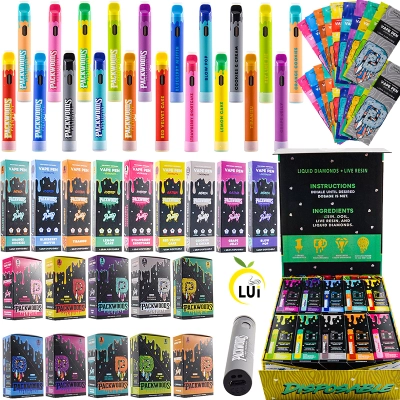
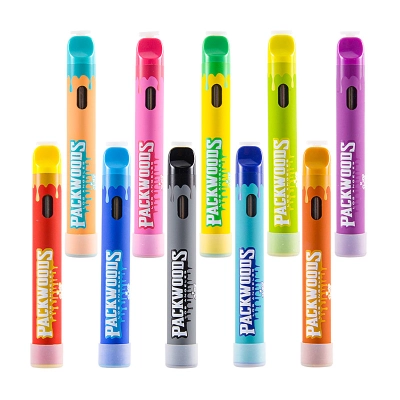
Shell build is the first filter in platform evaluation because it controls both perception and production practicality. For a collaboration-oriented device, the housing has to do several jobs at the same time. It must create enough flat or readable surface area for branding and artwork, protect the internal assembly without looking overly bulky, and still preserve a silhouette that feels current in the market. The strongest shells are not simply “decorated”; they are designed so the brand language feels integrated into the body rather than pasted on after the fact.
In B2B terms, that means buyers should examine shell decisions in layers. The first layer is the macro shape: body thickness, edge softness, mouthpiece integration, and whether the overall profile leans more compact, more premium, or more display-forward. The second layer is the graphic zone: how much room exists for consistent art placement, whether the brand story can still read clearly after production scaling, and whether the shell finish supports high-contrast print, matte texture, gloss accents, or mixed treatments. The third layer is assembly logic: how well the platform supports repeatable construction, how protected the charging interface is, and whether the device looks intentionally engineered rather than visually crowded.
This matters especially for collaboration-style hardware because the shell is doing more narrative work than a plain commodity device. A buyer choosing this platform is often trying to create separation inside a crowded shelf set or inside a wholesale line sheet. A strong shell helps that happen without requiring the seller to over-explain the product. If the housing already communicates a clearer tier, stronger visual identity, and more premium positioning, the sales conversation becomes simpler. That is exactly why platform-led buying is different from price-only buying.
Airflow design: the hidden part of platform quality
Airflow design is often discussed too late in the buying process, even though it is one of the most important variables in platform consistency. On the outside, two devices can look nearly identical. Internally, however, their air-path geometry may create very different outcomes in draw feel, resistance balance, and how “finished” the device feels in hand. From a wholesale perspective, airflow should be evaluated as a platform characteristic, not as an afterthought.
The first thing to examine is intake strategy. Where are the air inlets located, how exposed are they to accidental blockage, and how predictable is the path from intake to mouthpiece? The next question is balance. A collaboration shell with strong visual design still needs an airflow profile that feels coherent with its market positioning. If a device is meant to sit above a basic entry-tier shell, buyers usually expect a more deliberate, more stable draw profile, not something that feels improvised. Airflow design is also a communication issue: when your team can clearly explain why a platform uses a certain intake pattern or internal path, it becomes easier to differentiate that product in catalogs, sampling decks, and buyer calls.
Another reason airflow matters is consistency across revisions. Many B2B buyers are not just choosing for one launch window; they are thinking about repeat orders, version control, and whether the platform can stay coherent across batches. If the air-path design is too sensitive to small production changes, the platform may become harder to support over time. That is why a technical deep dive should always discuss airflow together with shell build. The two are linked. A shell can only be judged properly when its external design and internal air routing are treated as one system.
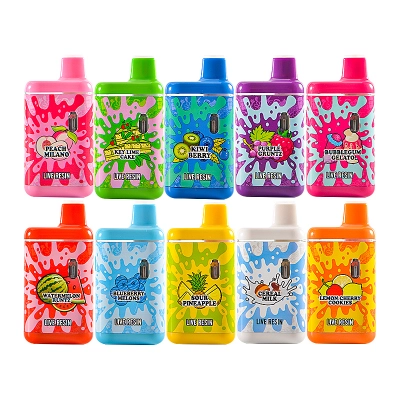
On the catalog side, this is also where comparison pathways help. When readers move from a collaboration-led shell to feature-led pages like LED Screen Vape, they can better understand how platform differentiation works: some devices compete through visual identity, some through visible interface features, and some through a balance of both. That kind of internal linking is useful because it teaches the buyer how to compare, rather than forcing every page to make the same generic promise.
Battery options: not just a spec line, but a positioning signal
Battery decisions influence more than runtime. In a B2B setting, battery format also changes how the product is positioned, how the shell is engineered, and how the device is explained to channel partners. A compact battery setup may support a lighter or slimmer form factor, while a larger-capacity option may support stronger premium signaling or a more feature-forward design. Neither is automatically better. The question is which battery strategy best matches the intended role of the platform in the catalog.
Buyers usually evaluate battery options through three lenses. The first is physical integration: does the power setup fit naturally inside the shell, or does it force compromises in body thickness, weight distribution, or connector placement? The second is interface clarity: does the device use a simple light indicator, a more visible screen-based status cue, or a hybrid approach? The third is operational fit: how easily can the battery story be communicated in product listings, wholesale decks, and order conversations without causing confusion.
For a design-driven collaboration platform, the right battery choice is often the one that protects the overall concept rather than the one that looks best on a raw specification sheet. If a display, recharge format, or indicator layout makes the shell feel more coherent and easier to merchandise, that can be more valuable than chasing feature inflation. In other words, battery selection should support the identity of the platform, not fight against it. A good technical page helps buyers see this clearly by showing how shell build, airflow path, and battery layout are part of one commercial logic.
How this platform fits in a B2B assortment
A smart wholesale assortment separates products by role. Some pages are there to drive quick replenishment. Some are there to support broad category visibility. Some are there to function as hero pages that explain why a buyer should step up from a generic shell to a more distinct platform. Cookies x The Freak Brothers belongs in that third group. It is best positioned as a platform page that translates hardware design into merchandising logic: why the shell reads premium, how the airflow design supports platform identity, and which battery options make the most sense for a buyer who wants something more differentiated than a baseline disposable.
That is also why this type of article should sit close to the Lueciga Blog. A blog post can do the educational work that a product page usually cannot. It can explain comparison logic, version thinking, and use-case segmentation in plain language. It can also strengthen internal topical authority by connecting category pages, product families, and operational pages into a more coherent decision path. Over time, that makes the site feel less like a list of SKUs and more like a structured hardware resource for repeat buyers.
From there, the buying path should not stop at inspiration. Once a buyer understands where the platform fits, the next question becomes operational: stock lanes, fulfillment expectations, and how ordering details are handled. That is where it makes sense to guide readers toward About Shipping. For B2B readers, this handoff matters. It turns an interesting hardware page into a page that supports procurement movement.
What buyers should look for before listing or scaling the platform
Before adding this platform to a line sheet, buyers should build a simple review framework. Start with shell review: silhouette, branding zones, finish consistency, charging-port placement, and how well the body communicates its intended tier. Then move to airflow review: inlet location, air-path logic, expected draw profile, and revision stability. Finally, review battery options in context: not just capacity class, but how the power system changes the overall feel, interface language, and sales explanation of the device.
This framework helps teams avoid a common mistake in catalog planning: selecting hardware in isolated fragments. When shell, airflow, and battery are judged separately, the final page often sounds inconsistent. When they are judged as one platform system, the content becomes sharper and the product is easier to position. That sharper positioning is what makes a technical B2B article valuable. It does not just describe a product. It gives the buyer a better way to think.
Final take
The strongest way to present Cookies x The Freak Brothers on Lueciga is not as a one-note collaboration mention, and not as a generic disposable listing with a longer title. It works best as a platform story: a housing concept with distinct branding value, an airflow system that deserves technical attention, and a battery strategy that shapes both usability and merchandising. When those three pieces are explained together, the page becomes more useful to wholesale readers, more differentiated from neighboring content, and more aligned with how buyers actually compare hardware.
In short, shell build creates the first impression, airflow design shapes platform credibility, and battery options determine how the device fits inside the larger assortment. A B2B deep dive that treats those elements as one connected system gives this collaboration page a clearer purpose in the catalog—and gives your internal linking structure a stronger job to do.


0 Comments