
Packwoods Wholesale — 2025 B2B Empty Disposable Vape Hardware Guide
Scope note (hardware-only): This guide is written for B2B sourcing of empty disposable vape hardware (unfilled devices/shells + packaging). Buyers and licensed operators are responsible for local compliance, lawful filling (if applicable), labeling, and distribution. Avoid IP misuse: “style-compatible” hardware should not copy protected marks or trade dress.
What “Packwoods wholesale” should mean for hardware buyers in 2025
For B2B buyers, “wholesale” is not just a unit price. It’s a repeatable system: stable specs, predictable lead times, traceable lots, and packaging that survives your real shipping lane. When buyers search “Packwoods wholesale,” many are really asking a procurement question:
- Can I source a consistent shell platform that matches my retail expectations?
- Can I get box designs that look premium and arrive intact?
- Can I control lot-to-lot drift (the #1 cause of returns and dispute credits)?
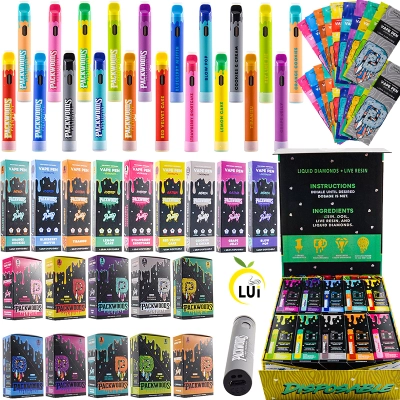
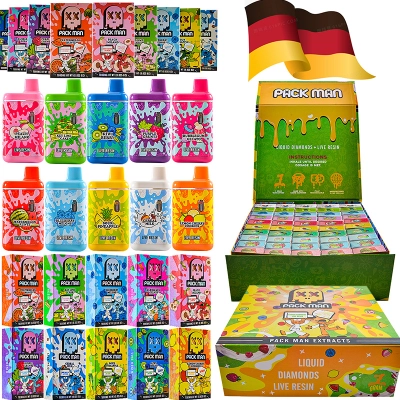
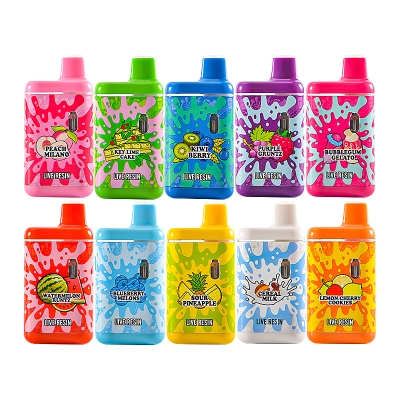
On Lueciga, you can guide buyers through brand → platform pages so they don’t confuse editions, capacities, or packaging versions: start at packwoods, then move to packwoods disposable. If you’re running custom boxes, mixed finishes, or a private-label program, route technical decision makers to OEM/ODM empty vape projects for a program-level workflow.
Build a SKU map that prevents reorder drift
Most “quality problems” in wholesale are actually SKU definition problems. If two listings share a name but differ in gasket material, airflow geometry, window cutout, or PCB revision, your customers will experience inconsistent draws, leaks, or unexpected failures—and your team won’t have the evidence to resolve the dispute.
Use a 3-layer SKU structure
- Platform SKU (frozen): shell + tank + heater + electronics + window design.
- Variant SKU (controlled): finish/paint, screen window, mouthpiece color, box artwork.
- Logistics SKU (lane-specific): case pack, master carton spec, warehouse location, lead time.
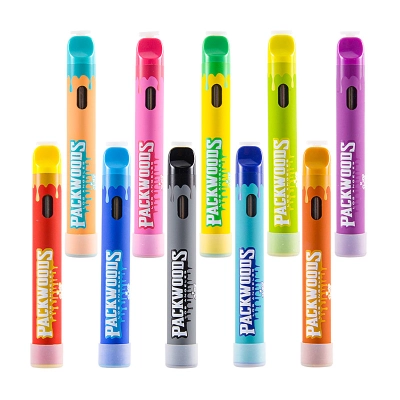
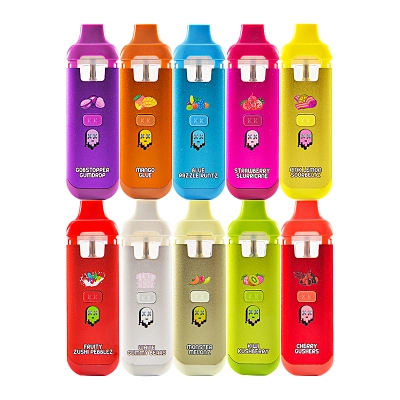
Even when product pages publish basic specs (for example, some Packwoods listings show parameters like micro-USB charging, ~350mAh battery, ~1.3Ω resistance, and oil-hole geometry), treat those as “marketing-visible attributes” and translate them into measurable acceptance ranges for procurement and QC.
Shell specs that cut returns: seals, airflow, and charging
1) Seals and tolerance stack-up
Leaks and “sweating” returns often come from small dimensional drift that changes gasket compression. Your purchase order should freeze critical-to-quality parts: gasket material/spec, tank resin, and any interface that compresses during assembly. Require a change-control clause: no substitutions without written approval and re-sampling.
2) Airflow must be measurable (not subjective)
“Too tight” vs “too airy” is usually variance, not design. Define a pressure-drop target range at a specific flow rate, then sample each lot to confirm it stays inside the band. This single practice prevents a surprising share of B2B complaints because it turns a vague argument into a pass/fail measurement.
3) Charging behavior and electrical safety expectations
Even empty hardware includes a battery and charging system. Many distributors align their safety approach with recognized standards such as UL 8139, which evaluates electrical, heating, battery, and charging systems and related protection circuits. In procurement terms, that means you should demand evidence of stable charge behavior, protection functions (short/over-current), and controlled PCB revisions—especially when you scale beyond one pilot lot.
Oil windows & cosmetics: the hidden margin killer
Oil windows are small, but they’re expensive: scratched or hazy windows trigger “looks fake” complaints and reduce sell-through. Treat the window as a spec-controlled component, not an afterthought.
Window performance checklist (simple and enforceable)
- Haze tolerance: define pass/fail photos using a standard light source and angle.
- Scratch control: require protective film during packing or an insert that prevents rubbing.
- Edge cracking risk: window cutouts create stress risers—validate with drop/vibration testing in the final box.
- Cosmetic AQL limits: document what is “sellable” vs “reject.”
Warehouse hack: add a 30-second window check to receiving. Quarantine questionable lots before they mix into inventory; it’s the cheapest way to prevent multi-customer return cascades.
Box design & parcel survival: premium look, fewer damages
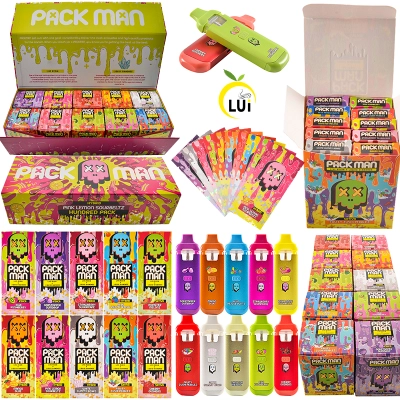
A premium box that collapses in transit is not premium. Your box system is a performance system: dieline + insert + closure + labels + master carton. If you ship through parcel networks, align validation to a parcel simulation baseline such as ISTA Procedure 3A (drops, vibration, compression) for individual packaged products shipped via a parcel delivery system.
Box requirements that protect margin
- Insert fit: no rattling; prevent mouthpiece impacts and window abrasion.
- Closure method: consistent seals where appropriate; consistent placement speeds QC.
- Traceability: lot/date code space on unit and box; scannable after shrink wrap.
- Master carton spec: defined case-pack and strength to prevent corner crush during stacking.
In wholesale, the best box design is the one that (1) protects the device, (2) is fast to pack, and (3) keeps your returns low. Artwork is the last 10%—structure is the first 90%.
Battery shipping documents: don’t let paperwork block inventory
If your empty hardware includes lithium batteries, logistics can break your business faster than pricing. In the U.S., PHMSA publishes guidance for the lithium battery test summary requirement, including a revised guide (July 2024) that helps manufacturers and distributors implement the requirement and explains revision timing. For air shipments, IATA guidance also emphasizes that lithium cell/battery types must have passed UN 38.3 tests to be permitted in transport.
What to request from suppliers (practical list)
- Battery identity + traceability: cell/battery model, rated capacity, and lot/date code format.
- Test summary access: documentation (or a controlled link/QR) tied to the battery design.
- Packaging + hazard communication: lane-appropriate carton labeling and documentation set.
- Revision control: written notice and re-approval required for battery or PCB changes.
Why this matters: when paperwork is incomplete, shipments get delayed; when revisions are uncontrolled, reorders drift. Both problems look like “supplier issues,” but they’re solved by documentation gates and change control.
QC workflow: sample → pilot → scale (without surprises)
For Packwoods-style empty hardware programs, the goal is to prevent repeat-order drift. Use a three-stage workflow that mirrors how disciplined manufacturers qualify products:
1) Multi-sample qualification (not one “golden sample”)
Ask for multiple samples across production conditions, using the final packaging configuration you will ship. Test the return drivers: leak behavior, draw variance, and cosmetic durability after basic handling stress.
2) Pilot order in your real logistics lane
Run a pilot through your actual route: factory → forwarder → warehouse → reseller. Many issues only appear after vibration and repeated handling. A pilot also validates case-pack accuracy and traceability scanning at scale.
3) Mass production with gates + retention samples
- Incoming parts gate: gaskets, tanks, heaters, PCBs, batteries checked against frozen specs.
- In-line gate: airtightness sampling, resistance sampling, and functional checks.
- Final gate: cosmetic sampling (window clarity) + traceability verification.
Retention samples are your dispute insurance: keep boxed samples from every lot, record lot IDs, and you can diagnose drift quickly and settle claims based on evidence—not arguments.
RFQ checklist you can send today
Copy/paste this into your RFQ so suppliers quote the same spec set:
- Platform definition: shell + tank + window + mouthpiece + base (materials list for wetted parts).
- Airflow target: pressure-drop range at defined flow (supplier to disclose method).
- Electrical controls: PCB revision control, protections (short/over-current), charging behavior target.
- Cosmetic limits: window haze/scratch acceptance photos + AQL limits.
- Packaging system: insert fit, closure, master carton spec, case-pack, lane-aligned testing approach.
- Traceability: lot/date coding on unit + box + carton, retention sample policy.
- Change control clause: no substitutions without written approval + resampling.
Bottom line: Winning “packwoods wholesale” programs in 2025 are built on spec discipline and packaging performance—not on price alone. If you freeze the platform, validate the box, and enforce documentation + change control, you get stable reorders and fewer returns.
0 Comments