
Packman x NFL Review: What’s Next for Brand Partnerships?
Context: This article discusses brand partnership strategy and product-market positioning in the disposable vape category. It does not make health claims, does not target minors, and is intended for adult, compliance-aware audiences where permitted by law.
Updated: January 30, 2026
1) Why “Packman x NFL” Matters as a Partnership Signal
Whether you view “Packman x NFL” as a true collaboration, a themed drop, or a naming convention designed to evoke sports culture, it reflects a broader market reality: partnerships (and partnership-like storytelling) are becoming a primary way to win attention in a saturated disposable category. The question is no longer “Can a brand do a collab?”—it’s “Can the collab create repeatable demand without adding operational or compliance risk?”
For buyers and operators, the most practical way to review this trend is to separate brand narrative from product execution. Narrative may win the first click; execution earns reorders.
2) The Shelf Reality: Why Partnerships Are Accelerating
Attention is the scarcest resource
Disposables compete in a high-velocity environment: new SKUs appear weekly, and consumers often buy on recognition rather than spec sheets. Partnerships compress decision-making. A recognizable “story” helps a product stand out long enough for the user to try it once.
Retail merchandising favors clear “collections”
A strong collaboration concept creates a collection that can be displayed as a set. That makes bundling easier, simplifies staff recommendations, and supports repeat buying (“try the next one in the series”) rather than one-and-done purchases.
Partnerships reduce price-only competition
Without a narrative hook, many SKUs compete primarily on price. A collab (or collab-like theme) can justify a stable price point—if the product quality matches the story.
3) A Practical Review Framework (What to Look for Beyond the Name)
Signal #1: Is the “brand concept” tied to a real product difference?
If the external branding doesn’t connect to tangible product features, the partnership becomes fragile. In 2026, the most credible collab-driven lines anchor the story to something users feel: draw consistency, smoothness, and clear differentiation (not just packaging).
Signal #2: Can buyers stock the line without chaos?
Collaboration lines often introduce multiple variants fast. If the supplier cannot keep variant labeling consistent and receiving-friendly, the “cool” launch becomes an inventory problem. Strong collab programs invest in packaging clarity, version markers, and stable production runs.
Signal #3: Does the collab create a repeatable content engine?
The best partnerships produce repeatable marketing assets: drop calendars, visual themes, and a consistent naming logic that makes it easy for retailers to post without rewriting everything every week.
4) What “Next” Looks Like: The Partnership Playbook for 2026
Tiered partnerships (not one big splash)
Expect more “tiered” programs: a hero drop (headline product), plus supporting SKUs that keep the story alive for 60–120 days. This is more operationally sustainable than trying to make every SKU a blockbuster.
Feature-led collabs: screen + switching + clearer UX
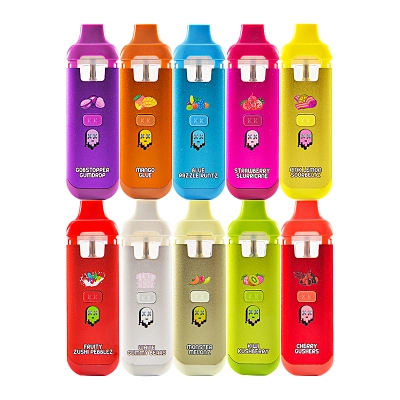
Hardware features are becoming part of the partnership narrative. “Better experience” is easier to defend than “limited edition” alone. The market is moving toward clearer user feedback and differentiation through features—especially screen-enabled formats and multi-chamber systems. If your assortment strategy needs these feature-led formats, review the category context through screen vape/dual chamber disposable and evaluate which feature set best matches your customer base.
Local relevance: region-first drops
Partnerships are increasingly launched with regional relevance—either through themed packaging, event timing, or market-specific positioning. This helps brands concentrate demand where distribution is strongest instead of going “everywhere” with inconsistent fulfillment.
5) The Compliance and IP Reality Check (Don’t Skip This)
Sports and entertainment themes can be powerful, but they introduce two non-negotiables: licensing/IP diligence and marketing compliance. If a partnership implies a relationship with a league, team, or rights-holder, buyers should confirm what is actually licensed versus what is simply “themed.” This is not legal advice—but it is a practical risk filter that protects your business from avoidable disruption.
A second layer is platform and regulator scrutiny. In nicotine vaping, enforcement actions and marketing authorization requirements have increased pressure on unauthorized products and youth-appealing marketing. Even if your operation is in a different segment or jurisdiction, it’s a strong signal that “collab hype” must be built on compliance-aware execution rather than ambiguity.
6) How Retailers and Distributors Can Win with Partnership Lines
Start with a clear “why this line” statement
Your internal team should be able to explain the line in one sentence: “This is the sports-themed series with switching formats,” or “This is the screen-first lineup built for flavor clarity.” If staff can’t explain it fast, customers won’t remember it.
Build a minimal, high-turn assortment
For most retailers, the sweet spot is a compact set of SKUs that cover the biggest purchase motivations. Add novelty after you see repeat velocity. A disciplined assortment also makes it easier to keep packaging/variant management clean.
Merch with “collection logic”
Partnerships work best when displayed as a collection, not as random singles. Use shelf blocks, consistent price cards, and simple category tags (e.g., “screen,” “switching,” “two-in-one”) so the user can self-navigate.
7) Where to Explore Packman + Packman NFL Disposables on Lueciga
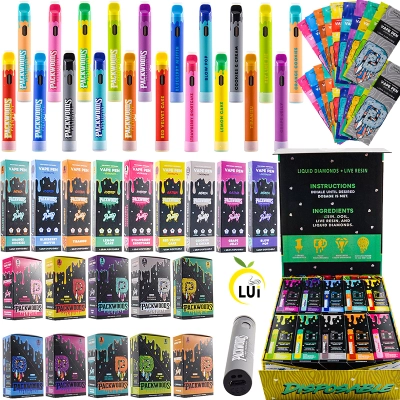
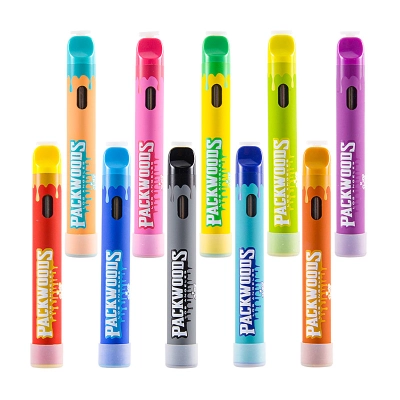
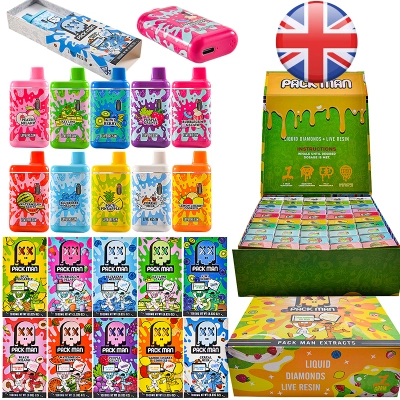
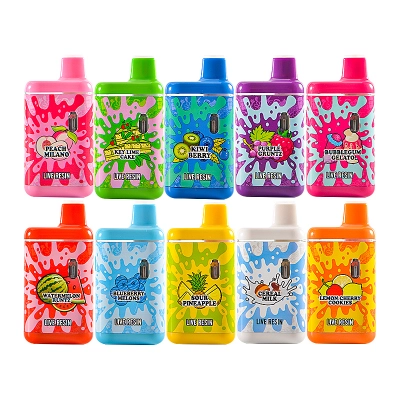
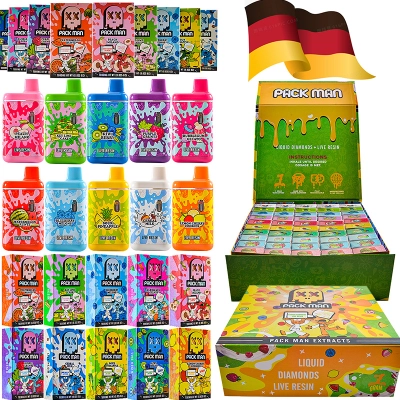
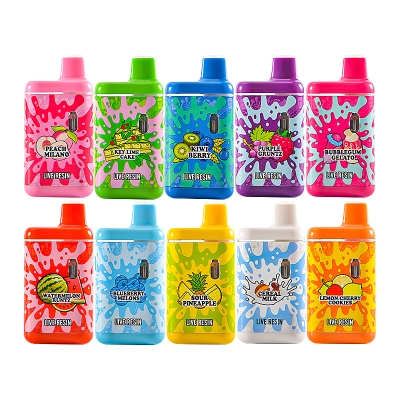
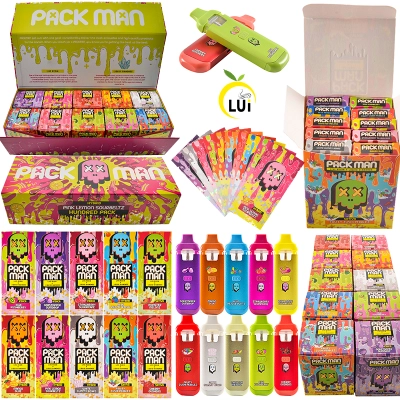
If you’re mapping the broader brand ecosystem and want to see the range of Packman formats, start with packman. For disposable-focused browsing—especially if you’re evaluating themed or “x NFL” style options—use packman NFL disposable to compare variations, positioning, and how the collection is organized.
8) Final Take: What’s Next for Brand Partnerships?
The next phase of partnerships will be less about louder logos and more about repeatable experience: features that consumers feel, plus operational execution that buyers can scale. The winners will pair a clear story with consistent build quality, receiving-friendly variant systems, and compliance-aware marketing. In that environment, “Packman x NFL” is best viewed not as a one-off headline, but as a signal of where the category is going: collaboration-driven collections designed to win attention, then keep it through consistency.
0 Comments