
Packman Switch Disposable vs Regular 2g Vape Hardware
For wholesale buyers, choosing between a Packman Switch disposable and a regular 2g vape hardware SKU is not only a design question. It is a purchasing decision that affects assortment planning, display strategy, inventory risk, reorder timing, and how easily sales teams can explain product differences to business customers. Switch-style hardware usually adds a dual-chamber structure, a screen or switching feature, and a stronger visual story. Regular 2g disposable hardware usually offers a simpler format, lower complexity, and easier comparison across standard disposable vape categories.
Why This Comparison Matters for Wholesale Buyers
In a crowded disposable vape hardware category, wholesale buyers often face two different needs. One need is to carry proven, straightforward 2g disposable hardware that can be understood quickly by retailers and account managers. The other need is to refresh the catalog with more visually distinctive devices that can attract attention in a display case or product list. Packman Switch hardware and regular 2g Packman devices serve these two needs differently.
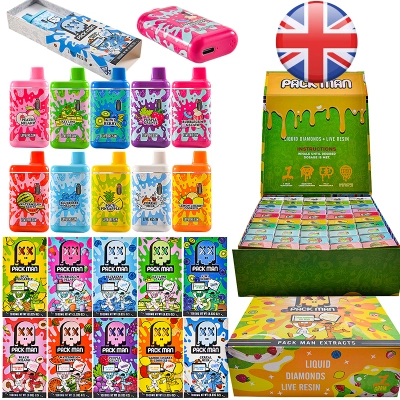
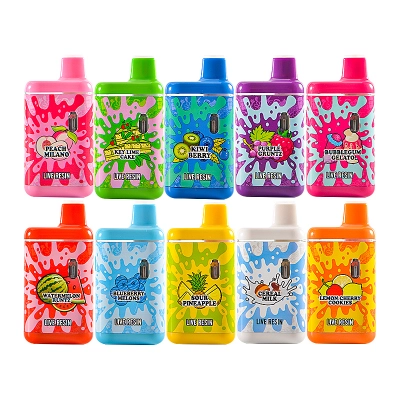
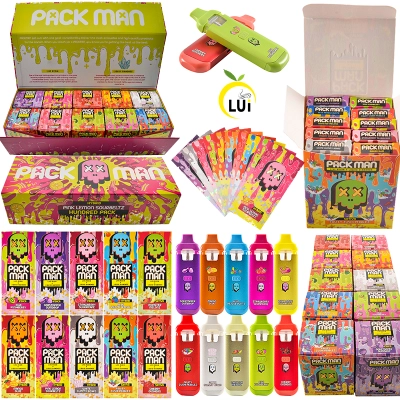
The broader packman category is useful for buyers who want to understand the full product family before choosing a specific disposable model. A category-level view helps wholesale teams compare single-capacity devices, dual-chamber devices, seasonal versions, warehouse-stock options, and related Packman collaborations. That matters because one product page rarely tells the whole purchasing story.
What Is Packman Switch Disposable Hardware?
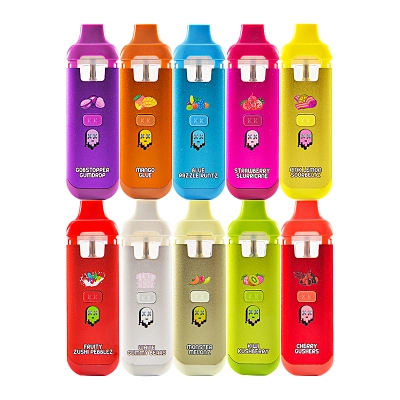
Packman Switch disposable hardware is generally positioned around a dual-chamber or switch-style design. Instead of presenting one simple chamber, the hardware is built around a 1ml+1ml or 2ml dual structure, with the switching feature used as a product differentiator. On Lueciga, the Packman V7 Switch listing is described as a 2g empty disposable with package, with 1ml+1ml oil capacity, double 10 flavor pairing structure, and switch digital screen positioning.
For B2B buyers, the key value of switch hardware is not an unsupported performance claim. The value is merchandising clarity. A switch device gives the sales team a clear way to explain why the SKU is different from a regular 2g disposable. It can be grouped with dual-chamber devices, screen devices, or feature-led hardware. This makes it easier to build a “new technology” or “dual option” section in a wholesale catalog.
Buyers comparing switch devices can review the product-level page for Packman Switch V7 2g disposable hardware to check current listed specifications, tier structure, package description, and stock status before planning any order or promotion.
What Is Regular 2g Vape Hardware?
Regular 2g vape hardware is usually easier to understand and easier to place in a wholesale assortment. It is commonly organized around capacity, battery, charging type, resistance, material, and packaging. A regular 2g Packman disposable device does not need a switch feature to be useful. Its advantage is simplicity: buyers can compare it against other 2g devices based on price, battery specification, material, MOQ, and reorder performance.
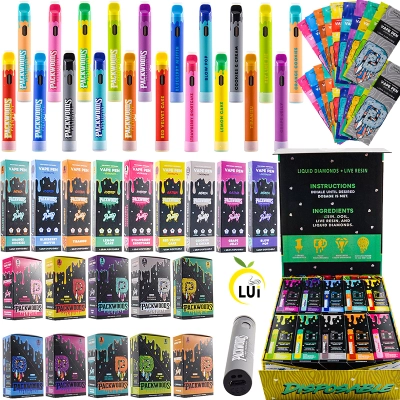
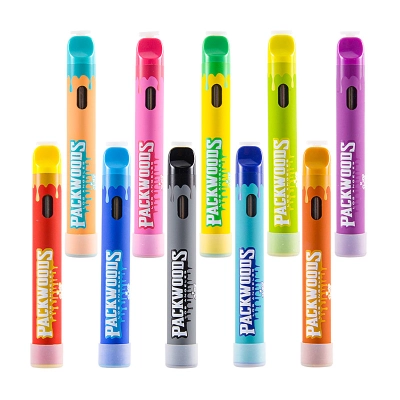
Lueciga’s Packman Gen 3 2g listing provides a good example of a regular 2g hardware page. It is presented as a 2g Packman Gen 3 empty device with 10 flavors listed, Type-C recharge, ceramic coil information, material details, and quantity-based wholesale tiers. For a buyer who wants a standard 2g SKU, those details are often easier to evaluate than feature-heavy hardware.
For disposable-specific browsing, the packman disposable vape category is the stronger internal destination because it narrows the buyer’s journey from the whole Packman brand family to disposable Packman hardware only.
Switch Disposable vs Regular 2g: Main Hardware Differences
The first difference is structure. A Switch disposable often uses a dual-chamber design, such as 1ml+1ml, while a regular 2g disposable is usually presented as a simpler single-format 2g device. The dual-chamber format gives buyers a stronger feature story, but it may also require more explanation on catalog pages, order sheets, and retail display cards.
The second difference is display value. A device with a switch screen or dual-chamber concept can stand out in images and product grids. This may help a wholesale buyer create a premium-looking section or new-arrival campaign. A regular 2g device may not create the same immediate visual contrast, but it can be easier to position as a stable everyday SKU.
The third difference is purchasing risk. Feature-led hardware can create stronger attention, but buyers should still test demand before moving into larger tiers. Regular 2g hardware may be easier to forecast because it fits an established capacity category. For reorder planning, the best choice depends on actual sell-through, not only on product appearance.
MOQ and Price-Tier Thinking
Wholesale buyers should compare Packman Switch and regular 2g hardware through MOQ, unit cost, box or piece structure, and reorder timing. A product with a lower visible unit price is not automatically the better purchasing decision. A larger MOQ may create lower cost per unit but higher inventory exposure. A smaller test order may cost more per unit but gives the buyer better flexibility.
When reviewing Packman Gen 3 2g disposable hardware, buyers should look at the quantity breaks, listed technical details, and current availability together. The same method should be used for switch hardware. Never compare only the headline price; compare the total purchasing plan.
A practical wholesale method is to start with a test allocation, track movement by store or account, and reorder only after real demand is visible. This approach is especially useful when comparing a feature-led Switch device with a regular 2g SKU. The Switch device may generate faster initial attention, while the regular 2g device may create steadier reorder behavior.
Packaging and Catalog Presentation
Packaging is a major part of wholesale vape hardware planning. A buyer needs to know whether a SKU is easy to receive, count, store, label, and explain. Packman Switch hardware should be presented in a way that highlights the dual-chamber or screen feature without making unsupported claims. Regular 2g hardware should be presented around core specifications such as capacity, recharge type, material, resistance, battery, and packaging format.
On a wholesale website, the best catalog copy is factual and specific. It should tell the buyer what the hardware is, what format it uses, how it fits into an assortment, and what should be checked before reordering. It should not promise health benefits, safety outcomes, or consumer effects. For regulated or age-restricted categories, clarity is safer and more professional than hype.
When to Choose Packman Switch Disposable
Choose Packman Switch disposable hardware when your wholesale strategy needs a feature-led product. This may be useful for distributors that want new catalog arrivals, stores that want a stronger display item, or buyers who want to test demand for dual-chamber devices. Switch hardware can also work well when sales teams need a product that is easy to explain in one sentence: it is a Packman disposable with a switch-style dual structure.
However, feature-led hardware should still be tested carefully. Buyers should confirm current stock status, order quantity, packaging, shipping path, and reorder timing before building a promotion around it. If a product page shows sold-out status, the blog should not position the item as immediately available.
When to Choose Regular 2g Hardware
Choose regular 2g hardware when your goal is simplicity, category consistency, and easier price comparison. Regular 2g devices are often better for buyers who want a clear capacity-based SKU that can be compared against other 2g disposable options. This makes the product easier to place in a reorder spreadsheet, easier to explain to stores, and easier to evaluate over time.
Regular 2g hardware can also be a better starting point for buyers who are new to the Packman category. Instead of beginning with a feature-heavy SKU, they can test a standard 2g format, measure demand, and then add Switch or dual-chamber devices later as a catalog expansion.
Dual-Chamber Hardware as a Middle Category
Buyers who are interested in Switch hardware should also compare it with the broader dual chamber vape hardware category. This helps determine whether the demand is specific to Packman Switch or part of a broader dual-chamber trend across multiple brands and device formats.
This comparison is useful for assortment planning. If several dual-chamber SKUs are moving well, the buyer may build a dedicated dual-chamber section. If only the Packman Switch device gets attention, then the demand may be more closely tied to the Packman name or the specific product design. Either insight is useful for future buying decisions.
Compliance-Minded Content Guidelines
Vape hardware content should be written for qualified adult wholesale buyers and should stay focused on purchasing details. A strong blog can discuss hardware structure, capacity, screen features, packaging, MOQ, price tiers, category comparison, stock checks, and reorder planning. It should not make medical claims, youth-oriented claims, cessation claims, or unsupported safety claims.
This is especially important for disposable vape content because public health agencies and regulators pay close attention to disposable devices and youth access. A wholesale blog should be clear that the purpose is B2B product comparison and inventory planning, not consumer persuasion or youth-directed marketing.
Final Takeaway
Packman Switch disposable hardware and regular 2g vape hardware serve different wholesale roles. Switch hardware is best for feature-led merchandising, dual-chamber positioning, and display freshness. Regular 2g hardware is best for simple comparison, stable catalog planning, and capacity-based purchasing. The best choice depends on buyer goals, stock status, MOQ, packaging, price tiers, and reorder data.
For most wholesale teams, the strongest strategy is not to choose one format forever. Start with the category role. Use regular 2g hardware for dependable assortment structure, and use Packman Switch hardware as a feature-led addition when the catalog needs something more distinctive. Track actual movement, avoid unsupported claims, and reorder based on data rather than hype.

0 Comments