
Packman Switch Disposable: Dual-Chamber Hardware Explained
This article is intended for adult B2B buyers, licensed distributors, and compliance-aware product teams. Always follow local laws, age restrictions, import rules, and product-listing requirements before purchasing or selling vape hardware.
What Makes a Switch Disposable Different?
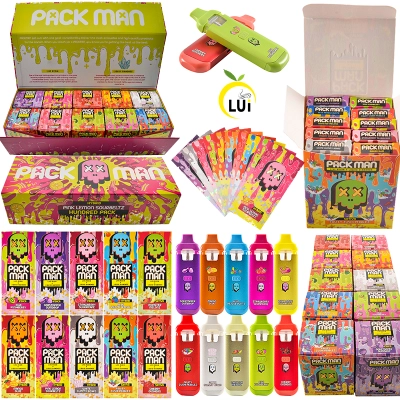
A switch disposable is not just another disposable vape shell with a larger capacity claim. For adult wholesale buyers, the word “switch” usually signals a more complex hardware format: two chambers, two flavor paths, and a user-facing design that needs to be explained clearly on product pages, catalogs, and sales sheets. The packman switch disposable is a useful example because it combines a 2g empty disposable format, 1ml+1ml oil capacity, package presentation, dual-chamber layout, and a screen-based design in one device concept.
For sourcing teams, that combination changes the way the product should be evaluated. A basic disposable can often be compared by size, battery, and price. A dual-chamber switch device needs a deeper checklist: chamber separation, switching logic, flavor-pair planning, screen visibility, packaging clarity, and how easily the product story can be understood by adult buyers. If the feature is hard to explain, it becomes harder to sell responsibly and harder to position in a crowded catalog.
Dual-Chamber Hardware: The Core Structure
The main hardware idea behind a Packman switch device is chamber separation. Instead of one single oil space, the listed format uses a 1ml+1ml structure. This gives the device a total 2ml hardware layout while still allowing each side to be presented as a separate chamber. For buyers, the value is not only capacity; it is organization. A dual-chamber disposable can support two flavor names, two visual zones, and a clearer “switch” story than a single-tank device.
When comparing dual-chamber hardware, buyers should ask several practical questions. Is the chamber format easy to communicate? Does the product name make the dual structure obvious? Can the packaging show both flavor names without confusion? Does the device body visually support the two-chamber message? These details influence how well the product performs in wholesale presentations, online listings, and retail menus.
Because this format belongs to a larger design category, it is also useful to compare it with other dual chamber vape options. Category-level comparison helps buyers see whether Packman’s switch format is mainly competing on brand recognition, chamber design, screen style, price tier, or flavor-pair variety.
Why the Screen Matters
The screen is another comparison point that makes the Packman V7-style switch device easier to explain. A screen disposable gives the product a more technical appearance and helps separate it from plain-body disposable hardware. In B2B content, this matters because buyers often scan quickly. Terms like “switch,” “screen,” “dual chamber,” and “2g” each communicate a different product benefit. When they appear together, the page should explain how they connect instead of repeating them as keywords.
A good blog article should not overpromise what the screen does. It should simply describe the screen as part of the hardware presentation and user-interface concept. Buyers can then compare it with non-screen disposables, LED-screen models, and other visual-display formats. This approach is better for trust because it avoids unsupported performance claims and keeps the content focused on observable product structure.
For internal navigation, a related category such as screen disposable helps readers continue comparing similar display-based hardware. This is a stronger anchor than generic text like “click here” because it tells both users and search engines what the linked page is about.
How Buyers Compare 1ml+1ml Capacity
The 1ml+1ml specification is one of the most important details in the Packman switch format. It gives buyers a clean way to understand the hardware: two chambers, each associated with one side of the device, together forming a 2ml disposable structure. In wholesale planning, this is easier to communicate than a vague “dual flavor” statement because it explains the physical layout behind the product concept.
Capacity also affects pricing logic. A 2g disposable device is usually compared differently from 1g hardware because the device body, packaging, and perceived shelf value are different. Buyers may compare the listed unit price at 500 pieces, 1000 pieces, 2000 pieces, and 5000 pieces, but price should not be the only decision point. The better question is whether the hardware format, package, stock status, and flavor-pair selection match the buyer’s adult market and legal distribution channel.
For stores building a Packman-focused product hub, the broader packman disposable vape category gives readers a logical next step after learning about the switch model. It also helps avoid sending every internal link to the same product page.
Flavor Pairing and Product Clarity
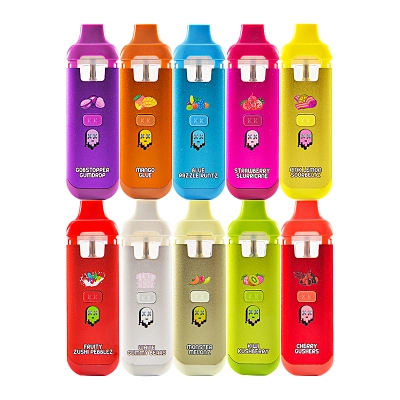
A switch disposable needs a flavor strategy that is simple to read. The Packman V7 listing presents double 10 flavor options, which means buyers are not just comparing one flavor list; they are comparing paired names. Pairing can make a product feel more distinctive, but it can also create confusion if names are too long, too similar, or difficult to display in a catalog.
Good product content should therefore focus on clarity. Instead of making unsupported claims about taste quality or effects, describe the structure: two chambers, paired flavor names, and a format built for adult buyers who want a dual-option disposable. This is especially important in regulated product categories, where exaggerated claims can create compliance risk. A responsible blog should help buyers understand the hardware and listing details, not encourage underage use or make health-related promises.
When presenting flavor pairs, keep the format clean. Use bullet points or tables if the product page needs a full flavor list. In a blog article, however, it is usually better to discuss how flavor pairing works rather than repeat every flavor name. That keeps the article useful for search intent while avoiding thin duplicated product-page content.
Where Packman Fits in the Brand Architecture
Brand navigation is another part of the buyer journey. Many visitors will not land on the exact product page first. Some will search by brand, some by capacity, and others by hardware feature. That is why the broader Packman category should be part of the internal-link plan. It gives users a place to compare multiple Packman-related options without forcing them to rely on site search.
From an SEO perspective, this structure also makes sense. The blog article explains the concept, the product link sends users to the specific Packman switch disposable, the brand-category link supports broader Packman exploration, and the 2g category link helps users compare capacity-based alternatives. Adding screen and dual-chamber category links completes the topic cluster without overloading the article.
The key is natural placement. Internal links should appear in sentences where they help the reader make a decision. Avoid placing all five links in one paragraph. Avoid using the same anchor over and over. A healthy internal-link pattern looks editorial, not mechanical.
Wholesale Checks Before Ordering
Before ordering any Packman switch disposable hardware, adult wholesale buyers should confirm the current product status. If a product is marked out of stock, it should not be promoted as immediately available without checking inventory first. Stock status can change, but blog content should avoid fixed claims such as “ready to ship today” unless the page is updated frequently.
Buyers should also confirm packaging details, quantity breaks, shipping route, local compliance rules, and whether the device is being purchased as empty hardware or as a filled product in the target market. These details can affect import classification, labeling, product-page wording, and customer-service requirements. In regulated categories, a small wording difference can matter.
A practical buyer checklist includes: chamber capacity, flavor-pair naming, screen design, price tier, minimum order quantity, packaging photos, stock availability, target-market rules, and after-sales communication. This checklist is more useful than a generic “best disposable” claim because it reflects how real wholesale decisions are made.
Responsible Content and Compliance Language
Vape-related content should be written carefully. Do not describe any disposable vape as safe, harmless, healthy, or suitable for youth. Do not claim that a device helps users quit smoking unless the claim is legally supported in the target market. Do not use language that appeals to minors, such as school references, cartoon-style framing, or youth lifestyle positioning.
Better language is factual and product-specific. Say “2g empty disposable with package,” “1ml+1ml dual-chamber structure,” “screen-based switch design,” or “adult wholesale hardware comparison.” These phrases describe the product without making health promises. They also help search engines and buyers understand the page topic more clearly.
The best Packman switch disposable blog is not a hype article. It is a hardware explainer for adult buyers who need to compare structure, capacity, display features, flavor-pair logic, and category fit before contacting a supplier or placing a bulk order.
Final Takeaway
The Packman Switch Disposable is best understood as a dual-chamber 2g hardware format built around 1ml+1ml capacity, switch-style product positioning, screen presentation, and paired flavor organization. Buyers compare it first by hardware structure, then by category fit, price tier, packaging, inventory status, and compliance requirements.
For Lueciga, this blog topic works well because it connects one specific product page with the broader Packman brand category, the Packman 2g disposable category, and feature-based categories such as dual chamber and screen disposable. That creates a clean internal-link path while giving adult buyers a practical explanation of what the hardware is and how to compare it responsibly.


0 Comments