
Packman Switch 2G Disposable: Features and Use Cases
Scope note: This article is written from a hardware and merchandising perspective for adult-market buyers, distributors, and sourcing teams. It focuses on device format, interface, retail positioning, and catalog planning rather than consumable formulation or production.
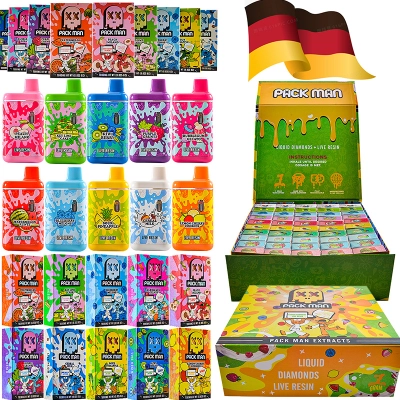
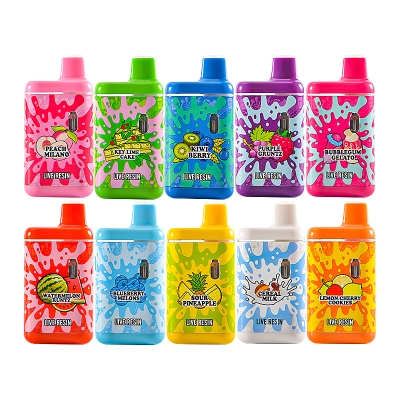
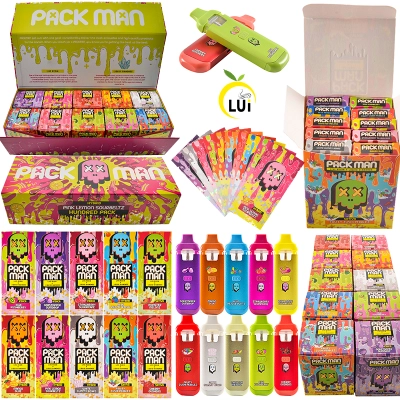
As disposable hardware becomes more specialized, buyers are paying closer attention to device formats that do more than simply look new. One reason the Packman Switch 2G format has gained attention is that it combines portability, dual-flavor flexibility, and stronger shelf storytelling in a single platform. For sourcing teams, that matters because a product can stand out not only through branding, but also through a device structure that is easy to explain and easy to merchandise. In the broader packman range, switch-style devices are especially useful because they turn a compact disposable into a more versatile format without making the buying decision overly complicated.
At a glance, the name tells you two important things. First, “2G” signals a higher-capacity format than many legacy disposables, which makes the device more attractive for buyers who want fewer interruptions and a more substantial product feel. Second, “Switch” suggests that the platform is built around a selectable experience rather than a single fixed profile. On Lueciga, that idea sits naturally between the general brand family, the broader packman disposable category, and the increasingly important Dual Chamber Vape segment.
What makes the Packman Switch 2G format stand out
The strongest selling point of a switch-style disposable is that it gives the customer more than one reason to choose the device. A standard disposable is usually sold on design, capacity, and brand recognition. A switch device adds another layer: mode selection. That immediately changes how the device is discussed on a product page, how it is presented in a shop, and how it is compared against single-channel alternatives. For a wholesale buyer, that extra layer can make the SKU more memorable and easier to position as a premium or feature-led option.
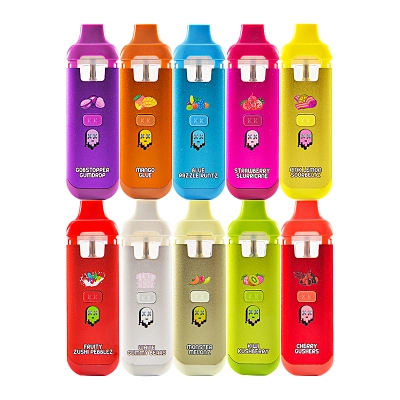
Another advantage is visual differentiation. Many disposable products compete in similar shell sizes and similar claims, so hardware that includes a visible switch concept or a screen-based mode cue has a better chance of standing out. This is especially true when buyers are reviewing a category page quickly and need obvious reasons to click deeper into a product. A switch-enabled device offers a more concrete talking point than vague wording such as “advanced” or “new generation.”
Capacity also plays a practical role. A 2-gram format is attractive because it supports a more substantial product presentation and often aligns with customer expectations around convenience and fewer replacements. Lueciga’s own site structure reflects how commercially important this format has become, with dedicated category visibility for 2g Disposable Vape Pen hardware alongside brand and feature-based groupings. That gives content creators a useful way to frame the Packman Switch 2G device: not just as a brand item, but as a format-driven product that fits multiple navigation paths on the site.
Core hardware features buyers usually care about
1. Dual-chamber architecture. One of the most valuable features in a switch-style device is separated chamber design. In a stronger hardware build, the two sides remain distinct so the user can choose between experiences rather than blending them unintentionally. From a buyer’s perspective, dual-chamber architecture is important because it supports cleaner product positioning, clearer feature communication, and a more premium impression than a basic single-path device.
2. Selector or switch usability. A feature is only valuable if the customer can understand it immediately. A good selector should feel deliberate, not loose. It should be obvious when the device has changed modes, and the user should not have to guess which side is active. This matters for both product satisfaction and support efficiency. If a switch system is confusing, even a good-looking product becomes harder to recommend and harder to reorder with confidence.
3. Compact 2G body with stronger shelf appeal. The 2G format gives brands and resellers more room to present the device as a full-feature product rather than an entry-level disposable. This can help when a catalog needs a price ladder or when merchandisers want an item that feels more substantial in hand and more competitive on display. In practical retail terms, larger-capacity hardware often makes feature-based storytelling easier because the device feels like a “main SKU,” not just an impulse backup item.
4. Screen-assisted communication. Devices with visual feedback can be easier to explain and easier to trust. A screen can help users identify selected mode, battery state, or general device status at a glance. That is one reason screen-equipped products continue to attract attention in feature-focused categories like LED Screen Vape. Even when the screen is not the main feature, it supports the switch concept by making the hardware feel clearer, more modern, and more retail-ready.
5. Brand-family compatibility. Buyers often prefer products that fit neatly into an existing brand family because that makes catalog building easier. A Packman Switch 2G product does not exist in isolation; it benefits from the familiarity of the wider Packman lineup. That brand consistency can simplify product page organization, cross-selling, and customer education, especially for stores or distributors already working within Packman-oriented demand.
Practical use cases for the Packman Switch 2G Disposable
Use case 1: Feature-led retail merchandising. Some products sell because of price, while others sell because of a story the staff can tell in ten seconds. Switch-style devices are ideal for the second category. Retail teams can highlight the two-chamber concept, the mode selection, the higher-capacity body, and the screen-supported interface as concrete reasons the product is different. That gives the device a stronger role in display planning and can help it earn a more premium spot on the shelf.
Use case 2: Catalog differentiation for wholesale buyers. For wholesalers and online sellers, one of the hardest jobs is preventing the catalog from becoming visually repetitive. If too many SKUs look similar, customers compare only on price. A Packman Switch 2G format helps break that pattern by adding functional differentiation. It allows buyers to stock a device that can be described through format, interface, and use scenario rather than simply through color or brand badge.
Use case 3: Cross-category internal linking and SEO content. This is one of the most overlooked advantages. Because the device sits at the intersection of brand, capacity, screen, and chamber format, it works especially well in blog content. One article can naturally support internal links into brand pages, device-format collections, and feature-based category pages. That makes the topic useful not only for readers, but also for site architecture and on-page SEO. It is easier to create content depth when one product can connect multiple relevant collections naturally.
Use case 4: Buyer education for first-time feature shoppers. Not all customers already know what “switch” means in disposable hardware. This device gives sellers a practical way to explain the concept of dual-chamber selection without overwhelming the customer. The product becomes a teaching point: two separated paths, one device body, clearer switching logic, and a more flexible product story. That educational value can reduce confusion and help staff guide conversations more quickly.
Use case 5: Premium-positioned assortment building. Stores and distributors often need a middle or upper tier in their assortment—something more advanced than a basic disposable, but not so niche that it confuses mainstream buyers. The Packman Switch 2G format fits this role well. It looks more considered, offers more talking points, and supports a stronger merchandising story. In other words, it can function as a bridge between everyday disposables and more specialized hardware formats.
What buyers should evaluate before ordering
When assessing a switch-style device, the first thing to verify is consistency. The switch should feel stable across multiple units, not just in a single sample. The second thing is clarity: the active mode should be easy to identify. The third is shell execution. Moving parts often reveal whether a device is built with careful tolerances or just surface-level design appeal. For larger-volume orders, these details matter because they affect both customer experience and the operational burden on support teams.
It also helps to review how the product fits within the rest of the site and the rest of the assortment. A good SKU should be able to live in several meaningful site locations without feeling misplaced: brand collections, feature-led category pages, and capacity pages. The Packman Switch 2G format is strong precisely because it can belong in all three conversations at once. That improves merchandising flexibility and makes the product easier to promote through blog content, category navigation, and related-product modules.
Another useful check is whether the feature story can be communicated in plain language. If the device needs too much explanation, it may be harder to convert outside of specialist channels. The best switch products are the ones that can be summarized quickly: two chambers, one body, clear selection, helpful screen cues, and stronger shelf appeal. That combination is easier for both content teams and sales teams to work with.
Why this topic works well as a Lueciga blog post
“Packman Switch 2G Disposable: Features and Use Cases” is a strong blog topic because it balances SEO value with commercial usefulness. It gives search engines a clear hardware topic, gives readers an educational overview, and gives the site multiple opportunities for natural internal linking. Just as importantly, it matches the way Lueciga already structures content and category discovery around Packman, dual-chamber devices, screen-based products, and 2G hardware. That means the article can support both ranking intent and on-site browsing intent without feeling forced.
It also avoids one of the biggest weaknesses in product-adjacent content: saying too much without saying anything specific. This topic stays concrete. It explains what the format is, what features matter, where the device fits in a catalog, and why buyers might choose it. That makes it more durable than trend-only content and more useful than a thin promotional paragraph.
Final takeaway
The Packman Switch 2G disposable format stands out because it brings together several commercially useful hardware traits in one device: a higher-capacity body, switch-based usability, dual-chamber appeal, stronger visual differentiation, and screen-supported clarity. For adult-market buyers, that combination creates real value in merchandising, assortment planning, and content strategy. For site publishers, it is also a natural topic for internal linking because it connects brand, feature, and format pages in a way that feels genuinely helpful.
If you publish this piece on Lueciga, the best positioning is to frame the device as a hardware solution with practical retail and catalog use cases. That keeps the article aligned with current on-site content patterns, supports stronger internal linking, and gives the page a better chance of holding a clean, stable title in search.
0 Comments