
Packman Empty Disposables: Shell Design, Coil Resistance and Best Practices for Filling (2025)
For B2B buyers, “empty disposables” are not just shells — they are a repeat-order system. If the shell design is inconsistent, coil resistance drifts between lots, or filling practices introduce avoidable defects, returns and reputational damage follow. This 2025 guide focuses on the three levers you can actually control: mechanical design choices, resistance targets, and a clean, testable filling workflow for finished, compliant liquids (hardware-only sourcing and QC mindset).
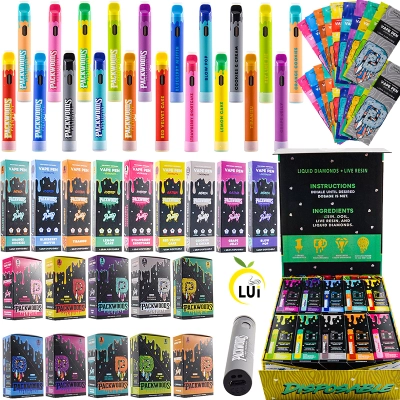
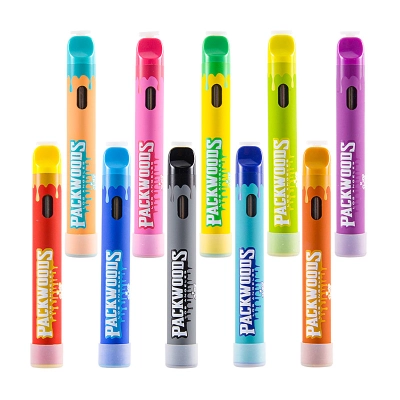
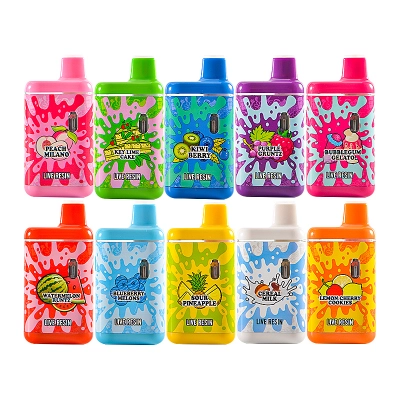
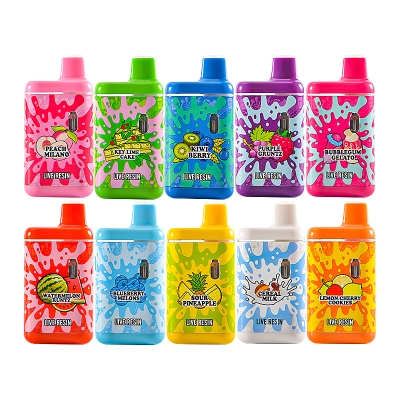
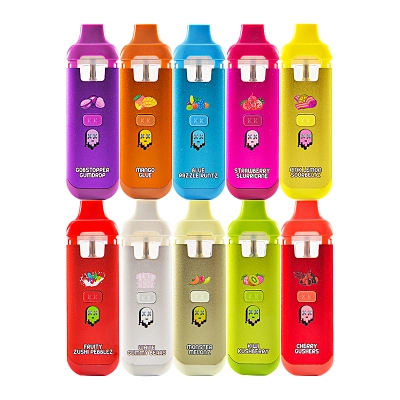
If you’re comparing lineups, start with the packman collection for the full family view, then review the broader packman disposable category to compare form factors and variants.
1) Shell design: what matters most (and why it shows up in RMAs)
Shell design determines whether a device behaves like a “premium disposable” or a support-ticket magnet. In 2025, the best-performing empty disposables tend to converge on the same priorities: leak resistance, stable airflow, predictable wicking, and assembly repeatability. Here’s how to evaluate the shell beyond the marketing photos.
1.1 Material stack and structural stiffness
A mixed-material approach (e.g., plastic housing with metal reinforcement) is common because it balances cost, weight, and rigidity. In practice, stiffness reduces micro-gaps that later become leaks after temperature cycling during storage or shipping. If a vendor provides a spec sheet, confirm the housing material and verify that the assembly method (snap-fit, ultrasonic weld, adhesive, or screw) is consistent across the SKU family.
1.2 Airflow path: fewer surprises, fewer clogs
Airflow is where “looks identical” devices diverge. A stable airflow path should resist oil migration, keep condensation away from the sensor path (for draw-activated units), and maintain a consistent draw across lots. When airflow changes between batches, customers perceive it as “weak hits” or “hard draw,” even if the coil is fine.
1.3 Mouthpiece geometry and anti-spitback behavior
Mouthpiece geometry influences condensation management and spitback. For thick liquids, a better mouthpiece is not “bigger” — it’s a geometry that prevents pooling near the outlet and reduces the chance of droplets being carried into the airway during rapid pulls.
1.4 Fill access and sealing surfaces
Many B2B teams prefer top-fill shells because the filling step can be standardized and visually inspected before final sealing. The real differentiator is the sealing surface quality: flatness, gasket consistency, and how tolerant the design is to slight torque or press-depth variation.
2) Coil resistance: turning “ohms” into a practical buying spec
Coil resistance (Ω) is not just an electrical number — it’s a proxy for how aggressively a device heats at a given voltage. Higher resistance generally means lower power draw at the same voltage, which can reduce scorching and extend battery life; lower resistance increases power and heat, which can boost vapor but may increase burn risk if wicking lags.
2.1 Why ceramic coils dominate in thick-liquid empty disposables
Ceramic heating elements are widely used because they tend to produce consistent heating and can support clean flavor delivery, while also being compatible with many high-viscosity liquids. In real-world sourcing, “ceramic coil” should still be verified with a lot-level resistance check and functional testing — the label alone isn’t a guarantee of stability.
2.2 A real reference point: 1.4Ω as a common target band
As an example of a published spec inside the Packman lineup, Packman V4 listings show a ceramic coil with a stated resistance of 1.4ohm, along with other production-relevant details like top filling and battery capacity. That combination is typical of designs optimized for controlled heat and repeatable filling operations. (See the product-spec example: Packman V4 2ml empty disposable.)
2.3 What to ask suppliers (so resistance is not a “marketing number”)
- Resistance tolerance: What is the acceptance band per lot (min/target/max), and at what temperature is it measured?
- Test method: Is resistance measured in-line, sampled per carton, or only during engineering validation?
- Failure modes: How do they classify “out of spec” units — open circuit, short, drifting resistance, unstable activation?
- Change control: Will the supplier notify you before coil vendor/material/process changes?
2.4 A simple way to communicate resistance to your team
Internally, treat coil resistance as a “heat behavior spec.” Your procurement team should store it like any other critical dimension: target value, tolerance, test plan, and lot traceability. This is especially important if you run multiple shells across multiple warehouses.
3) Best practices for filling: a defect-prevention workflow (not a “how-to recipe”)
Filling problems usually come from process variability, not from one-time mistakes. The goal is to set a workflow that prevents leaks, reduces clog risk, and produces consistent draw and vapor — without relying on rework. Below is a practical, QC-friendly approach you can adapt to your line for finished, compliant liquids.
3.1 Pre-fill incoming QC (before you waste liquid)
- Visual + fit check: cracks, warped parts, loose mouthpieces, damaged seals, and misaligned airflow channels.
- Activation sanity test: confirm draw sensor/button response on a small sample before the lot hits production.
- Resistance sampling: confirm the lot matches the supplier’s stated resistance band; quarantine obvious outliers.
- Seal readiness: verify the fill-port components are present and consistent (plugs, caps, gaskets, weld points).
3.2 Filling controls that reduce leaks and clogs
- Calibrated volume control: use a repeatable metering method; avoid “by eye” filling in production runs.
- Headspace discipline: keep consistent headspace to reduce pressure-driven seepage after sealing.
- Clean handling: prevent contamination on sealing surfaces; a tiny smear on a gasket can become a leak later.
- Wick time standard: define a minimum soak time before final functional testing so wicking can stabilize.
3.3 Post-fill QC gates (catch issues before customers do)
A strong post-fill QC is fast, measurable, and repeatable. Consider a three-step gate:
- Leak screen: short dwell test in a controlled orientation; reject seepage around seams and fill ports.
- Draw + output check: confirm activation and a consistent draw profile on a fixed test routine.
- Pack-out verification: quick inspection for cosmetic defects, loose caps, and any residue that signals a seal problem.
4) A buyer-ready checklist (use this to compare Packman shells across lots)
Use this checklist during sampling and again before you approve a large repeat order. The point is to turn “it feels good” into measurable acceptance criteria that your supplier can actually meet.
| Control Item | Why It Matters | How to Verify |
|---|---|---|
| Coil resistance target + tolerance | Predictable heat behavior; fewer “burnt/weak” complaints | Lot sampling with documented band (min/target/max) |
| Fill-port sealing consistency | Top cause of leaks and residue | Visual inspection + leak screen after fill |
| Airflow repeatability | Stabilizes draw feel across batches | Simple draw test routine on fixed settings |
| Assembly repeatability | Reduces micro-gaps that become leaks later | Check seams, caps, mouthpiece fit across random samples |
| Battery/charging behavior | Prevents avoidable DOA claims | Sampling charge/activation test before production use |
5) Recap: how to make Packman empty disposables “repeat-order stable” in 2025
For B2B success, the winning formula is consistency: choose shells built for sealing reliability, treat coil resistance as a critical buying spec (with a real tolerance plan), and run a filling workflow with pre-fill and post-fill QC gates that catch failures early. If you do those three things, you’ll see fewer RMAs, fewer “mystery performance” complaints, and faster approvals on reorder cycles.
Next step: shortlist candidates from the packman disposable category, then lock specs and acceptance bands with your supplier before scaling volume.


0 Comments