
Packman 3ml Disposable: Capacity, Design & Shelf Fit
For adult legal-market retailers and qualified wholesale buyers, disposable vape hardware is no longer judged by capacity alone. A device has to make sense across the full retail chain: oil compatibility, battery planning, package footprint, shelf presentation, receiving workflow, and after-sale expectations. The Packman 3ml format is especially relevant for buyers who want a higher-capacity disposable option while keeping the item simple enough for store staff to explain and easy enough for inventory teams to manage.
This guide looks at the packman 3ml disposable from three practical angles: capacity, design, and shelf fit. Instead of focusing on exaggerated lifestyle claims, the goal is to help wholesale buyers understand how a 3ml disposable hardware format can be evaluated before it is added to a product mix. The content is intended for adult legal-market business use only and should be adapted to local product rules, labeling requirements, shipping restrictions, and retail age-verification policies.
Why 3ml Capacity Matters in Disposable Hardware
Capacity is one of the first specifications buyers compare because it affects perceived value, package planning, and expected runtime. A 3ml disposable device sits above the smaller 1ml and 2ml formats that many retailers use for compact shelf sets or trial-size assortments. For a retailer, the larger 3ml format can help simplify the buying decision for adult customers who are already looking for a longer-use device, while still keeping the product in a familiar disposable form factor.
The main advantage of 3ml capacity is not simply “more volume.” It is the way that volume changes the purchasing and stocking conversation. A higher-capacity device may reduce the frequency of repeat replacement purchases for the same adult customer, which can influence how retailers set reorder points. It may also change the way staff organize the category: instead of placing all disposables together, some stores create capacity-based sections such as 1g, 2g, and 3g hardware. This makes it easier for staff to guide qualified adult shoppers by device format rather than by vague claims.
For wholesale buyers reviewing the broader packman range, capacity should be compared alongside battery size, charging style, resistance, oil viscosity needs, packaging dimensions, and local compliance requirements. A 3ml disposable should not be treated as a universal replacement for every smaller device. It is best understood as a specific shelf segment for stores that want a larger-capacity disposable option with a clear specification story.
Design Details: What Buyers Should Check
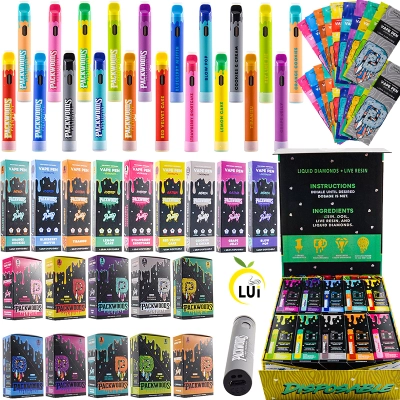
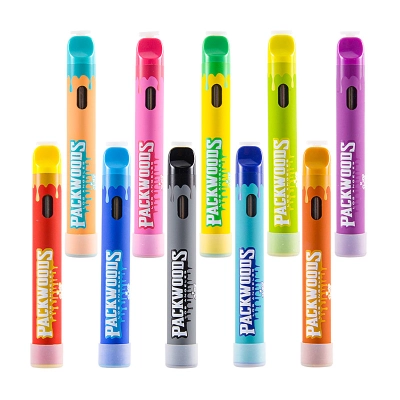
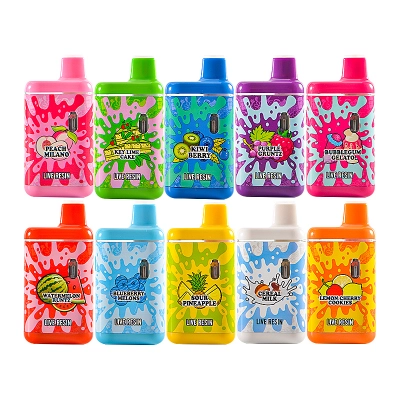
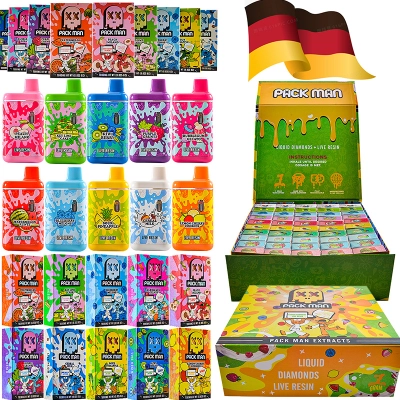
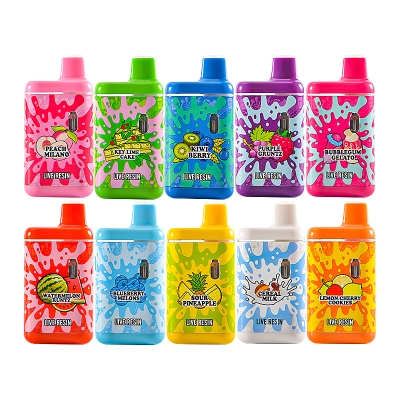
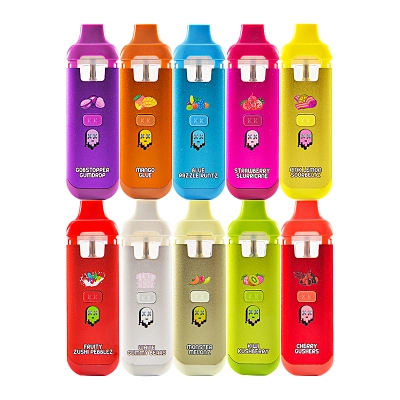
Design is where capacity becomes usable. A 3ml oil chamber requires hardware that can support the format without creating avoidable operational issues. Buyers should review the charging port, battery capacity, mouthpiece structure, airflow, filling process, and outer package before committing to bulk inventory. In the Packman 3ml format, the listed hardware combination includes Type-C charging and a 400mAh battery, two details that matter because they affect charging compatibility and general device planning.
Type-C charging has become a practical expectation across many consumer electronics categories. For vape hardware buyers, a Type-C port can make the device easier to explain because many adult consumers already understand the connector type. However, retail teams should avoid making unsupported performance claims. A charging port is a hardware feature, not a guarantee of device longevity, safety, or user outcome. The more accurate way to describe it is simple: Type-C charging supports a familiar charging interface and helps align the device with current accessory habits.
Battery capacity should be discussed with the same care. A 400mAh battery is a specification that helps buyers compare hardware formats, but it should not be turned into a promise about individual usage time. Usage patterns vary, and local rules may limit how products can be described in marketing. For B2B content, it is better to focus on what can be verified: the battery rating, charging style, oil capacity, packaging format, and whether the device is intended for qualified adult legal-market retailers.
Buyers comparing a packman disposable vape option should also inspect the outer design language. In regulated categories, packaging and product presentation should avoid youth-oriented visuals, cartoon-style claims, or language that could be interpreted as targeting minors. A clean, specification-led product page is generally more useful for wholesale decision-making than copy that relies on hype. Retailers need information they can use in purchasing, receiving, merchandising, and staff training.
Shelf Fit: How a 3ml Disposable Works in Retail Planning
Shelf fit is about more than whether the package physically fits in a display case. It includes how the item is grouped, how the label is read, how quickly staff can identify the SKU, and whether the product can be stocked without confusing it with lower-capacity items. For stores that carry multiple disposable formats, a 3ml item should be clearly separated from smaller formats through shelf tags, capacity labels, or planogram notes.
The best shelf placement depends on the retailer’s layout. Some adult-only stores group disposable hardware by brand family. Others group by capacity, such as 1ml, 2ml, and 3ml. A capacity-based layout can be useful when the customer’s first question is about size or format. A brand-family layout can be useful when the store already has strong customer recognition for Packman-related products. In either case, the shelf label should make the specification easy to understand without relying on exaggerated claims.
Retailers that already maintain a 3g disposable vape pen section can use the Packman 3ml format as part of a broader capacity comparison. A clear shelf tag might include capacity, charging type, and adult-use compliance language. For example: “3ml disposable hardware, Type-C charging, adult legal-market retail only.” This kind of description is more useful to staff than promotional slogans because it identifies the product category and reduces confusion during customer questions.
Shelf fit also includes backroom storage. Higher-capacity devices may come in larger outer cartons or require a different storage approach than compact disposables. Receiving teams should check carton quantity, package dimensions, SKU labeling, and batch documentation before the product is moved to the sales floor. A consistent storage workflow helps reduce misplaced stock and makes reordering more accurate.
Inventory Planning for Wholesale Buyers
Wholesale buyers should treat 3ml disposable hardware as a planned inventory segment, not an impulse add-on. Before placing a large order, compare current sales velocity for similar capacity products, return history, staff feedback, and available display space. If the store’s existing disposable category is built around smaller devices, a 3ml format may require new shelf signage and a short staff note explaining how to distinguish it from other Packman items.
A practical inventory review should include five questions. First, does the store have enough adult customer demand for a higher-capacity disposable format? Second, does the packaging clearly communicate capacity and hardware specifications? Third, can the store store and display the product without mixing it with smaller-capacity SKUs? Fourth, are staff trained to avoid unsupported claims about health, safety, or effects? Fifth, does the product comply with all applicable local, state, and federal rules for the market where it will be sold?
Buyers considering the USA warehouse Packman 3g disposable listing should also confirm availability, warehouse terms, and local market restrictions before publishing product copy or planning shelf space. Stock status and fulfillment conditions can change, so blog content should avoid time-sensitive promises unless the page is maintained frequently. Evergreen B2B content should focus on stable specifications, buying criteria, and compliance-minded merchandising.
Packaging and Display Considerations
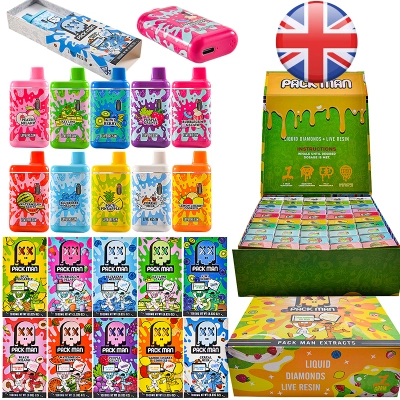
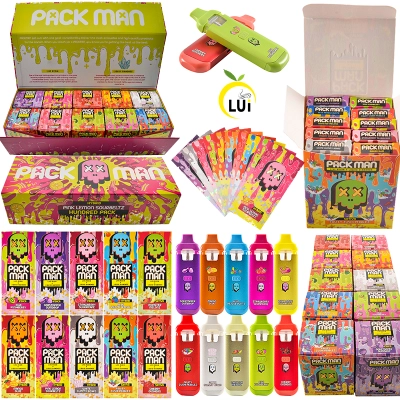
Packaging is often the first point of contact between the product and the retail team. For a 3ml disposable format, packaging should help staff identify the capacity quickly. It should also support barcode scanning, carton organization, and product separation. In a busy retail environment, small differences between similar SKUs can create confusion. Clear capacity labeling, readable product names, and consistent SKU placement reduce that risk.
Buyers should look for packaging that keeps the main product identity and capacity visible from the display angle used in store. If the item will be placed in a glass case, the front-facing panel matters. If it will be stored behind the counter and selected by staff, carton and side-panel labeling become equally important. For wholesale operations, the outer carton should make it easy to identify quantity, product family, and capacity without opening every unit.
Another display consideration is product adjacency. A Packman 3ml disposable can sit near other Packman hardware, near other 3ml devices, or in a dedicated higher-capacity disposable section. Each approach has a different purpose. Brand adjacency supports shoppers who already know the product family. Capacity adjacency supports comparison shopping. A dedicated section can help stores highlight a larger-capacity hardware category without making exaggerated claims.
Compliance-Minded Product Copy
Because disposable vape hardware belongs to a regulated and age-restricted category in many markets, product copy should be factual and careful. Avoid claims that the device is safe, healthy, therapeutic, or useful for quitting smoking. Avoid youth-oriented wording, cartoon-like language, or flavor descriptions written to attract minors. The strongest B2B copy is often the most straightforward: it explains capacity, charging style, battery rating, package structure, intended buyer, and legal-market use.
Blog editors should also avoid turning specifications into unsupported promises. “3ml oil capacity” is a specification. “Long-lasting for every user” is a claim that may not be verifiable. “Type-C charging” is a hardware feature. “Charges safely every time” is a safety claim that should not be made without proper certification support. “400mAh battery” is a rating. “Guaranteed all-day power” is a performance promise that may vary by use case.
A better editorial approach is to explain how buyers can evaluate the device. For example, a retailer can compare the Packman 3ml format against smaller disposables by reviewing capacity, package size, carton quantity, charging interface, shelf label clarity, and reorder timing. This gives the reader useful buying guidance while keeping the article grounded in verifiable product details.
Recommended Retail Use Case
The Packman 3ml disposable format is most suitable for adult-only retailers and wholesale buyers that want a larger-capacity disposable hardware option with a clear specification profile. It can be positioned as part of a capacity-based assortment, a Packman brand-family shelf set, or a broader disposable hardware comparison page. The most important point is consistency: the online description, shelf tag, staff explanation, and reorder notes should all describe the item in the same way.
For online merchandising, use a title that includes the main keyword and the practical buyer angle: capacity, design, and shelf fit. For the meta description, summarize the article in one sentence and avoid promotional overstatement. For internal links, connect the article to the relevant product page, brand category, disposable category, 3g capacity category, and warehouse listing. This helps readers move naturally from education to product comparison without forcing repetitive anchors.
Final Takeaway
A 3ml disposable device should be evaluated as a full retail item, not just a larger oil chamber. Capacity affects perceived value and reorder planning. Design affects how easily the hardware can be explained and compared. Shelf fit affects whether staff can display, identify, and manage the item accurately. For qualified adult legal-market buyers, the Packman 3ml disposable format offers a clear specification story when it is presented with accurate, compliance-minded copy.
The best content strategy is simple: lead with the verified specs, explain how those specs matter for wholesale and retail operations, and link readers to the most relevant internal pages using descriptive anchors. That approach supports search visibility, improves user navigation, and gives buyers the practical information they need before adding a 3ml disposable format to their assortment.
```
0 Comments