
New Whole Melts Drops: How Retailers Can Plan Inventory
Meta Title: New Whole Melts Drops Inventory Planning Guide | Lueciga
Meta Description: A compliance-first inventory planning guide for licensed adult-market retailers reviewing New Whole Melts drops, Wholemelt disposable vape formats, 2g devices, stock rotation, category mapping, and reorder controls.
Editorial Note: This article is written for licensed adult-market retailers, distributors, and compliance teams operating in jurisdictions where cannabis-related products are legally permitted. It is not medical advice, legal advice, or a recommendation to sell, purchase, import, export, or distribute restricted products in any market where such activity is not allowed.
Why New Whole Melts Drops Need a Stock Plan
New Whole Melts drops can create strong catalog interest because they combine brand recognition, compact disposable hardware, and a format that many licensed retailers already understand. However, inventory planning for cannabis vape products should not be managed like ordinary consumer goods. A retailer must consider licensing, product eligibility, labeling rules, age restrictions, storage controls, fulfillment limits, demand history, and reorder timing before adding any new item to the shelf plan.
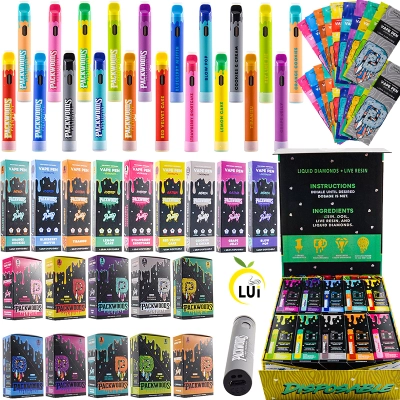
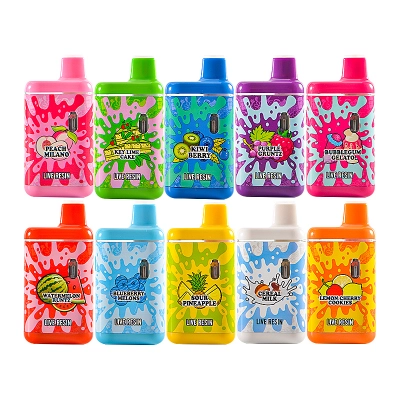
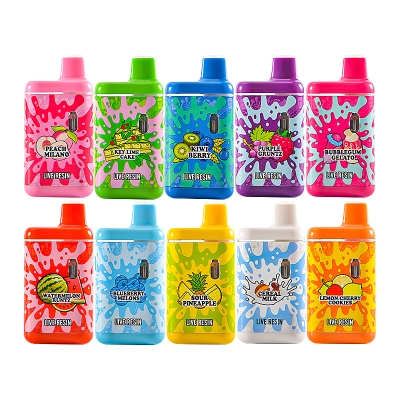
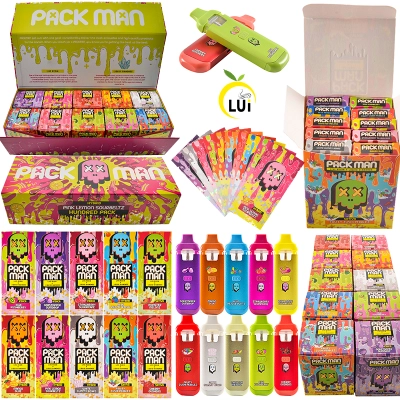
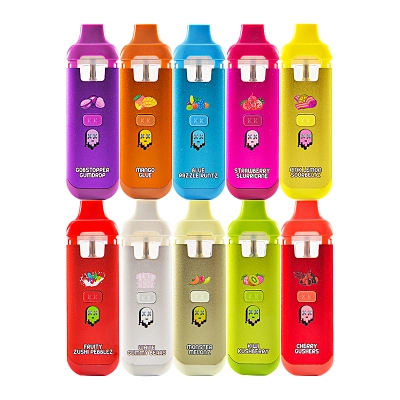
For teams reviewing new whole melts, the first step is to treat the product page as a hardware and catalog reference, not as a substitute for market-specific compliance review. The listed Whole Melts Phase 4 format highlights a 1ml+1ml structure, rechargeable Type-C design, ceramic coil details, and dual-chamber positioning. Those specifications help buyers classify the product, but they do not replace internal checks on legal market access, documentation, and approved sales channels.
Use Market Data, Not Guesswork
Retailers should plan new drops with a data-first method. Public regulated-market reports show that vaporizer products remain a meaningful part of legal cannabis sales in mature and emerging markets. In New York’s 2024 market report, disposable vaporizers represented more than one-third of vaporizer sales, while one-gram packages made up the majority of vaporizer package-size sales. Two-gram vaporizers represented a smaller but still visible segment. In Massachusetts, vape products were one of the top retail categories during the first half of 2025, behind flower and ahead of raw pre-rolls in reported sales value.
The practical takeaway is simple: do not assume every new 2g disposable drop should be ordered at the same depth as a proven 1g SKU. A new 2g format may deserve a controlled launch, especially if the retailer has not previously tested similar dual-chamber or screen-based devices. Use local sales history, category velocity, and product return data before expanding order volume. If the market has limited 2g demand, a smaller pilot can protect cash flow. If the store already sees strong repeat demand for premium disposable hardware, the same product may justify a larger opening allocation.
Classify the Product Before Ordering
Inventory planning starts with classification. The buyer should decide whether the drop belongs in a brand collection, a capacity collection, a disposable vape collection, or a dual-chamber hardware collection. For many retailers, the best starting point is the broader wholemelt category because it allows the team to compare adjacent models, package formats, and product-page language before selecting a specific item.
Once the category is clear, the retailer can assign the product to a stock tier. A new drop with no internal sales history should usually begin as a test SKU. A model with proven repeat sales can move into a core SKU tier. A seasonal or limited item may belong in a short-cycle promotional tier. This classification helps the purchasing team avoid two common mistakes: under-ordering a proven format or over-ordering a product that has strong search interest but limited store-level conversion.
Map Demand by Capacity and Format
Capacity matters because shoppers and buyers often compare disposable vape products by gram size. Public market data suggests that 1g packages remain highly visible in regulated vaporizer sales, while 2g packages can serve a more specific value and convenience segment. For New Whole Melts drops, that means retailers should not treat “2g” as an automatic signal to overstock. Instead, they should review whether their own customers respond better to smaller, faster-moving units or larger-capacity formats.
Retailers comparing a wholemelt disposable vape listing should evaluate three questions. First, does the format fit current shelf demand? Second, does the product page provide enough technical detail for staff training and product intake? Third, does the store have a reorder process that prevents slow-moving vape inventory from sitting too long? If the answer to any of these questions is unclear, the first order should be limited and measured carefully.
Build a Pilot Order Framework
A pilot framework gives retailers a safer way to test new drops. Instead of ordering based only on wholesale availability, the retailer can assign a launch window, sales target, reorder trigger, and review date. For example, the team can test a new Whole Melts drop for two to four weeks, track sell-through by location, compare it with existing disposable vape SKUs, and decide whether the item should be reordered, reduced, or replaced.
The pilot should include intake checks, staff notes, customer feedback summaries, and any product issue reports. Vape inventory can create hidden costs when returns, defects, leaking, clogging, or compliance holds are not tracked. A clean pilot process allows the retailer to separate true demand from short-term curiosity. It also helps the purchasing team avoid repeating errors when future Whole Melts drops become available.
Review Hardware Features Without Overpromising
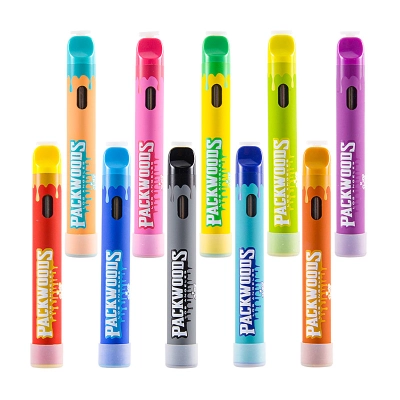
Product pages often highlight hardware details such as chamber structure, coil type, battery format, charging method, and screen design. These details can help retailers compare items, but they should be described carefully in blog content and staff materials. Avoid making unsupported claims about safety, medical benefits, potency outcomes, or guaranteed user experience. A better approach is to describe observable hardware features and explain how those features affect inventory classification.
For example, a dual chamber vape format may require a different product explanation than a single-chamber disposable. Staff may need to understand how the chamber structure is presented, how the packaging identifies the format, and how the product should be grouped in the display case. The inventory team may also want to separate dual-chamber devices from standard disposables in the point-of-sale system so sales velocity can be tracked more accurately.
Plan Reorders Around Sell-Through, Not Hype
New drops can attract attention, but attention is not the same as stable demand. Retailers should create reorder rules before the product launches. A simple rule might include minimum weekly unit movement, acceptable return rate, compliance clearance, and margin threshold. If the product meets the target, it can move from test stock to replenishment stock. If it fails the target, the retailer can reduce exposure before too much capital is tied up.
It is also important to separate online interest from in-store conversion. A product may receive search traffic because of the Whole Melts name, but local demand still depends on store demographics, legal market maturity, pricing expectations, and competing vape formats. Reorder planning should therefore combine search demand, point-of-sale data, and staff feedback. The best inventory plan is not the biggest order; it is the order that matches verified demand and compliance readiness.
Use Internal Links to Support Buyer Navigation
Internal linking should help readers move from the blog topic to the most relevant product or category page. For this article, the first link should point to the New Whole Melts product reference. The second and third links should help readers compare the broader Whole Melt disposable category. A fourth link can support dual-chamber comparison, while a fifth link can guide buyers who are specifically reviewing capacity-based disposable vape options.
For capacity-based browsing, retailers can compare the product with other 2g disposable vape pen listings. This helps purchasing teams understand whether a New Whole Melts drop should be stocked as a brand-specific item, a 2g format item, or a dual-chamber disposable item. The anchor text should stay descriptive and natural. Repeating the same exact-match phrase too many times can make the article feel forced and less useful to readers.
Compliance Checklist for Retail Buyers
Before a retailer adds any new Whole Melts drop to inventory, the compliance team should confirm licensing, age-gated sales rules, product documentation, labeling requirements, local product eligibility, shipping restrictions, and internal approval status. This is especially important for cannabis-related vape products because rules can differ by jurisdiction and may change over time.
The blog title and body copy should also avoid prohibited or risky claims. Do not describe THC or CBD products as dietary supplements. Do not imply FDA approval unless a specific product has that status. Do not use health claims, disease claims, cessation claims, or language that suggests the product is risk-free. For retailer-facing content, the safest editorial position is factual, hardware-focused, and compliance-first.
Final Takeaway
New Whole Melts drops can be useful additions to a licensed retailer’s vape catalog, but they should be planned with discipline. The right process starts with category classification, moves into a controlled pilot order, tracks sell-through and returns, and only then expands into replenishment stock. Retailers should use market data as context, but local sales history should drive the final inventory decision.
For Lueciga, the strongest blog approach is to position this topic as a practical inventory planning guide rather than a high-pressure sales article. Keep the title clear, keep the H1 consistent with the Meta Title, use exactly placed internal links, avoid price-based title wording, and maintain a licensed adult-market compliance tone throughout the article.


0 Comments