
Muha Meds Empty Disposables Wholesale Guide: MOQ, Case Packs and Authentic Shell Checks (2025)
For B2B buyers, “empty disposables” are an operations product as much as a catalog product. Your profitability depends on three things: (1) MOQ and case-pack math, (2) how you prevent pick/pack mistakes at scale, and (3) how consistently you can verify you’re receiving the right shells—on time, in the right configuration, and within your acceptance bands.
Scope: This guide is written for empty hardware procurement and inbound QC workflows.
1) MOQ in the Real World: What to Expect and How to Negotiate
MOQ is not a single number—it’s a purchasing constraint shaped by device body type, packaging method, and how many variants you’re trying to run at once. The fastest way to avoid costly surprises is to request MOQ in writing for each of these layers:
- Device MOQ: the minimum to run a specific shell configuration.
- Packaging MOQ: the minimum for a specific box style or print run.
- Variant MOQ: the minimum per variant (e.g., finish, window, button layout).
Practical tip: anchor your MOQ to your reorder cadence
If your best accounts reorder every 2–4 weeks, your MOQ should support that rhythm. Overshooting MOQ forces slow-moving inventory and discounting; undershooting MOQ increases per-unit overhead and increases the chance of backorders during spikes.
Start from the catalog “lot sizes” you actually see
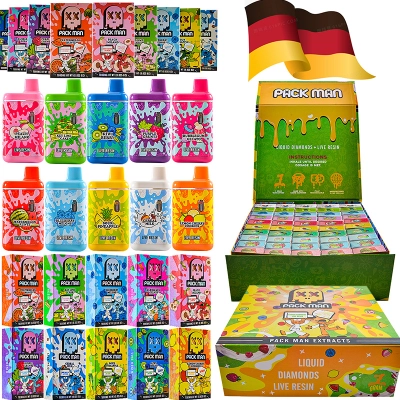
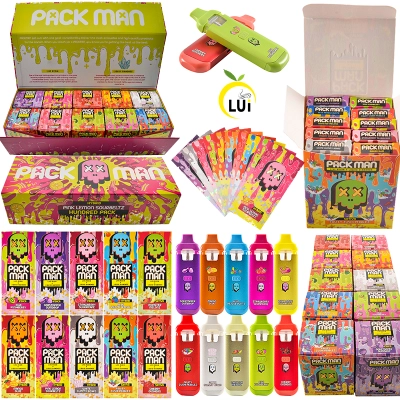
In the Muha Meds lineup, you’ll commonly see structured lots like 100 pcs/lot, 200 pcs/lot, 500 pcs/lot, or 1000 pcs/lot on listings—use those as negotiation anchors, then tighten the terms with clear case-pack rules.
Build your program hub first. Use muha meds as the master reference page for your team (procurement, warehouse, CS) so everyone aligns on which SKUs are “core reorder” vs “test-only.”
2) Case Packs, Master Cases, and Warehouse Handling
Case packs are your hidden margin lever. When your case-pack rules are sloppy, you pay for it in three places: mis-picks, damaged cartons, and slow receiving. When case packs are clean, you accelerate replenishment and reduce returns disputes because everyone can count units the same way.
Define the three packaging layers
- Inner pack: the smallest shippable unit used for counting and inspection.
- Case pack: the operational unit for pick/pack and retail replenishment.
- Master case: the bulk logistics unit (pallet math, inbound planning, and storage density).
Why master cases matter in 2025
If you’re serving multi-store operators or high-velocity accounts, master-case discipline is what turns your catalog into a predictable supply system. The goal is to make reorders “copy/paste”: same case count, same labels, same receiving steps, and fewer surprises.
For a deeper operations playbook on speed and master-case structure, reference: US warehouses and master cases. It’s a useful internal framework for how B2B teams reduce restock friction when volume grows.
Write case-pack rules like a contract clause
Case packs should be explicit: “X units per case, Y cases per master case, carton label must include SKU, variant code, and pack count.” If you don’t specify it, you’ll inherit someone else’s assumption—and that’s when receiving slows down and disputes begin.
3) Authentic Shell Checks: What to Verify (Without Slowing Receiving)
“Authentic shell checks” are not about aesthetics—they’re about reducing cost-of-quality. Your receiving team needs a fast, repeatable way to confirm: (1) correct SKU/variant, (2) consistent packaging/labeling, and (3) no obvious substitution risk. Avoid checks that require specialized equipment unless your volume justifies it.
Fast checks (5–10 minutes per case)
- Carton label match: SKU, variant code, pack count, and warehouse location tag (if used).
- Print/box consistency: consistent alignment, no mixed cartons inside the same master case.
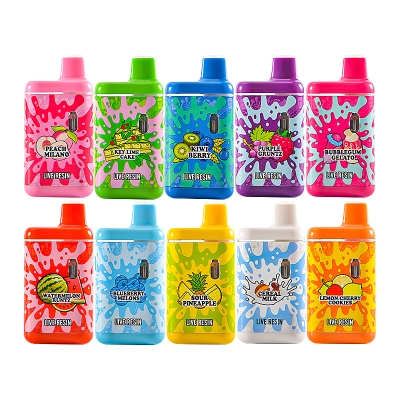
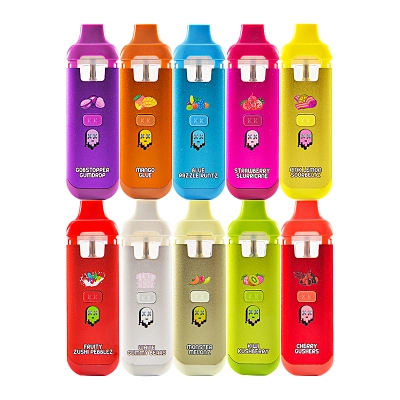
- Shell consistency: finish, button placement, window/screen cutouts, and connector seating (visual + feel).
- Accessory completeness: inserts, trays, or protective elements present and consistent.
Acceptance bands (the key to fewer disputes)
Don’t argue quality case-by-case. Define acceptance bands up front: allowable cosmetic variance, allowable packaging variance, and “auto-reject” defects (cracks, missing parts, obvious misprints, mixed variants inside one case). This turns quality into a checklist—not a debate.
When you’re building or expanding your disposable program, keep the purchasing team aligned using the dedicated collection page: muha meds disposable. Treat it as the approved “reorder shelf” and move experimental variants to separate test orders.
4) Sample → Pilot → Bulk: The Repeatable B2B Workflow
Step 1: Samples (prove the spec, not the photos)
Samples should confirm physical details your warehouse cares about: packaging sturdiness, shell consistency, and how the unit survives handling. Photograph what you accept and store it as your internal “golden sample.”
Step 2: Pilot run (prove your receiving process)
A pilot run tests your real workflow: counting, storage, pick/pack, and returns handling. This is where you validate case-pack rules and confirm that your acceptance bands match reality.
Step 3: Bulk (optimize for repeatability)
Bulk should be boring. The win is consistency: stable case packs, stable labeling, stable inbound checks, and stable reorder timing. When bulk is stable, your sales team can sell with confidence—and your warehouse can move faster with fewer errors.
5) Receiving Checklist and RMA Guardrails
Receiving checklist (copy/paste)
- Confirm PO number, SKU list, and expected case-pack counts.
- Inspect outer cartons for crushing, punctures, or tape rework.
- Match carton labels to SKU + variant code + units per case.
- Open a small sample from each master case and confirm shell consistency.
- Document any variance with photos and case ID labels on day of receipt.
RMA guardrails that reduce losses
Set clear, simple rules: an RMA window, required proof (photos + carton label), and how you handle mixed-variant cartons or incorrect pack counts. The goal is to resolve issues quickly without turning every claim into a negotiation.
Bottom line: Winning with Muha Meds-style empty disposables in 2025 is about repeatable operations— MOQ that matches reorder cadence, case packs that prevent warehouse chaos, and “authentic shell checks” that catch substitutions early without slowing receiving.
0 Comments