
Muha Meds Digital Screen vs Classic 2G Shells: A Hardware-Only Guide for Empty Disposable Buyers
In 2025, Muha Meds 2 gram disposables have evolved from simple, all-in-one sticks into a family of devices that now includes digital-screen versions, higher-capacity 3.5 g units, and refined classic 2 g shells. On the consumer side, most of the attention goes to oil types, strain names and effects. On the B2B side, serious buyers are asking a different question: “Which shell do I choose as my empty platform – the new screen devices or proven classic 2 g bodies?”
This article answers that question from a hardware-only perspective. We will not talk about potency or medical claims. Instead, we will look at how Muha Meds-style digital-screen devices compare with classic 2 g shells in terms of design, QC risk, cost, and daily operations when you buy them as empty disposables for your licensed filling partners.
1. Market Context: Muha Meds 2G Disposables and Screen Devices
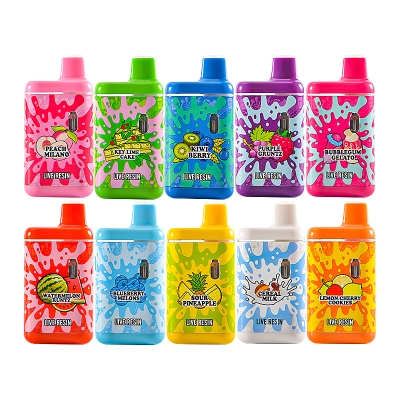
Retail listings across licensed markets describe Muha Meds 2 g disposables as pre-filled, ready-to-use pens with live-resin or liquid-diamond concentrates, built on sleek all-in-one hardware that doubles the capacity of older 1 g formats. Many pages emphasize rechargeable batteries, upgraded ceramic coils and 2 g “all-in-one” chassis designed for flavor and consistency.
Over the last product cycles, Muha Meds also rolled out higher-capacity 3.5 g melted-diamond devices with adjustable settings and USB-C recharge, plus new 2 g editions that reviewers highlight for their “crazy screens” – small LED or LCD panels that show at least battery status and sometimes puffs or mode information. For B2B hardware buyers, this creates a clear split: classic 2 g shells without screens, and next-generation 2 g shells with digital displays layered on top of the same basic 2 ml architecture.
2. Lueciga’s Muha Meds Hardware Families for B2B Buyers
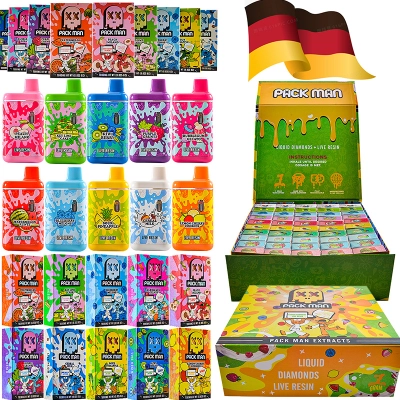
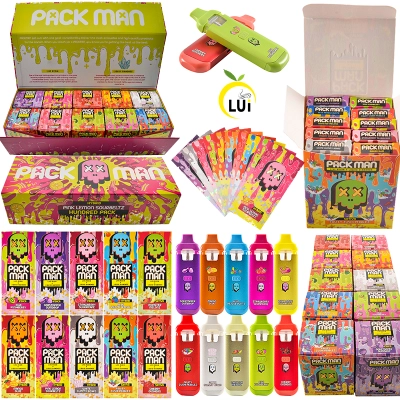
On Lueciga, Muha Meds-inspired products are grouped so you can browse by hardware family instead of chasing one-off SKUs. The core muha meds category functions as a brand-style overview: it brings together devices, packaging and related shells that follow Muha Meds aesthetics and form factors, including 2 g and 3.5 g disposables.
When you want to focus on disposable-style shells, move into the muha meds disposable section. There you will typically see 1 g and 2 g chassis, sometimes with variants that mirror Gen 3 or melted-diamond designs: classic 2 g bars, higher-capacity bodies and, depending on the batch, empty shells designed around LED-display 2 g devices. For B2B teams, this structure makes it easy to shortlist a few shells and then decide whether your flagship project should be screen-based or classic.
3. Classic 2G Shells: What “Standard” Muha Meds Devices Look Like
3.1 Form factor and capacity
Most classic 2 g Muha Meds disposables follow a simple recipe: a compact rectangular or slightly rounded body, a hidden 2 ml tank, and a rechargeable internal battery sized to clear the full 2 g of oil with margin. From a shell-design point of view, that means:
- Oil capacity: 2 ml / 2 g (2000 mg).
- Tank material: PCTG or similar terpene-resistant polymer.
- Coil: ceramic core around 1.4 Ω for thick oils.
- Oil inlets: 2–4 intake holes sized to keep live-resin or THCa blends moving.
- Battery: mid-200 to low-300 mAh rechargeable cell.
Classic shells typically use a small LED indicator rather than a full display. The LED communicates battery status and fault conditions in a simple way (blink patterns, color changes), but there is no text or numeric puff count.
3.2 Strengths and limitations for empty-hardware buyers
For B2B buyers purchasing empty shells, classic 2 g devices have three big advantages:
- Simplicity: fewer components (no screen, fewer PCB failure points) make them easier to qualify and scale.
- Cost: per-unit prices are generally lower than screen-equipped versions, especially at high MOQs.
- Compatibility: they match a wide range of oil types without complex firmware or user settings.
The limitation is branding and user feedback: without a screen, all communication is handled by box design, strain naming and simple LED signals. For many projects, that is enough; for premium tiers, you may want more.
4. Digital-Screen 2G Shells: Features and Tradeoffs
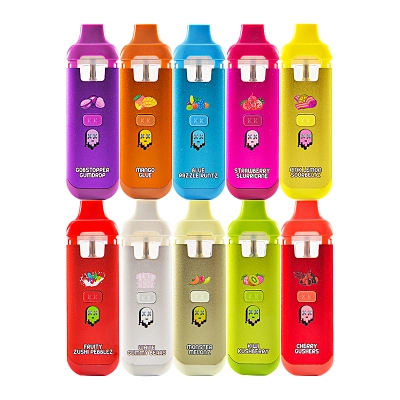
Digital-screen Muha Meds devices take the same basic 2 g concept and add a small LED or LCD display that shows status information. Empty hardware listings for “Muha Meds LED Display 2g Empty Disposable” make it clear that this is still a 2 ml shell – but with a visible screen mounted on the body and a more complex PCB driving both heating and display.
4.1 What the screen usually does
Although implementations differ, digital screens on 2 g devices are typically used to:
- Show battery level in bars or percentage.
- Display puff count or puffs remaining estimates.
- Indicate pre-heat or error states via icons or short codes.
For consumers, this reduces guesswork about battery life and helps explain why a device has stopped firing (for example, low battery vs a clogged inlet). For brands, it provides a visible “tech upgrade” that justifies premium positioning.
4.2 Extra complexity for B2B buyers
The same features that make screens attractive also increase complexity:
- The board is more sophisticated, so PCB defects and firmware issues must be checked carefully during pilot runs.
- Screen assemblies introduce additional tolerance and assembly checks (alignment, brightness, protection from impact).
- Battery draw is slightly higher due to the display, so capacity and power management must be tuned to ensure the device still finishes 2 g comfortably.
In other words, screen-equipped 2 g shells deliver more features, but demand a stricter engineering and QC program from your side.
5. Digital Screen vs Classic 2G: Which Shell Fits Which Project?
When you compare digital-screen vs classic 2 g Muha Meds-style shells as empty hardware, it helps to match each option to a specific project type.
5.1 When classic 2G shells make more sense
- First 2 g launch: you are new to 2 g disposables and want to minimize variables while you validate oils and supply chains.
- Cost-sensitive SKUs: you want a strong value line that still uses quality ceramic cores and rechargeable batteries, but without screen overhead.
- Simpler regulatory environments: markets where screens add little perceived value compared to clean boxes and clear strain labeling.
5.2 When digital-screen 2G shells are the better fit
- Flagship or collab lines: you want a “hero” product with extra perceived technology and storytelling hooks.
- Data-driven experience: you want users to see real-time battery status or puffs to reduce complaints and support tickets.
- Competitive retail environments: shelves where screens visually separate your 2 g SKUs from dozens of non-screen disposables.
Many teams choose a hybrid approach: launch classic 2 g shells as the core line, then introduce one or two digital-screen SKUs as a premium tier once the oil and logistics are stable.
6. Ordering and QC Checklist for Empty Muha Meds-Style Hardware
Whether you buy classic or digital-screen shells through Lueciga, your ordering and QC framework should be explicit. Start from the product families in muha meds and muha meds disposable, then follow a structured checklist:
- Confirm “empty only” status: all POs and invoices should state clearly that devices ship as empty hardware (no oil, no nicotine, no cannabinoids).
- Lock in spec sheets: tank volume, coil resistance, oil inlet dimensions, battery capacity, and charging type (USB-C vs micro-USB).
- Order pilot lots: small batches that you fill with your own oil to test leak rates, clog behavior and battery runtime in real conditions.
- Define acceptance bands: set numeric thresholds for DOA, leaks, screen failures (if any) and cosmetic defects, and tie them to RMA terms.
- Check packaging fit: make sure your custom boxes, labels and compliance panels align with the shell geometry and any display windows.
For digital-screen shells, add extra checks for display brightness, screen alignment, and error-code behavior under different battery and temperature conditions.
7. Key Takeaways for Empty Disposable Buyers
Digital-screen Muha Meds-style devices and classic 2 g shells are two faces of the same underlying idea: a compact, rechargeable 2 g disposable platform for high-end oils. Classic shells keep things simple and efficient; screen-equipped shells add feedback and visual drama at the cost of extra complexity and QC work.
By using Lueciga’s structured categories for muha meds disposable hardware, you can treat both shell types as parts of a unified system: core 2 g lines on classic devices and premium collaborations or flagship SKUs on digital-screen chassis. If you match the shell choice to your project goals and back it with disciplined engineering and QC, your empty Muha Meds-style disposables become a stable, scalable platform instead of a gamble.
0 Comments