
Muha Meds 3.5g Empty: When Super-Size Hardware Works (and When It Doesn’t)
Important Disclaimer: Empty Shells Only, Nominative Use Only
This article is written for brands, licensed fillers, and wholesale distributors who work with empty disposable vape hardware in regulated markets. All references to “Muha Meds” are nominative and descriptive, referring to branded-style empty shells and compatible packaging. Lueciga does not sell filled products, does not make health or potency claims, and does not claim ownership of any third-party trademarks. Always follow your local laws and consult legal counsel before launching any finished product line.
Why 3.5g Empty Disposables Are Trending
In 2025, the disposable segment on the consumer side is moving steadily toward larger-capacity devices — not just 1 g and 2 g, but 3 g and 3.5 g formats, and even “high-puff” designs claiming tens of thousands of puffs per unit. Industry briefings aimed at retailers highlight the shift toward longer-lasting, rechargeable disposables with bigger reservoirs, advanced ceramic cores, and clear compliance signaling such as QR codes for Certificates of Analysis (COAs) and better packaging.
On the empty-hardware side, that demand shows up as more inquiries for 3.5 ml all-in-one (AIO) shells—often modeled after popular muha meds aesthetics. Larger tanks are especially attractive for:
- loyal, high-frequency adult consumers who prefer fewer refills/purchases,
- premium concentrates such as live resin, liquid diamonds, or THCa blends,
- travel scenarios where carrying multiple devices is inconvenient, and
- subscription or “bundle” programs that reward repeat purchasers with better value per gram.
For B2B buyers, the key takeaway is simple: super-size empty hardware is no longer a niche. It is a visible trend that may deserve a clear slot in your lineup—if you understand where it adds value and where it quietly increases risk.
When Super-Size 3.5g Hardware Works for Your Brand
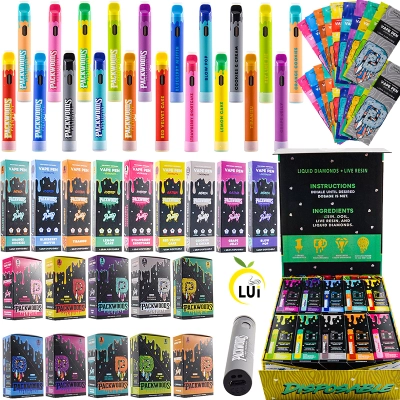
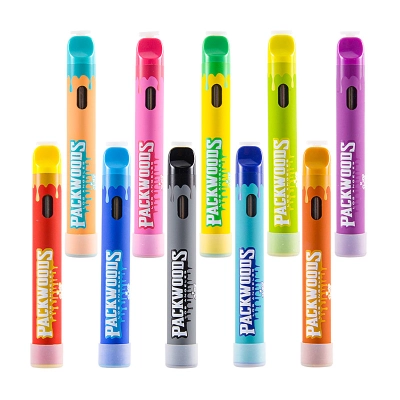
A Muha-style muha meds 3.5 gram disposable shell sits at the top of the capacity ladder. Used correctly, it can become a hero SKU that anchors your line and supports stronger margins. The format tends to work best when:
1. You Serve a Mature, Performance-Oriented Audience
Larger-capacity devices are naturally targeted at users who already understand dose control, hardware behavior, and their own consumption patterns. On the consumer side, pricing analyses in 2025 show that many 2 g devices cluster around a lower price point, while 3.5 g units often carry a noticeable premium but offer more total material per device. For a brand, that means:
- a higher ticket price per unit,
- similar or better value per gram for the end buyer, and
- space to invest in higher-end hardware and packaging without destroying margins.
2. Your Oils Justify the Bigger Tank
Super-size shells make far more sense for premium extracts that your customers actively seek out, including live resin and similar high-viscosity formulations. For these oils, better hardware and a higher capacity can reduce:
- frequency of device changes,
- risk of coil burnout from “under-sized” devices pushed too hard, and
- overall packaging waste per gram sold.
A well-designed empty 3.5 g shell with the right coil, inlet geometry, and battery/runtime balance supports consistent performance over a larger number of sessions, which is exactly what heavy users expect from this format.
3. You Have Strong QA, Logistics, and Warranty Processes
A 3.5 g disposable concentrates more value into each unit. If hardware fails early, the perceived loss to the end consumer and the pressure on your customer service team are much higher than with a 1 g pen. That is why this format works best for brands that already:
- run incoming QA on empty hardware (visual checks, leak tests, resistance checks),
- partner with labs that understand heavy-metal and extract-in-device testing,
- track lots and batches via QR codes or scannable stickers, and
- have clear policies for handling device returns and replacement claims.
When 3.5g Super-Size Hardware Can Backfire
On the other hand, a 3.5 g shell is not automatically the right answer for every SKU, market, or brand stage. There are several situations where it is smarter to stay with 1 g or 2 g formats first.
1. Early-Stage Brands Still Proving Product-Market Fit
If your brand is new, pushing a large, premium-priced 3.5 g disposable can actually slow you down. New labels often need:
- lower price points to encourage trial,
- fast feedback cycles on flavors or strains, and
- flexibility to rotate SKUs without tying up capital in big devices.
In this phase, a 1 g or 2 g shell is often enough to build trust. You can introduce 3.5 g as a “step-up” format only once you see strong repeat behavior on your core SKUs.
2. Markets with Strict Regulations or Fast-Changing Rules
Many U.S. states now combine device-level requirements (child-resistant packaging, warning language, batch-level COAs) with volume, tax, or potency rules that directly affect large-capacity devices. In markets where:
- taxes are high on a per-milliliter basis, or
- regulators are debating maximum device volumes,
it may be safer to lead with smaller formats first. A sudden rule change is less painful if your hardware investment is concentrated in 1 g–2 g shells than in 3.5 g models.
3. Operations Without a Strong Hardware-Test Program
Larger devices amplify the cost of every hardware defect. If batteries, seals, or coil assemblies are not validated properly, you are not just risking a single unit—you are risking a high-value SKU that customers expect to last much longer. Before scaling a Muha-style muha meds 3.5 gram disposable program, it is essential to have:
- a defined test plan for empty hardware (visual, resistance, vacuum/leak checks),
- reliable partners for transport safety tests on lithium batteries, and
- clear documentation for your customers explaining device behavior and protections.
Technical Checklist for Muha-Style 3.5g Empty Shells
Once you decide that a super-size empty shell belongs in your portfolio, the next step is to ensure that the hardware spec is built for long, heavy use. Below is a practical checklist you can use when comparing 3.5 g models.
1. Coil, Inlets, and Oil Compatibility
- Ceramic core with mid-range resistance (often 1.2–1.4 Ω) to balance flavor and efficiency.
- Oversized oil inlets for live resin, liquid diamonds, and other high-viscosity oils.
- A design that maintains consistent wicking over the entire 3.5 g volume, not just the first half.
2. Battery & Electronics
- A rechargeable lithium-ion cell with enough capacity to finish 3.5 g without frequent charging.
- Multiple protection features: over-charge, over-discharge, short-circuit, and over-temperature cutoffs.
- Evidence that the battery platform can support UN 38.3 transport testing and relevant safety standards such as IEC 62133-2 for portable cells, especially if you ship internationally.
3. Heavy-Metal & Materials Considerations
Regulators and labs are increasingly focused on heavy-metal migration from hardware. Even though Lueciga only supplies empty shells, B2B customers often require that the hardware can pass heavy-metal panels once filled and stored. When you evaluate 3.5 g devices, look for suppliers who:
- use certified, low-leach alloys and ceramics,
- can share third-party test reports from reputable labs, and
- understand test protocols where cartridges or disposables are held at elevated temperature for several weeks before metal analysis.
4. Packaging, Labeling, and Traceability
- Outer cartons designed for safe transport and palletization (ISTA-style thinking, even if not formally certified).
- Child-resistant and tamper-evident retail packaging where required by law.
- Room on the packaging for:
- batch identifiers,
- QR codes linking to COAs and compliance pages, and
- clear “empty hardware only” statements for B2B shipments.
How 3.5g Fits Into Your Empty-Hardware Portfolio
In a typical B2B program, 3.5 g shells should rarely be the only devices you offer. Instead, think of them as the top tier in a staggered capacity ladder:
- Entry tier: 0.5–1 g for trial SKUs, new flavors, and more price-sensitive buyers.
- Core tier: 2 g for everyday use and the bulk of your volume.
- Hero tier: 3–3.5 g for your best-performing SKUs and most loyal customers.
Within that structure, a Muha-style muha meds 3.5 gram disposable shell becomes a clear signal: “this is the flagship format.” It gives your sales team a compelling upsell option, while your operations team can standardize on one proven 3.5 g platform instead of juggling many different super-size devices.
For distributors and private-label partners, working with an experienced empty-hardware factory like Lueciga also means:
- aligned lead times across capacities,
- coordinated packaging systems, and
- a single point of contact for technical updates and compliance questions.
Quick B2B FAQ: Muha Meds-Style 3.5g Empty Hardware
Is 3.5g “too much” for one device?
It depends on your segment. For casual or first-time buyers, 3.5 g can feel expensive and unnecessary. For mature, high-frequency consumers who already buy multiple smaller devices per month, a single 3.5 g unit can actually simplify their purchasing behavior. From a brand perspective, you should position this format as an upgrade, not the default starting point.
Are 3.5g disposables legal in every market?
No single answer fits all jurisdictions. Some states and countries focus on total volume per device, others focus on potency per package, and many apply both product and packaging rules. As an empty-hardware supplier, Lueciga can help you source devices that are technically robust, but you are responsible for working with compliance professionals to ensure your finished goods meet local requirements.
How should I brief my supplier when asking for 3.5g shells?
When you request Muha-style super-size hardware, share as much detail as possible:
- target oils (viscosity, typical formulations),
- target markets and regulatory constraints,
- preferred coil range and airflow style,
- expected shipping routes (to align with battery transport guidance), and
- branding or packaging concepts you already plan to use.
That information helps your supplier recommend the right empty shell + packaging combination and reduces the risk of re-engineering devices mid-launch.
0 Comments