
Muha Lemonade Collab: Device Style and Audience Appeal
In adult-only hardware catalogs, a collaboration label often does more than identify a product family. It also signals a design language, a visual mood, and an implied audience. That is one reason a theme like “Muha Lemonade” attracts attention even before a visitor studies device specifications. The name suggests brightness, familiarity, and a more defined shelf identity than a generic listing title ever could. In editorial terms, that makes it a useful case study for understanding how naming and form factor work together in online product presentation.
A strong collaboration identity usually succeeds because it simplifies recognition. When a shopper lands on a broad Muha Meds collection page, they are not only scanning for battery size or shell dimensions. They are also looking for visual anchors that help them decide which listings deserve closer attention. Collaboration language helps create those anchors. It turns an otherwise technical item into something easier to remember, easier to compare, and easier to place within a wider catalog story.
That effect becomes even clearer when the collaboration name is paired with a distinct device style. Product names alone can catch the eye for a moment, but design cues keep the visitor engaged long enough to evaluate fit. A rounded shell, a brighter color strategy, or a more playful naming convention can all change how a device is perceived. In a crowded catalog environment, people rarely experience naming and design as separate layers. They process them together. A title may attract the initial glance, but shape, finish, and layout determine whether that glance becomes a click and whether that click becomes deeper browsing.
“Audience appeal” in this context does not simply mean popularity. It refers to the way different buyer groups interpret the same device signals. Some visitors respond most strongly to recognizable collection naming. Others focus on the hardware category first and use collaboration language only as a secondary filter. A third group cares less about the branding story and more about whether the device feels modern, organized, and compatible with the rest of a curated assortment. That is why an article about a Muha Lemonade-style collaboration can be genuinely useful without becoming promotional: it helps explain how naming, styling, and category placement shape interpretation.
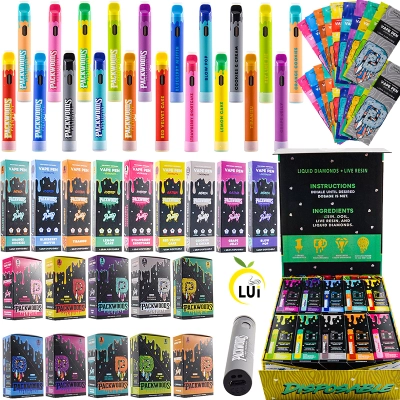
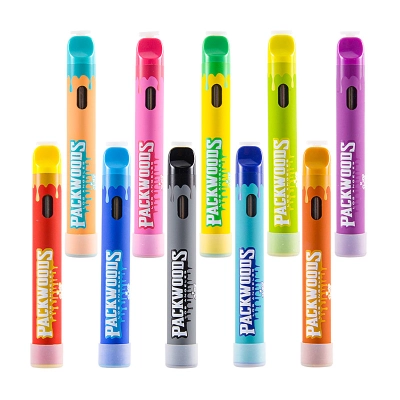
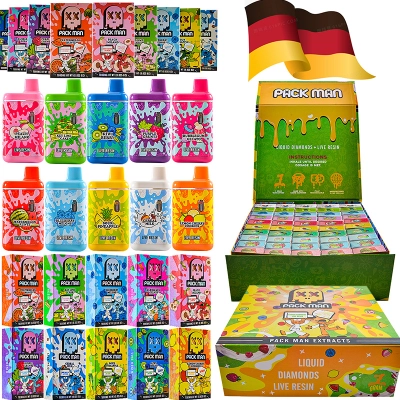
Device format also matters because it creates expectations before a person reads the full product copy. A visitor who opens a 2g disposable format page is already thinking in terms of balance: capacity, portability, visibility, and overall presentation. In other words, the format itself creates a frame. Once that frame is in place, collaboration language has an easier job. It does not need to do all the persuasive work by itself. Instead, it adds tone and differentiation to a format the visitor already understands.
This is one reason style-led collaborations often perform well in catalogs with many near-similar listings. When the underlying hardware categories begin to look repetitive, the visual and semantic cues around each device become more important. A collaboration theme can add enough distinction to make one listing feel less generic than another, even when the basic category is familiar. That distinction does not have to be loud or exaggerated. In many cases, it works precisely because it feels coherent. The name, the shell, the image treatment, and the category label all point in the same direction.
Design coherence is especially important for audience interpretation. Visitors tend to trust listings that look internally consistent. If the collaboration name suggests one personality while the device shape suggests another, the page may feel improvised. If the naming, imagery, and hardware cues align, the page feels more intentional. That sense of intention matters not just for aesthetics but for navigation. A coherent page helps visitors decide where to go next. It supports smoother internal journeys between collection pages, device categories, and adjacent formats.
The “Muha Lemonade” concept is helpful here because it sits at the intersection of familiarity and specificity. It sounds like a defined collaboration, yet it also leaves room for different shell styles and merchandising approaches. That flexibility matters in content strategy. A blog post built around device style and audience appeal can discuss why certain naming combinations feel vivid or memorable without making product claims or relying on aggressive sales language. It can stay focused on interpretation: how people read catalog signals, how visual shorthand affects comparison, and how presentation choices guide navigation.
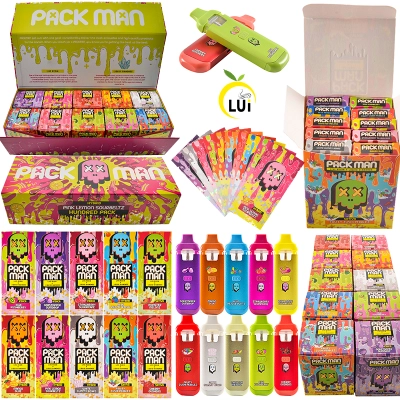
One useful way to understand this is by comparing style priorities across device categories. Some categories communicate novelty through structure. A dual chamber device format immediately suggests a more feature-driven presentation. Even before a person studies details, the category signals a different type of experience than a simpler single-chamber disposable. That changes the audience lens. Visitors approaching this kind of page may be more interested in flexibility, differentiation, or technical complexity than in a straightforward flavor-led identity. By contrast, a more classic disposable shape can lean harder on collaboration naming and visual mood.
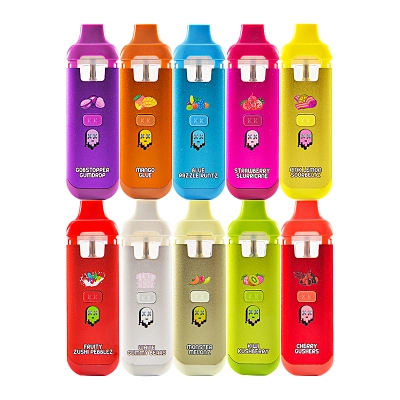
Screen-based devices create another layer of audience interpretation. A screen-equipped vape hardware page often feels more visibly “tech forward” than a listing defined mainly by shape or finish. In those cases, the appeal may come less from collaboration naming and more from the device’s perceived interface value. Yet the collaboration theme still matters. It can soften the presentation, add memorability, and keep the device from feeling too abstractly technical. For some users, that blend of recognizable naming and modern hardware cues is exactly what makes a listing easier to understand.
Audience appeal also depends on where a page sits within the broader site architecture. If a collaboration-themed product appears as an isolated page with no supporting context, its identity has to carry too much weight alone. But when it sits near related collection, capacity, and design-category pages, the visitor can interpret it more easily. Internal context matters. The surrounding links quietly explain how the site wants the product to be understood. A collection page frames brand family. A format page frames category expectations. A feature page frames design emphasis. Together, those pages help the visitor build a more complete picture.
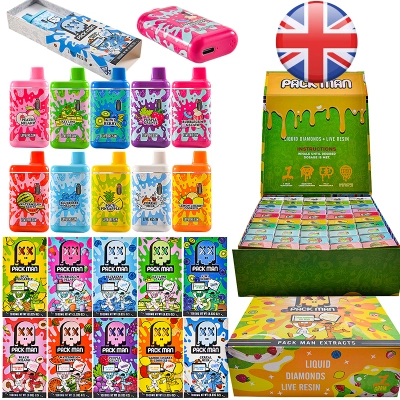
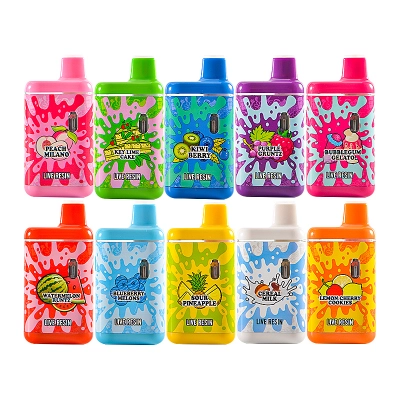
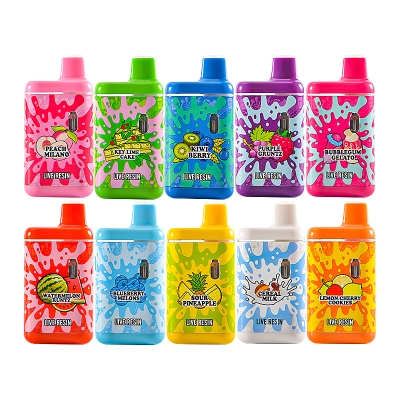
Material or extract-style categories can add yet another interpretive layer. For instance, a live resin device category carries a different set of expectations than a standard capacity or shell page. Even when a blog post stays neutral, acknowledging that category context helps explain how users sort products mentally. Some visitors begin with the brand family. Others begin with the form factor. Others still begin with a material-associated category and only later narrow by naming or shell design. A useful article does not force one browsing path; it helps make sense of the different ones.
The strongest collaboration pages often succeed because they respect both sides of the browsing equation. On one side is emotional recognition: a memorable title, a coherent visual identity, and a device that feels easy to place in the mind. On the other side is structural clarity: clean category naming, sensible internal links, and enough context for the visitor to keep exploring without friction. If either side is missing, the page can feel incomplete. Recognition without structure feels shallow. Structure without recognition feels forgettable. Good catalog presentation needs both.
From an editorial standpoint, that is why “device style and audience appeal” is a productive blog angle. It allows the writer to focus on how presentation works, rather than turning the article into a list of sales points. It invites a closer look at naming, silhouette, category framing, and perceived user fit. It also supports a more natural internal linking strategy. Instead of forcing exact-match anchors into every paragraph, the article can point readers toward broader reference pages that clarify collection identity, capacity expectations, or device-feature positioning.
A neutral article can also help improve on-site consistency. If the title, headline, and paragraph language all describe the page in the same way, visitors are less likely to feel misled. Consistency makes browsing easier. It also helps the article feel more editorial than promotional. In practice, that means using one clear title, keeping the H1 aligned with the page title, and avoiding repetitive phrase stuffing in the body. The value comes from interpretation and structure, not from repeating a keyword as often as possible.
In the end, a Muha Lemonade-style collaboration is useful to analyze because it shows how product presentation works on several levels at once. The collaboration name creates recognition. The device style shapes first impressions. The category context guides comparison. And the surrounding internal links help explain where the page belongs within the wider catalog. When those parts align, the result feels easier to understand and easier to navigate.
That alignment is the real source of audience appeal. It is not just about whether a collaboration sounds familiar or whether a device looks modern in isolation. It is about whether the naming, design cues, and site structure tell a coherent story together. For an adult-only catalog, that coherence may be more valuable than any single feature claim. It helps visitors orient themselves, compare options more confidently, and understand what makes one listing distinct from another without needing exaggerated marketing language.
0 Comments