
Muha Cookies Wholesale: Planning Inventory Without Stockouts
For licensed adult-market wholesalers, distributors, and brand operators, a strong disposable vape hardware program is not only about finding a trending design. It is about keeping the right units available at the right time, without tying too much cash into slow-moving inventory. This guide explains how to plan Muha Cookies wholesale inventory with a practical stockout-prevention framework, using demand signals, SKU segmentation, reorder points, and disciplined internal linking for buyers who are comparing hardware options.
This article is intended for adult B2B readers in legal markets only. It discusses empty hardware, wholesale planning, and inventory operations. It does not promote nicotine, THC, or use by minors, and every buyer should verify local licensing, product authorization, labeling, import, and age-restriction rules before purchasing or distributing any regulated product.
Why Stockouts Hurt More in Collaboration Hardware
Collaboration-style disposable hardware can move differently from ordinary catalog items. A standard design may sell steadily for months, while a recognizable collab shell can spike after a social post, a retail reorder cycle, a regional launch, or a competitor running out. That makes planning harder. If a wholesaler waits until the shelf is empty before reordering, the next shipment may arrive after the demand window has already passed.
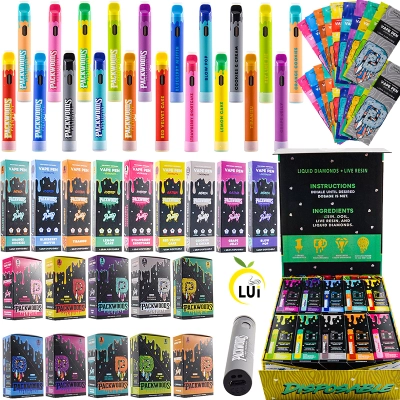
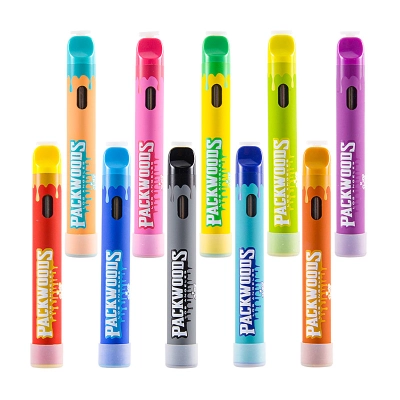
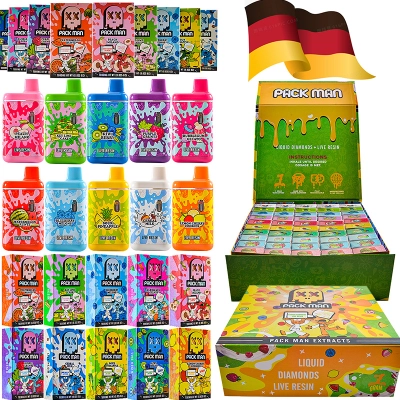
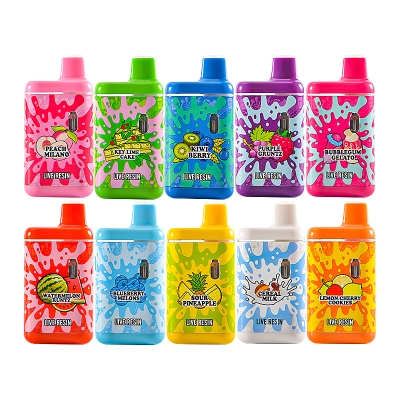
For a Muha Cookies wholesale program, the goal is not to buy the largest possible quantity. The better goal is to protect sales velocity while avoiding dead stock. That means separating fast-moving core SKUs from test SKUs, tracking order frequency by customer type, and setting a clear reorder point before inventory becomes dangerously low. When buyers research the category, they should be able to move from an educational blog post to the correct collection page, such as Muha meds Cookies Collab, without landing on unrelated products.
Start With SKU Segmentation, Not Guesswork
The first step is to divide inventory into three groups: core sellers, seasonal sellers, and experimental sellers. Core sellers are the items that consistently receive repeat orders from stores, distributors, and private-label teams. Seasonal sellers may perform well around a launch window, event season, or promotional cycle. Experimental sellers are new designs that deserve exposure but should not consume the same budget as proven SKUs.
A practical segmentation model looks like this:
- A-level SKUs: high repeat demand, high customer recognition, and short reorder intervals.
- B-level SKUs: moderate repeat demand, useful for variety, but not always urgent.
- C-level SKUs: new, seasonal, or low-volume items that should be tested in smaller lots.
This matters because stockout protection should not be equal across every SKU. A-level SKUs need a stronger safety stock buffer because a shortage can immediately affect customer retention. C-level SKUs need tighter controls because over-ordering can lock cash into designs that do not repeat. For Muha Cookies wholesale planning, the safest approach is to review each SKU by weekly unit velocity, reorder frequency, margin, and lead time rather than by appearance alone.
Build a Reorder Point for Each Fast-Moving SKU
A reorder point is the inventory level that triggers the next purchase order. It should be set before inventory reaches zero. For wholesale vape hardware, a simple reorder point formula is:
Reorder Point = Average Daily Demand × Lead Time in Days + Safety Stock
For example, if a SKU sells 60 units per day and the supplier lead time is 14 days, the basic lead-time demand is 840 units. If you add 300 units of safety stock to cover demand spikes, delayed shipping, or customer order batching, the reorder point becomes 1,140 units. When inventory falls near that level, it is time to reorder.
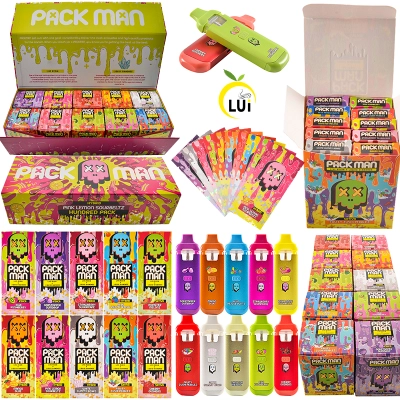
This formula is simple, but it works only if the inputs are updated. Many stockouts happen because the wholesaler uses last quarter's demand or an optimistic lead time. A better process is to update velocity every week for A-level SKUs and every two to four weeks for B-level SKUs. If a page like Muha Meds Cookies Collab Disposable starts receiving more internal clicks, inquiries, or repeat orders, the reorder point should be reviewed immediately.
Use Safety Stock for Demand Spikes, Not Poor Planning
Safety stock is the buffer that protects a business when demand rises faster than expected or supply takes longer than expected. It should not be treated as random extra inventory. In wholesale operations, safety stock should be based on three factors: demand variability, supplier reliability, and the cost of a stockout.
Demand variability is especially important for collaboration hardware. A design can move slowly during a quiet week, then jump after buyers compare it with other screen, round-shell, or dual-reservoir formats. Supplier reliability also matters. If a factory or warehouse usually ships within a stable window, the safety stock can be leaner. If lead times change often, the buffer should be larger.
The cost of a stockout is not only the missed sale. It can also include lost search demand, interrupted repeat orders, split shipments, customer service time, and the risk that a buyer switches to another supplier. For that reason, safety stock should be highest for SKUs that combine strong demand, strong margin, and strong customer loyalty.
Plan Around Wholesale Buying Behavior
Wholesale buyers rarely purchase like individual consumers. They often buy in cycles. A store may order before a weekend, a distributor may place a larger order after reviewing sell-through, and a private-label team may test samples before committing to a larger batch. These buying patterns create uneven demand, so average daily sales alone can be misleading.
To plan correctly, track demand by customer type:
- Retail buyers: usually reorder based on shelf movement and local customer requests.
- Distributors: often order in larger batches and may create sudden inventory drops.
- Brand teams: may test hardware before scaling into custom packaging or filling programs.
- Regional warehouse buyers: care about shipping speed, stock depth, and carton-level consistency.
Once buyer types are separated, the inventory plan becomes more accurate. A SKU with five small retail reorders may be more stable than a SKU with one large distributor order. The large order looks impressive, but it may not repeat. Stability should influence safety stock.
Connect Muha Cookies Inventory With Adjacent Hardware Categories
Stockout prevention is not only about one collection. Buyers often compare related hardware formats before deciding. If a Muha Cookies item is temporarily unavailable, a buyer may still be interested in a similar capacity, screen style, or chamber design. That is why internal links should support product discovery without forcing the reader into a single path.
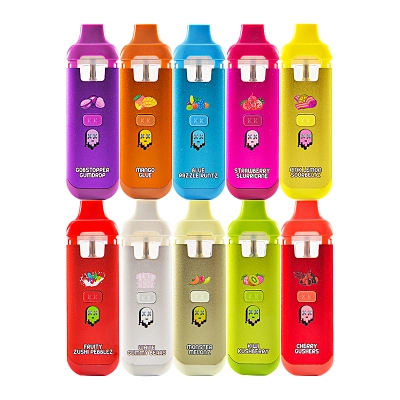
For example, a buyer researching collab disposables may also want to compare a Dual chamber disposable category because dual-reservoir formats can support broader assortment planning. Others may compare screen-based hardware, so it is useful to reference LED Screen Vape as a related category. Capacity-based comparison also matters, especially when buyers are planning carton size, unit cost, and retail positioning, so a relevant internal anchor such as 2g Disposable Vape Pen can help them continue researching without leaving the site.
These internal links should not be stuffed into every paragraph. Use them where they naturally support a buyer's next decision: brand collection, disposable format, chamber format, screen feature, and capacity.
Create a Weekly Stockout Dashboard
A weekly dashboard helps the team see problems before customers do. It does not need to be complex. The dashboard should include current stock, seven-day sales, thirty-day sales, open purchase orders, estimated arrival date, reorder point, safety stock, and days of cover. Days of cover is especially useful because it translates inventory into time.
The formula is simple:
Days of Cover = Current Units Available ÷ Average Daily Demand
If a product has 1,200 units available and sells 80 units per day, it has 15 days of cover. If the next shipment takes 20 days, the business has a stockout risk even though the warehouse still looks full. This is why teams should review days of cover alongside lead time, not just unit count.
The dashboard should also flag three conditions: inventory below reorder point, inventory below safety stock, and inventory with no movement for more than a defined period. The first two protect against stockouts. The third protects against overstock.
Audit Inventory Before Promotions
Promotions can create hidden inventory problems. If the system says 2,000 units are available but the warehouse count is wrong, a campaign can oversell the item and damage customer trust. Before promoting a Muha Cookies wholesale item, the team should audit physical stock, confirm carton counts, check open orders, and verify that product photos and descriptions match the actual units being shipped.
Audits are especially important when the same product family has multiple versions, such as round designs, digital screen versions, dual-chamber versions, U.S. stock lots, or factory-direct lots. Similar names can create picking mistakes. A clean SKU naming system should include brand family, capacity, chamber type, screen type, warehouse location, and lot size when applicable.
A good naming format might look like this: Brand Family + Capacity + Format + Feature + Warehouse + Lot Size. Consistent naming reduces mistakes in purchase orders, product pages, warehouse labels, and customer service messages.
Balance Availability With Cash Flow
The best inventory plan does not eliminate every possible shortage at any cost. It balances availability with cash flow. Holding too much stock can reduce flexibility, especially in a category where designs, screens, shells, and buyer preferences can change quickly. The goal is to keep enough inventory to protect strong sellers while leaving budget for new tests.
One useful method is to assign a service level by SKU tier. A-level SKUs may need enough inventory to cover most demand spikes. B-level SKUs may need moderate protection. C-level SKUs may need low protection until repeat orders prove demand. This prevents the common mistake of treating every new item like a guaranteed winner.
Cash flow also improves when slow SKUs are reviewed early. If an item has low movement for several weeks, the team can adjust price strategy, bundle it with related hardware, reduce reorder priority, or pause future purchasing. Stockout prevention and overstock prevention should work together.
Use Internal Search and Blog Clicks as Demand Signals
Sales data is the strongest signal, but it is not the only signal. Internal search queries, category clicks, blog link clicks, quote requests, sample requests, and abandoned carts can all show early demand. If readers repeatedly click from an inventory article to a product collection, that page may deserve a closer stock review.
For example, if a blog post about Muha Cookies wholesale sends consistent traffic to a collection page, but the product has low available stock, the content team and inventory team should communicate. SEO traffic without inventory can create frustration. Inventory without traffic can create dead stock. The best wholesale operation connects both sides.
Practical Checklist for Muha Cookies Wholesale Planning
- Classify every SKU as A-level, B-level, or C-level based on repeat demand.
- Calculate reorder points using real lead time and updated daily demand.
- Set safety stock according to demand variability and supplier reliability.
- Review A-level SKUs weekly and B-level SKUs every two to four weeks.
- Audit physical stock before promotions or large customer quotes.
- Track days of cover, not just units on hand.
- Use internal links to guide buyers to related collections and alternatives.
- Keep compliance language visible for adult B2B and legal-market readers.
Conclusion: Prevent Stockouts Before They Become Customer Problems
Muha Cookies wholesale planning works best when content, sales, and warehouse data support each other. A good blog post can bring qualified buyers into the right product category, but inventory planning determines whether those buyers can actually place repeat orders. The winning approach is simple: segment SKUs, track real velocity, calculate reorder points, protect fast sellers with safety stock, audit inventory before promotions, and connect readers to relevant internal pages.
Stockouts are usually not sudden. They are often visible days or weeks in advance through declining days of cover, delayed purchase orders, rising click demand, and stronger repeat inquiries. When a wholesale team watches those signals early, it can keep popular hardware available without overbuying every new release. That is the real value of inventory planning: fewer missed orders, cleaner cash flow, and a better buying experience for licensed adult-market customers.
```
0 Comments