
Muha Blinkers Vape Hardware: Specs Retailers Should Know
Retailers in 2026 are not buying vape hardware the same way they did a few years ago. A modern disposable device is no longer judged only by flavor name, shell color, or unit price. For professional buyers, the real questions are more technical: How much oil capacity does the device support? Is the chamber structure reliable? Does the battery match the intended use cycle? Is the charging system stable? Does the screen provide meaningful user feedback? Can the product be sold only through adult-only, licensed channels? And can the supplier provide clear specifications before a retailer commits to bulk inventory?
This guide focuses on the hardware factors retailers should understand when reviewing Muha blinkers vape hardware. The device style discussed here is positioned as a dual chamber 1ML+1ML disposable vape with a screen, rechargeable battery, and Type-C charging. For B2B buyers, the goal is not simply to find a trendy product. The goal is to understand whether the device structure, packaging format, compliance requirements, and after-sale expectations fit the retailer’s market.
This article is written for licensed retailers, wholesalers, distributors, and procurement teams. It is not health advice and does not claim that any vape product is safe, authorized, or legal in every jurisdiction. Retailers must verify local rules, import restrictions, product category definitions, age-gating requirements, and licensing obligations before buying or reselling any vape hardware.
1. Why Retailers Are Paying More Attention to Hardware Specs
Vape retail has become more specification-driven. A retailer may see dozens of devices that look similar in product photos, but small hardware differences can change the buying decision. Oil capacity, coil resistance, battery capacity, port type, screen function, airflow path, filling compatibility, and packaging quality all influence whether a device is practical for wholesale distribution.
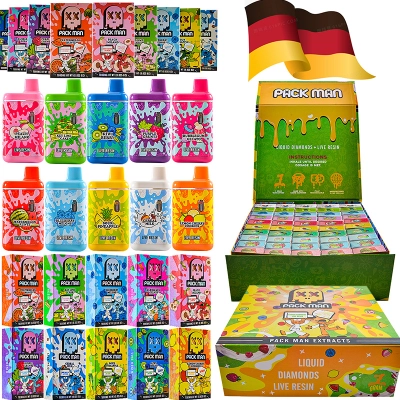
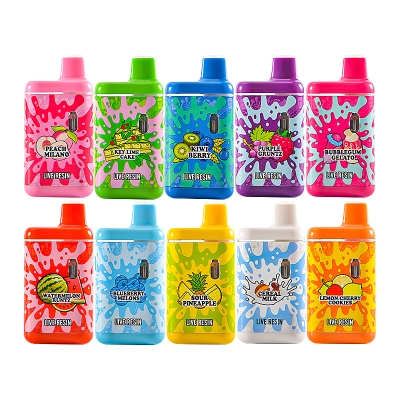
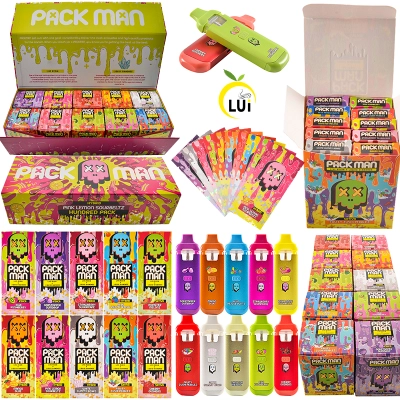
For a device in the muha meds product category, retailers should compare visual design with measurable technical information. A recognizable design may attract attention, but specifications determine whether the product can support repeat B2B orders. Before ordering, buyers should request a spec sheet, product photos, packaging images, carton details, sample availability, and clear confirmation of whether the device is empty, pre-filled, or sold with packaging only.
Retailers should also separate product appeal from product compliance. A device can look premium but still require careful review of labeling, warnings, youth-prevention language, destination-market restrictions, and trademark permissions. This is especially important for collaboration-style packaging or designs that may imply a brand relationship. B2B copy should focus on verifiable hardware features rather than unsupported claims.
2. Capacity: Understanding the 1ML+1ML Dual Chamber Format
One of the most important specifications for retailers is chamber capacity. A 1ML+1ML layout means the device is built around two separate 1ML reservoirs. This format gives retailers a compact way to present two chambers in one disposable body. For buyers, this can support a more premium product story than a standard single-reservoir disposable.
A dual chamber disposable format can be useful for retailers that want to differentiate their shelf selection without adding too many separate device types. Instead of stocking only basic single-chamber units, a shop can present dual chamber hardware as a more advanced option for adult customers. However, dual chamber construction also creates more quality-control checkpoints. Buyers should ask whether the two reservoirs are fully separated, whether the mouthpiece design prevents cross-leakage, whether each chamber has consistent airflow, and whether the device has been tested after filling and storage.
Retailers should not assume that all dual chamber devices perform the same way. Chamber sealing, oil-path structure, coil placement, and airflow design can vary. Before a bulk purchase, sample testing is important. A retailer should test devices after sitting upright, lying flat, and being stored in realistic warehouse conditions. A device that looks good in a catalog still needs to perform reliably after shipping and shelf storage.
3. Screen Function: What Retailers Should Confirm
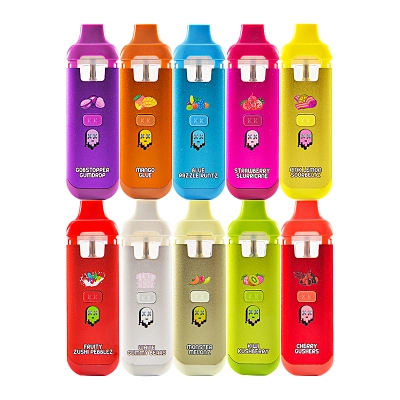
Screen-based disposable vape hardware has become more common because buyers want a device that looks modern and gives users visible feedback. A screen may show battery level, charging status, usage indicators, or device mode. For retailers, this feature can make the product easier to explain at the counter and easier to position as a premium hardware option.
The LED screen vape category is especially relevant for shops that want devices with a stronger visual feature. Still, retailers should ask what the screen actually displays. Some devices only show a simple battery icon. Others show puff count, charging animation, voltage mode, or chamber status. A buyer should request a short demo video showing activation, charging, standby, and low-battery behavior.
Screen quality also affects returns. Retailers should check whether the screen is bright enough, whether it drains battery quickly, whether the screen window is protected during shipping, and whether the display remains readable after normal handling. If the screen is part of the sales story, it must be reliable enough to support that story in real retail conditions.
4. Battery Capacity, Charging, and Electrical Safety
Battery capacity is another key specification. A 300mAh rechargeable battery can be suitable for compact disposable hardware, but retailers should evaluate more than the number printed on the product page. The real buying questions include charging speed, overcharge protection, short-circuit protection, low-voltage cutoff, charging-port durability, and how the device performs after repeated charge cycles.
Type-C charging has become familiar to retailers and customers because it is compact and widely recognized. However, a Type-C port alone does not prove device quality. Retailers should ask whether the port is reinforced, whether the device supports stable charging, and whether the supplier has performed stress testing. Poor battery management can lead to customer complaints, product failures, or safety concerns.
For stronger due diligence, retailers can use UL 8139 as a reference point. UL 8139 is a safety standard focused on the electrical, heating, battery, and charging systems of electronic cigarettes and vaping devices. It does not evaluate the oil, aerosol substances, or health effects of consumables. That distinction matters: a device may have better electrical documentation, but that does not automatically validate any filled product, ingredient, or market claim.
5. Coil and Resistance Details
Retailers should also pay attention to coil and resistance information. Some product listings may describe a resistance value in ohms, which relates to the electrical load of the heating element. Buyers should confirm the exact resistance, heating performance, and intended viscosity range. This is especially important for thicker oils, where poor coil compatibility can create weak vapor production, clogging, burnt taste, or inconsistent activation.
A professional buyer should request samples and test them with the intended filling material under controlled conditions. If the device is being purchased as empty hardware, the supplier should clarify the recommended filling process, storage orientation, and whether the hardware is designed for a specific oil viscosity. Retailers should avoid mixing hardware and formulations without technical confirmation.
6. Packaging and Shelf Presentation
Retail packaging matters because it affects both merchandising and compliance. A product may be visually attractive, but the packaging must still be reviewed for warning language, age-restriction messaging, batch or lot code areas, tamper-evident design, and market-specific labeling rules. For retailers, packaging should support legal adult-only sales rather than create youth appeal.
When reviewing Muha Blinkers 1ML+1ML hardware, buyers should ask whether packaging is included, whether it is neutral or branded, whether custom packaging is available, and whether the artwork can be used legally in the retailer’s market. If a product references a brand, collaboration, character, or theme, the buyer should confirm authorization before making official claims in marketing copy.
Retailers should also avoid adding unsupported phrases to packaging or online listings. Words such as “approved,” “certified,” “safe,” or “legal everywhere” can create risk if they are not supported by documentation. Stronger B2B wording includes “dual chamber hardware,” “screen display,” “Type-C rechargeable design,” “1ML+1ML capacity,” and “for licensed adult-only channels.”
7. Retail Compliance: Age-Gating and Youth Prevention
In the United States, retailers selling tobacco or nicotine ENDS products must follow federal age restrictions, including sales only to customers 21 and older. FDA retailer guidance also requires checking photo ID for anyone under 30 attempting to purchase tobacco products, including e-cigarettes, e-liquids, and other ENDS. Even when a device is sold as empty hardware, retailers should still consider how the product will be marketed, displayed, and restricted in their local market.
Youth prevention is not just a legal issue; it is also a merchandising issue. CDC and FDA data continue to show that e-cigarettes remain the most commonly used tobacco product among U.S. middle and high school students. Because of that, retailers should avoid youth-oriented images, cartoon-like promotions, candy-style claims, or social-media messaging that could appeal to underage audiences.
The safest retail positioning is adult-only and specification-led. Instead of leading with flavors or lifestyle claims, a B2B product page should lead with hardware facts: capacity, chamber type, charging, battery, screen function, packaging, and order requirements. This approach is better aligned with professional procurement and reduces the chance of creating irresponsible promotional content.
8. Questions Retailers Should Ask Suppliers
Before placing a wholesale order, retailers should ask direct questions. What is the exact oil capacity? Is it 1ML+1ML? Is the device empty or filled? What is the battery capacity? What does the screen show? Is the charging port Type-C? What is the coil resistance? What packaging is included? Is the item in stock, presale, or sold out? What is the minimum order quantity? Are samples available before bulk purchase?
Retailers should also ask about after-sale support. If a batch has screen failures, charging issues, leakage, or packaging defects, what is the replacement process? Is there a defect allowance? Are QC photos or videos available before shipment? Does the supplier provide carton dimensions and shipping weight? These operational details can matter as much as the product price.
For regulated markets, retailers should keep purchase records, batch information, invoices, supplier communications, and any product documentation. This helps protect the buyer if questions arise about product origin, labeling, or market eligibility.
9. SEO Notes for Retailers Publishing Product Content
Retailers using blog content to support product pages should keep internal links natural. A strong internal linking structure helps users move from education to product discovery without forcing keyword-heavy anchor text. The five internal links in this article point to the product page, the brand category, the dual chamber category, the LED screen category, and the same product page with a more specific hardware anchor.
For the blog title, use one clean title and one clear H1. Do not create several large headings that compete with the main title. In the body, use descriptive anchors rather than generic text like “click here.” Search engines and readers both benefit when anchor text clearly describes the target page.
A good title for this article is “Muha Blinkers Vape Hardware: Specs Retailers Should Know.” It is concise, descriptive, and aligned with retail procurement intent. It also avoids unverifiable claims about safety, legality, authorization, or inventory status.
10. Final Takeaway
Muha Blinkers-style vape hardware is best evaluated as a complete B2B device system. Retailers should review capacity, chamber layout, battery, charging, screen function, coil information, packaging, supplier support, and compliance requirements before making a purchase. A dual chamber disposable with an LED screen can be a strong retail product, but only when the buyer understands the specifications and verifies whether the device fits the intended market.
For 2026, the strongest retailers will be the ones that combine product trend awareness with disciplined sourcing. Ask for samples. Confirm specs. Avoid unsupported claims. Use adult-only compliance language. Build blog titles and internal links around clear, factual product information. That approach makes the content more useful for buyers and safer for long-term retail operations.
0 Comments