
Hitz Sparta 2g Wholesale: Bulk Buying Checklist for Shops
Bulk buying is never only about getting the lowest unit price. For adult-only vape shops, smoke shops, distributors, and licensed retail buyers, a better wholesale decision starts with product fit, compliance readiness, packaging consistency, stock planning, and after-sale support. This checklist is designed for shop owners reviewing Hitz Sparta 2g wholesale opportunities and comparing them with other disposable device options in the same category.
The Hitz Sparta 2g product page positions the item as a 2g empty vape device with package, a 280mAh battery, Type-C charging, and multiple flavor-style packaging options. Because availability, regulations, and market demand can change quickly, shops should treat every large order as a structured purchasing project rather than a simple reorder. The goal is to avoid dead stock, prevent compliance problems, and make sure the final product mix matches the customers your store is legally allowed to serve.
This article is written for business buyers only. It is not health advice, legal advice, or a recommendation for non-users to start using vape products. All vape-related merchandise should be sold only where lawful, only to adults of legal purchasing age, and only with the required warnings, packaging, and retail controls in the buyer’s market.
1. Confirm the Legal Sales Channel Before You Compare Prices
Before looking at case quantities or wholesale pricing, confirm whether your shop can legally buy, stock, advertise, and resell the product in your target jurisdiction. Rules differ by country, state, province, and city. In the United States, FDA retail guidance for electronic nicotine delivery systems requires retailers to sell only to customers aged 21 and older and to check photo ID for customers under 30. The FDA also states that retailers should not give away free samples of e-cigarettes, e-liquids, or other ENDS components.
For U.S. buyers, another important step is checking the authorization status of any ENDS product or component that may fall under tobacco product rules. The FDA’s authorized product lists and searchable tobacco product database should be reviewed before purchase. For non-U.S. buyers, check your own national and local rules, including flavor restrictions, import rules, tax stamps, product notification requirements, packaging warnings, and advertising limitations.
From an SEO and content perspective, this is also why your product blog should avoid medical claims, youth-oriented language, or broad claims such as “safe,” “healthy,” “risk-free,” or “approved” unless a qualified compliance review confirms the wording is legally accurate in your market.
2. Match the Product Page Details to Your Shop’s Needs
The first purchasing checkpoint is whether the product specification fits your shop’s actual sales model. The Hitz Sparta 2g listing describes the product as a 2g empty vape with package, with a 280mAh battery and Type-C charging. For a shop buyer, those details matter because they affect shelf positioning, customer education, storage planning, and reorder timing.
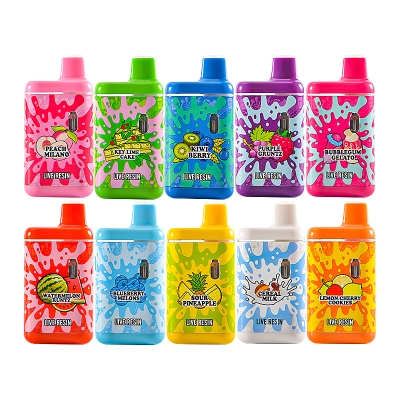
Shops should document the basic product facts in a purchasing sheet before placing a bulk order. Include product name, capacity, battery capacity, charger type, packaging style, case quantity, minimum order quantity, current stock status, estimated shipping time, and the person responsible for receiving and inspecting the goods. If the supplier lists flavor-style packaging names, record them clearly, but avoid creating consumer-facing claims that go beyond the supplier’s confirmed specifications.
If you are comparing this item with the broader hitz category, pay attention to whether the category page shows multiple options or only one result at the time of ordering. A narrow category can be useful for focused buying, but it also means shops should verify whether replacement stock, similar models, and future restocks are available before committing to a large purchase.
3. Use a Tiered Quantity Plan Instead of Guessing Demand
A common wholesale mistake is buying the largest tier simply because the unit price looks better. Lower unit cost only helps if the shop can move the inventory within a reasonable period, maintain compliant storage, and avoid packaging or regulation changes before the stock sells through. Build your quantity plan around realistic sales velocity.
Start with recent store data. Review the last 30, 60, and 90 days of disposable device sales. Separate returning customers from one-time buyers, and compare premium device movement against budget device movement. Then estimate conservative, expected, and high-demand scenarios. For example, a small shop might test a smaller wholesale tier first, while a distributor serving multiple adult-only retail accounts may justify a larger tier after confirming preorders.
When a product page shows tiered pricing for 500, 1000, 2000, and 5000 pieces, the best tier is not always the largest. The right tier is the one that balances margin, cash flow, storage capacity, legal shelf life, and sell-through confidence. If the page shows “Sold Out,” contact the supplier before publishing any promotion or taking customer deposits.
4. Verify Packaging, Labeling, and Trademark Risk
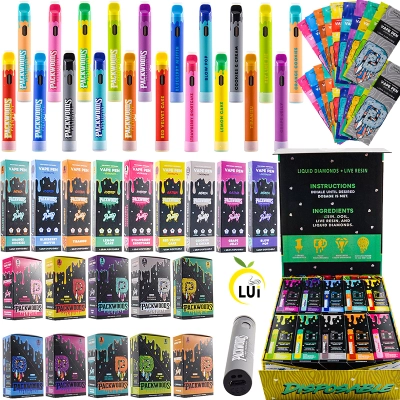
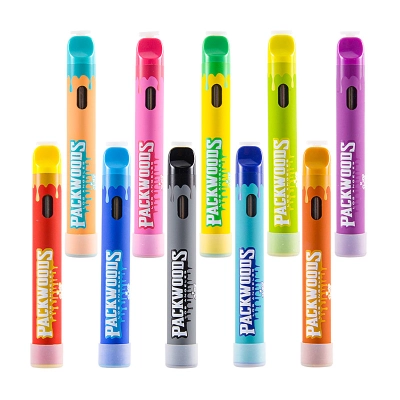
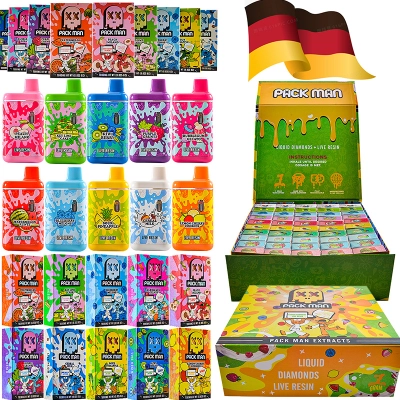
Packaging is a major part of bulk buying. Shops should request current product photos, packaging photos, carton photos, and barcode or SKU information before confirming an order. The packaging you receive should match the images and written specifications you approved. Any mismatch can create customer confusion, return issues, or compliance risk.
Because many vape-related products use strong branding, collab-style designs, and recognizable visual themes, shop buyers should also check intellectual property risk. Do not assume that a product name, design, or package concept is authorized just because it appears on a wholesale page. If your market requires documentation, ask for it before paying for bulk stock.
Internally, assign one person to compare the received goods against the purchase order. That person should check product name, quantity, outer carton condition, packaging consistency, accessories, charging port, and visible defects. For higher-volume orders, inspect samples from multiple cartons rather than only checking the first box.
5. Build a Receiving Checklist for Every Bulk Order
A simple receiving checklist can prevent expensive mistakes. When the shipment arrives, record the delivery date, carton count, condition of cartons, product count, packaging version, and any visible damage. Take photos before opening cartons if the outer packaging is damaged. If your supplier provides lot numbers, batch codes, or internal SKU labels, record them in your inventory system.
For disposable vape hardware, shops should also confirm that the charging interface, product appearance, and package contents match the order. If the listing describes Type-C charging, your receiving team should verify that the port type is correct. If the device is sold as an empty device, your records should reflect that distinction so staff do not misrepresent the item in customer conversations or online listings.
Receiving records are useful for supplier disputes, chargebacks, future reorders, and internal compliance reviews. They also help your staff identify which product version sold best if the supplier later updates packaging or specifications.
6. Plan Adult-Only Merchandising and Staff Training
Merchandising should be designed for lawful adult customers only. Avoid youth-oriented displays, cartoon-style promotional language, school-related themes, or social content that could reasonably appeal to underage users. Staff should understand age-verification rules, local sales restrictions, return policies, and the difference between product facts and unapproved claims.
Training should cover three practical scripts. First, how to describe the product using only confirmed specifications. Second, how to refuse a sale when age verification fails. Third, how to handle customer questions without making medical, cessation, or safety claims. This protects the shop, the customer, and the supplier relationship.
For online content, use neutral B2B language. Instead of “the best vape for everyone,” use language such as “a wholesale checklist for adult-only shops comparing disposable device inventory.” This approach is better aligned with responsible retailing and avoids creating content that looks like it is designed to recruit new users.
7. Compare Category-Level Options Before Reordering
One product may sell quickly because it is new, but long-term retail performance depends on category planning. Review the hitz disposable category and compare product availability, pricing, packaging, and reorder paths. If the category contains only one listed result at the time of review, build a backup plan before relying on it as a permanent shelf item.
Backup planning can include alternative device capacities, different packaging styles, or adjacent adult-only disposable categories. The key is to avoid a situation where a successful product sells out and the store has no replacement ready. Ask the supplier how often the product is restocked, whether packaging changes are expected, and whether the same SKU will remain available for repeat orders.
For shops that sell through multiple locations, create a weekly sell-through report by store. This report should show opening inventory, units received, units sold, returns, damaged units, and closing inventory. After two to four weeks, the data will tell you whether to reorder, reduce the next purchase, or test another product line.
8. Review Shipping, Payment, and Support Terms
Wholesale buyers should not evaluate a supplier by product price alone. Shipping method, delivery time, payment channel, refund policy, damaged-goods process, and customer support responsiveness can all change the real cost of an order. A slightly lower unit price may not be worth it if the supplier cannot provide reliable tracking, clear communication, or reasonable support when a shipment has a problem.
Before ordering Hitz 2g Disposable Vape Sparta Collab Wholesale inventory, confirm whether the item is actually in stock, whether the displayed price is current, and whether the order quantity qualifies for the listed tier. Save screenshots or written confirmation of the agreed product details, especially if the product page shows out-of-stock status or if the supplier provides updated information through chat.
For international orders, ask about customs paperwork, product descriptions, shipping restrictions, and whether the supplier can support the documentation required in your country. Do not rely on generic shipping promises for regulated products.
9. SEO Notes for Publishing This Blog
For the blog editor, use one H1 only and keep it close to the SEO title: “Hitz Sparta 2g Wholesale: Bulk Buying Checklist for Shops.” The title is clear, B2B-focused, and avoids unnecessary keyword stuffing. Use the main keyword in the introduction, one subheading, and the conclusion, but do not repeat the same anchor text every time.
The internal links should support the buyer journey. Link once to the product page, once to the brand category, once to the disposable category, and then use two additional internal links where they naturally help the reader compare or verify options. Overlinking with the same exact anchor can look unnatural. A better approach is to vary the anchor text while keeping it accurate.
For example, a final category comparison link such as Hitz disposable vape options can help readers continue browsing without repeating the exact same anchor. Add a meta description that emphasizes “adult-only shops,” “bulk buying checklist,” and “wholesale inventory planning.” Avoid consumer hype, exaggerated discount claims, or any promise that the product is legally available in every market.
10. Final Bulk Buying Checklist
- Confirm the buyer, store, and end market are legally allowed to purchase and resell the product.
- Check age-verification, warning-label, advertising, flavor, tax, and import rules in your jurisdiction.
- Verify current stock status before promoting or accepting preorders.
- Record product specifications: capacity, battery, charger type, packaging, quantity, and SKU.
- Compare the unit price with realistic sell-through, not only with the largest discount tier.
- Request current photos of product packaging and cartons before payment.
- Create a receiving checklist for carton count, product count, damage, and packaging consistency.
- Train staff to use adult-only, fact-based product descriptions.
- Keep supplier messages, invoices, shipping records, and inspection photos.
- Review sell-through after launch before placing the next bulk order.
Hitz Sparta 2g can be considered as part of a structured adult-only disposable device inventory plan, but the right wholesale decision depends on more than price. Shops should verify legality, availability, documentation, packaging, receiving procedures, and reorder support before committing to bulk quantities. A disciplined buying checklist helps protect cash flow, improves staff consistency, and creates a more responsible retail experience for lawful adult customers.
Authoritative Compliance and SEO Resources
For title writing and search appearance, review Google Search Central title link best practices. For U.S. retailer compliance, review FDA Tobacco 21 requirements and FDA rules for sales of e-cigarettes, e-liquids, and other ENDS. For market and public-health context, see CDC 2024 adult cigarette and e-cigarette use data and the WHO e-cigarettes Q&A.
0 Comments