
Fried Banana Cookies Vape: Why Flavor-Led Branding Works
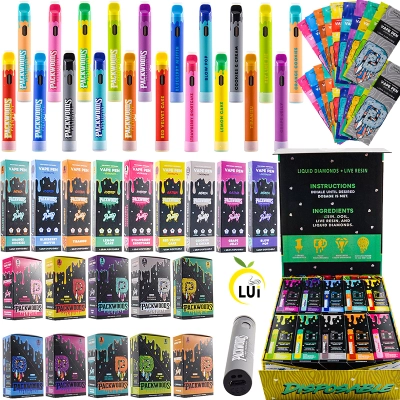
In a crowded disposable category, branding rarely succeeds because a product name is merely catchy. It succeeds because the name acts like a shortcut. A flavor-led name can instantly communicate mood, category, expectation, and product family in a way that generic naming never can. That is exactly why a page such as fried banana cookies is more than a product label. It is a merchandising asset, a search signal, and a memory trigger all at once.
For adult-oriented vape shoppers, especially in wholesale and catalog-driven environments, speed matters. Buyers do not want to decode abstract product names. They want a naming system that helps them identify brand family, flavor direction, and category fit in seconds. Flavor-led branding works because it reduces friction. Instead of asking a visitor to learn a made-up product code, it gives them a recognizable phrase that feels easy to sort, remember, and revisit later.
Flavor Names Turn Product Discovery Into Fast Recognition
One of the biggest challenges in online vape merchandising is that many pages can look structurally similar. The hardware may share a common format, capacity, or silhouette, while the customer decision often happens at the level of theme, line extension, and flavor identity. A strong flavor-led title solves that problem by making the listing easier to scan. In practical terms, that means the product does more work before the customer even clicks.
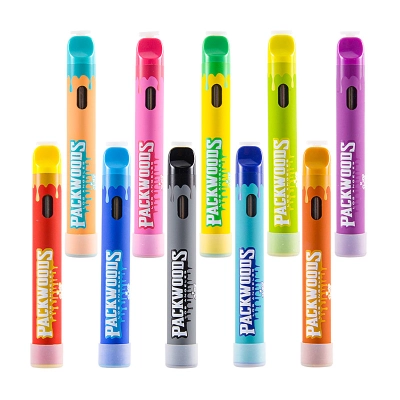
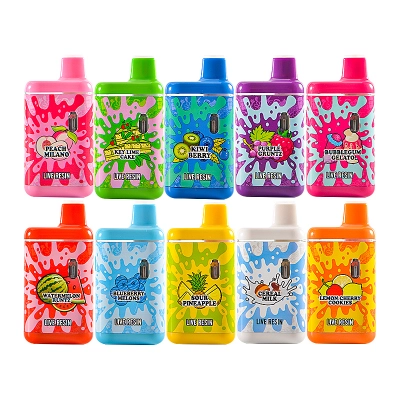
This is especially important when a store carries multiple related lines under one family. A broader collection page such as cookies gives the shopper a brand umbrella, but the individual flavor page is what creates differentiation within that umbrella. Without specific flavor-led naming, many lineups collapse into a blur of near-identical product cards. With it, every SKU becomes easier to classify and compare.
That recognition effect matters in both retail and wholesale contexts. Retail-oriented readers think in terms of taste profile and identity. Wholesale buyers think in terms of assortment logic: What belongs together? What gives a lineup contrast? What creates variety without destroying brand cohesion? Flavor-led naming answers all three questions at once.
Why Flavor-Led Branding Works Better Than Generic Product Naming
Generic naming usually fails because it only describes the format. “2ml disposable,” “screen vape,” or “new release” may explain the structure of a product, but they do not create recall. Flavor-led branding, by contrast, adds a layer of distinction. It creates a mental hook. When a customer remembers the flavor phrase, they are more likely to remember the page, the product family, and the brand environment that hosted it.
In branding terms, flavor-led names do three jobs at the same time. First, they differentiate one item from similar items on the same page. Second, they help visitors build a mental map of the category. Third, they increase the chance that a shopper will search for the item later using a descriptive phrase rather than a vague memory. That combination is powerful because it serves both human behavior and site architecture.
It also makes cross-category merchandising stronger. For example, if a site wants to connect single-chamber items with adjacent hardware styles, it can do so more naturally when product naming is already clear and descriptive. A visitor who understands one flavor-led product family is more prepared to explore neighboring collections such as cookies disposable options, where the naming convention reinforces continuity instead of creating confusion.
Good Flavor Branding Is Really Category Architecture
Many brands treat flavor as decoration. The stronger approach is to treat flavor as architecture. In other words, the flavor is not just there to sound appealing; it is there to organize product meaning across the entire site. When done well, flavor-led branding helps product pages, collection pages, blog content, and internal links all speak the same language.
This is where many ecommerce stores either win or lose. If the flavor phrase appears only in a product title but not in supporting content, the asset is underused. If the flavor phrase is integrated into category copy, blog content, comparison language, and internal linking, it becomes part of the site’s discoverability system. That improves navigation for users and creates cleaner relevance signals across the domain.
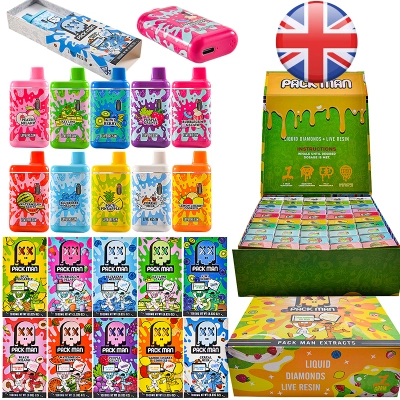
A brand that uses flavor-led naming consistently can also create better merchandising bridges between device styles. For instance, shoppers moving from a standard disposable lineup into a more advanced dual chamber vape category still need continuity. The easiest way to preserve that continuity is through familiar naming logic, not through technical specs alone.
Why This Works So Well for Content Marketing
Flavor-led branding is not only useful on collection and product pages. It is also ideal for blog strategy because it gives content teams a natural editorial angle. Instead of publishing generic posts about “best disposable trends,” a site can create focused articles around how naming, category language, packaging cues, and browsing behavior connect. That kind of content feels more specific, more useful, and more linkable inside the site.
A strong blog post should not read like an ad. It should read like category insight. That is why the best content around flavor-led branding discusses discoverability, brand memory, visual identity, assortment strategy, and category design. Those themes are commercially useful without becoming thin sales copy. They also give you more opportunities to place relevant internal links naturally, which strengthens both user flow and page relationships.
That is also why an editorial hub such as the Lueciga blog can become more valuable over time when posts are written around specific brand-language systems rather than broad, repetitive keyword templates. Each article can support a different layer of the site: one post can explain category logic, another can compare hardware formats, and another can analyze why certain naming patterns are easier for customers to remember.
Flavor-Led Branding Helps Buyers Compare Without Overloading Them
One overlooked advantage of flavor-based naming is that it makes comparisons easier without forcing the reader into a technical decision too early. A shopper can begin with what feels familiar, then move into more detailed evaluation. That sequence matters. Most visitors do not start by comparing battery specs or structural features. They start by orienting themselves inside the category. Flavor language often provides that first point of orientation.
When the naming is strong, the rest of the merchandising stack becomes more effective. Product cards become more scannable. Collection pages feel more organized. Blog articles have clearer subject matter. Internal links make more sense in context. Even repeat visits improve, because the user is more likely to remember a distinct phrase than a generic product description.
In wholesale contexts, this matters even more. Buyers often evaluate not just a single item, but how an item fits into an assortment. A product with a clear flavor identity is easier to slot into a lineup, easier to discuss internally, and easier to pair with adjacent products. It gives the assortment shape.
The Real Secret: Flavor Branding Works When It Is Controlled
Not every flavor-led name works equally well. The strongest ones are specific, brand-consistent, and commercially usable across multiple touchpoints. They should be memorable without becoming messy, distinctive without becoming vague, and thematic without losing category clarity. In other words, the phrase has to work in a product title, in a collection filter, in a blog paragraph, and in an internal link.
It also needs restraint. Overloaded names packed with too many descriptors can weaken the effect. The best-performing naming structures usually balance three elements: the brand family, the flavor identity, and the product format. If any one of those takes over completely, the page becomes harder to scan and the title becomes less durable.
That is why “flavor-led” does not mean “flavor-only.” The flavor is the hook, but the surrounding page needs to frame that hook properly. For an adult-facing catalog, that framing should stay clear, structured, and category-aware. The page should communicate what the product is, where it belongs, and how it relates to nearby collections.
Conclusion
Fried Banana Cookies is a useful example because it shows how flavor naming can do much more than decorate a listing. It can create recognition, support internal navigation, improve assortment logic, and give blog content a sharper editorial angle. In a competitive disposable market, those advantages matter because customers and buyers are not just choosing a device. They are choosing the easiest path through a crowded category.
That is the real reason flavor-led branding works. It helps people understand the product faster, remember it longer, and connect it more naturally to the rest of the site. When the naming is supported by consistent category structure, useful editorial content, and smart internal linking, flavor becomes more than a label. It becomes a system.
0 Comments