
Dr. Zodiak Moonrock vs. Muha Meds: Real-World Performance
“Performance” means different things depending on how you shop, how you use a device, and what you consider a good experience. Some people care most about instant intensity and loud flavor, while others prioritize consistency, clean vapor, and hardware reliability. In this field comparison, we’ll break down how Dr. Zodiak Moonrock-style devices and Muha Meds-style devices tend to differ in real-world use— and how to evaluate each option with a practical checklist.
If you’re browsing product families on Lueciga, start with the Moon Rock collection page for Moonrock-style listings and the Muha Meds series hub for Muha-aligned formats and variants.
1) What “Moonrock” and “Muha Meds” usually signal in the market
Moonrock: the promise is “maximum impact”
“Moonrock” is commonly used as a shorthand for high-intensity cannabis experiences—either as a product style (flower + concentrate + kief) or as a branding cue that emphasizes punch, density, and dramatic effects. When the name shows up on disposable formats, it often implies bolder vapor, stronger sensory impact, and packaging that leans into “premium” or “exotic” positioning.
Muha Meds: the promise is “slick form factor + mainstream familiarity”
Muha Meds-aligned formats are typically positioned for broad consumer appeal: clean, modern device silhouettes, recognizable brand language, and a strong emphasis on “easy” experiences—predictable airflow, straightforward charging, and familiar flavor profiles. For buyers, the practical question is less about hype and more about repeatable performance across units and batches.
2) Real-world performance dimensions that actually matter
A) Consistency across the first 30–50 draws
The first real “truth test” for an all-in-one is whether the draw stays stable over time: does it start great but quickly turn harsh, weak, or uneven? Devices marketed as heavy-hitters may run hotter, which can amplify early impact but sometimes increases the risk of harshness or flavor fade if the oil formulation and hardware tuning aren’t aligned.
B) Flavor clarity vs. “loudness”
Many users describe Moonrock-style experiences as “loud” (big aroma and thick clouds). In contrast, Muha-leaning devices are often chosen for smoother, more repeatable flavor—less extreme, but easier to enjoy consistently. The best choice depends on whether you prefer peak intensity or steady quality over the life of the device.
C) Draw resistance and airflow tuning
Airflow affects everything: perceived strength, throat feel, and even clog risk. A tighter draw can feel stronger but may be less forgiving with thicker oils. A more open draw can feel smoother but may deliver lighter perceived intensity per puff. “Real-world performance” is the balance between comfort and consistency—not just cloud size.
3) Hardware reliability: where most disappointments come from
A) Clogs, leaks, and oil behavior
In day-to-day use, complaints usually cluster around clogging, spitback, or inconsistent heating. This is especially sensitive when oil viscosity changes with temperature and storage conditions. If a device is designed for thicker formulations, it needs airflow pathways, coil architecture, and power control that match that reality.
B) Battery + power control: “strong” is not always “better”
Higher power can create denser vapor, but it can also accelerate coil wear and flavor degradation. Look for stable power delivery, sensible voltage control, and reliable charging behavior. Real performance is how predictable it feels from start to finish—not how aggressive it hits in the first few pulls.
C) Dual-chamber formats: flexibility with more variables
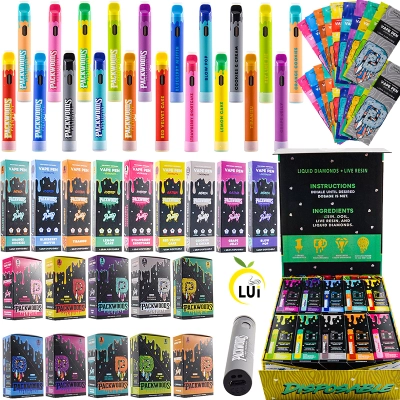
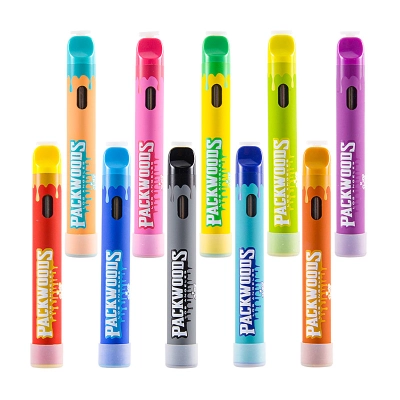
Dual-chamber devices can be appealing because they support switching between two formulations or profiles. But they also introduce more variables: two pathways, additional seals, and more complexity in flow and heating behavior. If you’re considering a dual-format option, browse the Moon Rock Disposable page and evaluate the device platform carefully (especially around airflow stability and cross-chamber consistency).
4) Authenticity and “trust signals” in the real world
A) Packaging cues are not proof—documentation matters
Premium packaging, holograms, or QR-style elements can be helpful—but they’re not a substitute for legitimate sourcing and verifiable testing. In any market where counterfeits exist, the strongest trust signal is a clear chain of custody, compliant labeling, and lab documentation appropriate for the jurisdiction.
B) If you’re buying hardware for filling, your QC plan is the product
For licensed operators and brands, the “real-world performance” story is ultimately controlled by a QC system: incoming inspection, fill calibration, leak testing, burn-in checks (where legally and operationally appropriate), and traceable batch handling. Hardware is only as good as the process that validates it.
5) Which one “wins” depends on your use case
Choose Moonrock-style positioning if you need:
- High-impact branding and a “premium/exotic” consumer expectation
- Dense vapor perception and bold sensory appeal
- A format story that emphasizes intensity and standout presence
Choose Muha-style positioning if you need:
- Broad familiarity and easy repeat purchases
- Smoother, more predictable day-to-day experience
- A device story centered on consistency and mainstream appeal
6) A practical checklist for “real-world performance” testing
- Start-to-mid consistency: Is draw and vapor stable over time, not just at the beginning?
- Flavor trajectory: Does flavor stay clean, or does it mute/turn harsh quickly?
- Clog/leak tolerance: How does it handle normal temperature changes and storage positions?
- Battery behavior: Reliable charging, no sudden drop-offs, predictable power delivery.
- Unit-to-unit repeatability: Do multiple samples behave similarly?
- Compliance readiness: Labeling space, traceability, and documentation support (where applicable).
Conclusion
Dr. Zodiak Moonrock and Muha Meds-style devices represent two different philosophies: “maximum impact” versus “repeatable consistency.” The best real-world performer is the one that matches your priorities and holds up under practical conditions—stable airflow, reliable heating, low failure rates, and predictable experience across units. Use the checklist above, verify documentation where required, and pick the platform that supports your long-term outcomes—not just the loudest first impression.


0 Comments