
Crybaby Disposable 2g: Bottle-Shape Hardware QC Checks (Seals, Caps, Drop Tests)
Scope note (hardware-only): This article is written for B2B buyers and QA teams evaluating bottle-shape disposable device shells and assemblies. It focuses on mechanical integrity (seals, caps, retention, and drop/handling durability). It does not provide instructions for filling, formulating, or producing regulated consumables, and it does not promote end use. Teams are responsible for legal compliance, labeling, and market-specific requirements.
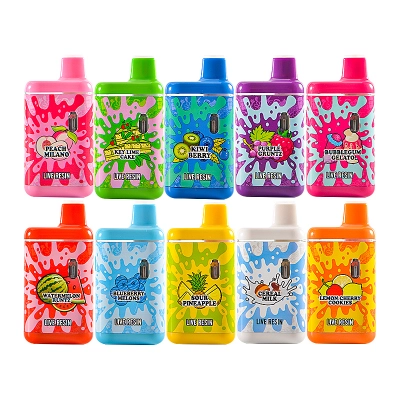
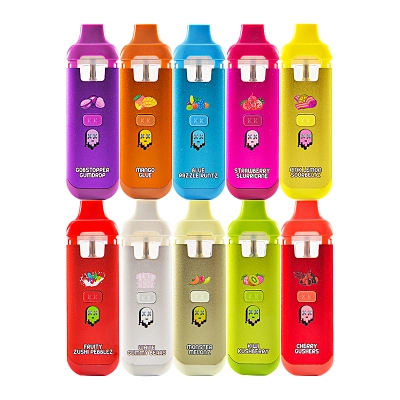
Bottle-shape disposables (often called “baby-bottle” silhouettes) stand out on shelves—but that shape introduces distinct quality risks. Compared with straight-tube designs, a bottle body typically has (1) more complex geometry, (2) larger cosmetic surface area, and (3) higher leverage points during drops. The result: small weaknesses in seals, caps, and shell joints can turn into leaks, rattles, cracked windows, or customer “dead on arrival” complaints.
This checklist translates those risks into repeatable QC gates you can run across incoming lots, in-line assembly, and pre-ship audit—without turning QA into a bottleneck.
QC framing: classify defects before you test
Start by defining defect classes that match your return cost. A common structure is:
- Critical: structural break, exposed internals, non-functional power/charging, sharp edges
- Major: loose cap, poor retention, visible gaps, unstable fit, frequent cosmetic damage
- Minor: small scuffs, slight seam lines, non-critical cosmetic variance
Once defect classes are set, use a consistent sampling approach for lot acceptance. Many QA teams index attribute inspection by an AQL-style acceptance sampling system (lot-by-lot inspection) and then tighten criteria on high-risk components like caps and seal interfaces.
Seal integrity checks: gaps, compression, and joint consistency
For bottle-shape hardware, “seal integrity” is often less about a single gasket and more about the entire closure stack: mating surfaces, O-ring compression, thread alignment, and the rigidity of the neck area. Key checks:
1) Visual seam and gap mapping (fast screen)
- Use a fixed lighting angle and a simple “go/no-go” gap reference (photos).
- Inspect the neck-to-body transition: complex curves can hide sink marks and incomplete closure.
- Check for uneven compression marks on elastomer parts (sign of skew or off-axis assembly).
2) Mechanical consistency (repeatability test)
Pick a small subset and run repeated open/close or fit/seat cycles (if your design supports it) to detect early thread wear, deformation, or “walk-off” behavior. What you want is consistent seating force and consistent final alignment—units that feel “mushy” or that stop at different positions are often correlated with downstream complaints.
3) Basic air-tightness screening (non-destructive)
Without discussing any consumable content, QA teams can still screen closure integrity using non-destructive air-based methods (for example, pressure/vacuum hold concepts). The goal is not to publish a single “magic number,” but to confirm that all units in a lot cluster tightly rather than spreading into weak outliers. Outliers usually trace back to dimensional drift, burrs, or inconsistent elastomer compression.
Cap and closure QC: retention, torque feel, and crack prevention
In bottle-shape designs, the cap is both a cosmetic cue and a mechanical risk. Caps can loosen under vibration, crack on impact, or stress the neck joint. Your QC plan should treat the cap as a safety-critical assembly element.
1) Retention and “walk-off” resistance
- Check cap seating depth: shallow seating increases the chance of loosening.
- Look for thread start defects (cross-threading) and plastic flash near the entry point.
- Run a short vibration simulation on packaged samples to reveal caps that back off.
2) Material stress signs (pre-crack indicators)
Inspect for whitening at corners, micro-crazing lines, or stress marks around the cap’s inner lip. Those are early warnings that the cap material is too brittle for handling shocks—or that assembly force is inconsistent across shifts.
Drop and rough-handling tests: device + package must pass together
Most field failures happen during logistics, not at the factory bench. You want two layers of validation:
- Device-level rough handling: Does the assembled unit survive knocks and falls without structural compromise?
- Packaged-product performance: Does the packaging protect the device through parcel hazards?
1) Rough-handling shock (device-level)
IEC 60068-2-31 is a widely referenced approach for simulating rough handling shocks on equipment-type specimens, including drops onto faces, edges/corners, and toppling-type events. Use it as a conceptual framework: define orientations that reflect your bottle-shape’s leverage points (neck and base) and confirm post-drop fit, closure alignment, and cosmetic integrity.
2) Packaged-product drop testing
If you ship through parcel networks, consider package-focused standards such as ASTM D5276 (free-fall drop test of loaded containers) and ISTA procedure families used for parcel delivery simulation. The practical QC objective is consistent: after a defined set of drops, the unit should remain intact, closures should stay seated, and no sharp edges or structural breaks should appear.
Post-test inspection: what “pass” really means
Drop tests are only useful if you define pass/fail outcomes in advance. For bottle-shape devices, include:
- Cap still fully seated and aligned (no backing off)
- No cracks at the neck joint or base ring
- No new gaps at seams, no rattling sounds
- Cosmetic window clarity (no haze, no internal scuff marks from movement)
- Packaging still prevents unit movement (no “free travel” inside the box)
Lot acceptance workflow: combine sampling + containment
A practical workflow for B2B hardware QC looks like this:
- Incoming check (sampling): Run attribute-based inspection for closure integrity and cosmetic defects.
- In-line checks: Add quick screens for cap seating depth and visible neck stress.
- Pre-ship audit: Execute a small packaged drop/rough handling verification on each production batch.
- Containment triggers: If a single critical defect appears, quarantine the lot and trace back by supplier batch and line.
Over time, your best lever is feedback speed: the faster you connect “cap walk-off” or “neck crack after drop” to a specific mold cavity, resin batch, or assembly station, the faster your defect curve falls.
Related internal resources
- Disposable Vape Blog (hardware & QC topics)
- About Shipping (logistics expectations)
- Return & Refund Policy (after-sale terms)
Conclusion
Bottle-shape hardware can differentiate a product line, but it also concentrates risk in the neck, cap, and seam system—especially under drops and parcel shocks. Treat seals and caps as engineered interfaces, validate rough handling with a repeatable orientation plan, and verify packaged performance with drop-test thinking. With clear defect classes and disciplined sampling, QA teams can catch early drift before it becomes expensive, reputation-damaging returns.



0 Comments