
Cookies Muha Hardware: How to Compare Flavor Lineups
For licensed distributors, retailers, and brand teams, comparing flavor lineups is not only about naming profiles or following a trend. In a regulated adult market, the smarter question is how each lineup connects to hardware performance, SKU planning, packaging consistency, inventory control, and compliant buyer education. Cookies Muha hardware is often evaluated by wholesalers because collaboration-style designs can help organize a product family into clear tiers, but the comparison should stay focused on empty device specifications, operational fit, and adult-market merchandising.
This guide is written for adult B2B readers in legal markets only. It discusses empty disposable vape hardware, category planning, and wholesale comparison methods. It does not promote use by minors, make health claims, or suggest that any regulated product can be sold without proper authorization, licensing, age verification, and local compliance review.
Why Flavor Lineup Comparison Starts With Hardware
A flavor lineup is often discussed as a marketing decision, but for wholesale buyers it is also a hardware decision. The same profile can perform differently depending on oil compatibility, airflow, resistance, coil stability, chamber structure, mouthpiece design, and battery output. If the hardware is inconsistent, the lineup becomes difficult to manage because customer feedback may reflect device performance rather than the profile itself.
That is why Cookies Muha hardware should be compared first as a platform. Buyers should ask whether the device family supports consistent filling, stable vapor output, reliable packaging, and clear SKU separation. A lineup with ten names is not automatically stronger than a lineup with five. The stronger lineup is the one that can be explained clearly, reordered easily, and supported by repeatable hardware quality.
For buyers researching the category, a useful starting point is the Muha meds Cookies Collab collection, because it groups the collaboration hardware into a dedicated product path instead of mixing it with unrelated disposable categories.
Compare Lineups by Buyer Intent, Not Just Names
A common mistake is to build a lineup around attractive names first. A better approach is to map each SKU to buyer intent. Some buyers want a compact collaboration device for retail display. Some want screen-based hardware for a more technical presentation. Others want dual-chamber formats to separate two oil types or two usage experiences within one device body. These intentions should guide the lineup before any final product naming.
In a B2B environment, every flavor family should answer a practical question: who will reorder it, how often will they reorder, and how will it sit next to other SKUs? If two profiles serve the same buyer role, one may be unnecessary. If a profile fills a clear gap in the assortment, it may deserve stronger inventory support.
The best lineup is usually balanced. It includes familiar anchor profiles, a few differentiated profiles, and a controlled number of experimental options. This prevents the catalog from becoming too wide, which can confuse buyers and weaken stock rotation.
Use Device Format as the First Comparison Layer
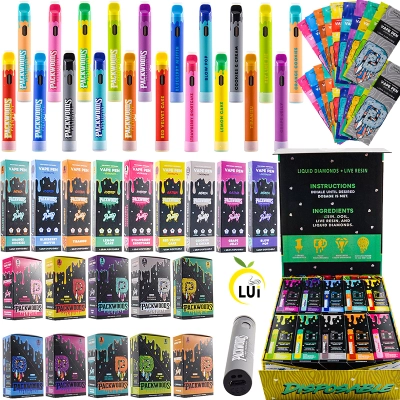
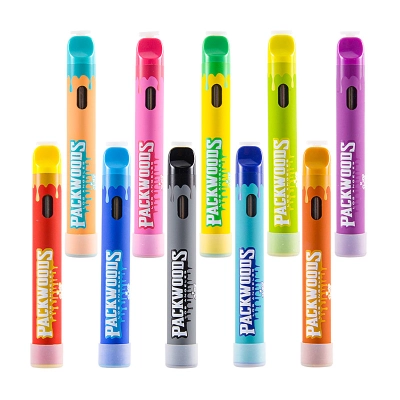
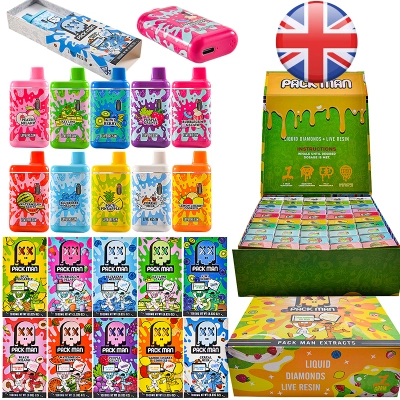
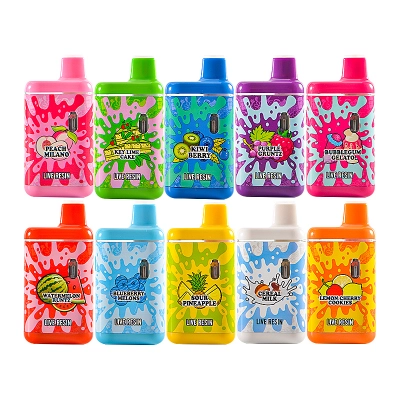
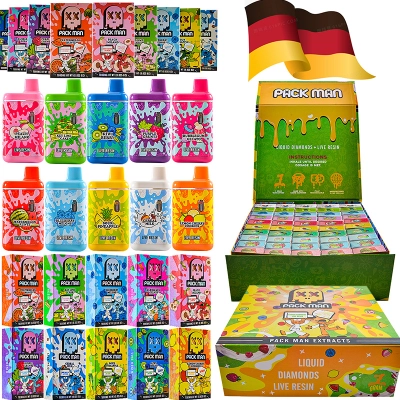
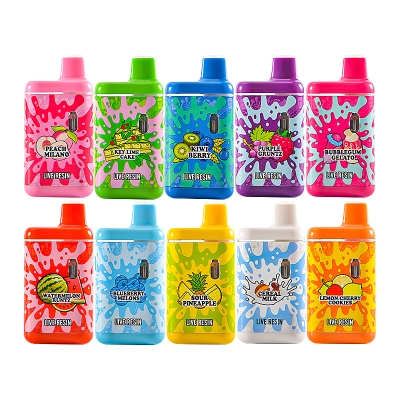
Before comparing flavor groups, compare device format. Format affects how the buyer understands the product and how the store presents it. A round disposable device, a screen disposable device, and a dual-chamber device may all belong to the same collaboration family, but they do not serve the same merchandising purpose.
The Muha Meds Cookies Collab Disposable page is useful for buyers who want to evaluate disposable collaboration hardware as a dedicated category. From there, buyers can compare body style, capacity, display features, order quantity, warehouse availability, and carton-level planning.
Device format should also guide how many lineup options are carried. A simple disposable format may support a broader assortment because buyers can understand it quickly. A more advanced format may need fewer profiles at launch because the device feature itself already adds complexity. When both the hardware and lineup are new, too many choices can slow purchasing decisions.
Separate Core, Seasonal, and Test Profiles
A professional flavor lineup should be segmented into three groups: core, seasonal, and test. Core profiles are the stable performers that receive repeat orders. Seasonal profiles may support a campaign, event period, or regional trend. Test profiles are limited introductions used to measure buyer response before committing to deeper inventory.
This structure helps wholesalers avoid two common problems. The first is overbuying a profile that has visual appeal but weak repeat demand. The second is understocking a profile that quietly becomes a repeat seller. Once the lineup is segmented, purchasing decisions become more disciplined.
Core profiles should have the strongest reorder protection and the clearest product descriptions. Seasonal profiles should have a defined selling window. Test profiles should have controlled minimum order quantities and a review date. If a test profile shows strong reorder behavior, it can move into the core lineup. If it does not, the team can phase it out before it becomes dead stock.
Evaluate Dual-Chamber Options Carefully
Dual-chamber hardware can be attractive because it gives buyers a way to compare or combine two product experiences in one device body. However, it should not be added to a lineup just because it looks more advanced. Buyers should evaluate whether the chamber structure supports the intended assortment, whether filling procedures are clear, and whether packaging can communicate the format without creating confusion.
A Dual chamber disposable format may be especially useful when a brand wants to organize pairings, limited drops, or two-part collections. For wholesale buyers, the key is to compare the operational workload against the merchandising advantage. Dual-chamber products can create a premium impression, but they also require clearer SKU naming, careful inventory tracking, and more detailed customer education.
If a buyer is building a lineup for the first time, dual-chamber hardware may be best used as a featured segment rather than the entire catalog. This keeps the assortment easy to explain while still offering a differentiated option.
Use Visual Features to Support, Not Replace, Lineup Logic
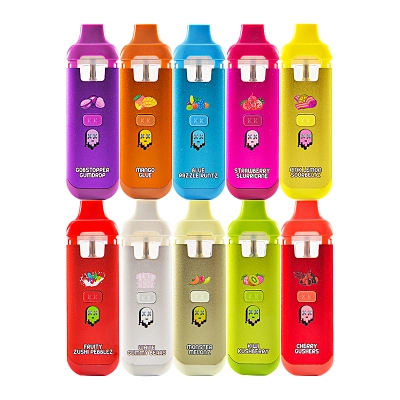
Digital displays and LED screens can help buyers understand device status, power, or oil visibility depending on the design. These features can also make a product easier to present in a retail or wholesale catalog. However, visual features should support the lineup rather than replace a clear comparison framework.
For example, a buyer comparing Cookies Muha hardware may also want to review LED Screen Vape options to understand how screen-based hardware fits into a broader assortment. A screen may help separate a premium tier from a standard tier, but it should not be the only reason to add another SKU.
The best use of screen hardware is to make the product easier to classify. A basic line can focus on recognizable collaboration hardware. A screen line can represent a technical or premium tier. A dual-chamber line can represent a feature-driven tier. This structure helps buyers compare products quickly and reduces confusion during reorders.
Compare Capacity and Oil Compatibility
Capacity is another important comparison point. A lineup built around 1g devices will not behave the same as a lineup built around 2g devices. Larger capacity may support stronger perceived value, fewer replacements, and different pricing logic. Smaller capacity may support testing, sampling, or more frequent rotation. The right choice depends on the buyer's sales channel, local rules, packaging requirements, and inventory strategy.
Buyers who are comparing capacity-based hardware can review 2g Disposable Vape Pen options as a broader reference point. This helps them compare Cookies Muha hardware against other disposable categories with similar capacity positioning.
Oil compatibility should also be reviewed before finalizing any lineup. Hardware should be tested for viscosity range, leak resistance, coil performance, heating consistency, and storage stability. A good flavor lineup can fail if the device cannot support the oil type consistently. For this reason, hardware samples, filling tests, and batch notes should be part of the buying process.
Build a Scorecard for Flavor Lineup Decisions
A scorecard makes comparison more objective. Instead of choosing by name or appearance, buyers can rate each SKU across several categories. Useful scorecard fields include device format, capacity, chamber type, screen feature, packaging clarity, reorder potential, buyer familiarity, compliance risk, margin, and inventory depth.
Each SKU can be scored from one to five. A product with a high visual score but low reorder potential may be suitable as a limited test. A product with strong reorder potential and moderate visual differentiation may be a better core SKU. The scorecard also helps sales teams explain why certain products are recommended.
A strong Cookies Muha lineup does not need every possible profile. It needs a clear reason for each SKU to exist. If a buyer cannot explain the difference between two options in one sentence, the lineup may be too crowded.
Keep Compliance Central When Discussing Flavor
Flavor-related content requires extra care because regulators and public health authorities continue to focus on youth appeal, advertising exposure, and unauthorized products. B2B content should avoid language that sounds like candy advertising, lifestyle targeting, or health improvement claims. Descriptions should be neutral, adult-focused, and operational.
Instead of writing exaggerated flavor copy, use category language such as profile group, lineup role, SKU tier, hardware format, and retail positioning. This keeps the article useful for licensed buyers while reducing the risk of youth-oriented messaging. It also makes the content more durable because operational comparisons age better than hype-based descriptions.
Every buyer should confirm whether the product type, intended market, labeling, packaging, and sale channel are permitted in the target jurisdiction. If a market requires product authorization, age verification, warning labels, or specific packaging rules, those requirements should be reviewed before purchase.
Plan Inventory Around Lineup Width
Lineup width has a direct effect on inventory planning. A wide lineup gives buyers more choice, but it also spreads stock across more SKUs. If demand is uncertain, too many options can create slow movers and stockouts at the same time. One profile may sell out while three others remain overstocked.
A narrow lineup is easier to manage, but it may not satisfy buyers who want variety. The practical solution is to launch with a controlled structure: a few core profiles, a small number of feature-driven SKUs, and a limited test group. Review reorder data before expanding.
Inventory should be measured by days of cover, not only by unit count. If a core SKU has strong weekly demand, it needs deeper stock than a seasonal SKU. If a test SKU has not received repeat orders, it should not be reordered automatically. Lineup comparison and inventory planning should work together.
Conclusion: Compare the System, Not Just the Flavor Names
Cookies Muha hardware should be compared as a complete B2B system. The strongest lineup is not simply the one with the most names or the most colorful descriptions. It is the lineup that connects clear hardware tiers, reliable device performance, compliant adult-market language, manageable inventory, and repeatable buyer demand.
Start with the device format, then compare capacity, chamber structure, screen features, oil compatibility, packaging clarity, and reorder potential. Use a scorecard to keep decisions objective. Keep flavor language neutral and adult-focused. Build internal links that guide buyers to relevant product categories without overwhelming the article.
When a lineup is built this way, it becomes easier for wholesalers to explain, easier for retailers to reorder, and easier for inventory teams to manage. That is the real purpose of comparing flavor lineups: not to chase every trend, but to create a stable, compliant, and commercially useful hardware assortment for licensed adult-market buyers.
```
0 Comments