
Blue Ace Vape — 2025 B2B Empty Disposable Vape Hardware Guide
In 2025, Blue Ace and ACE Ultra 2g empties have become a go-to choice for hardware buyers who need reliable 2 gram shells for live resin, liquid diamonds, or high-end distillate projects. Under the Blue Ace / ACE Ultra family you will find 2 g, 2 ml compact devices with ceramic cores, 1.4 ohm resistance, 240–320 mAh rechargeable batteries, and modern features like NFC chips or digital screens depending on the edition. This guide is built for B2B teams who want to treat Blue Ace not just as a “pretty 2g dispo” but as a well-documented empty hardware platform.
We will walk through how Blue Ace-style 2 g devices are structured, how to match them to your oil, what QC and engineering details to demand from factories, and how to use Lueciga’s ACE Ultra family pages as your sourcing and SKU control hub.
1. Where Blue Ace Fits in the 2g Hardware Map
“Blue Ace” is best understood as a premium 2 g disposable format in the ACE Ultra family: a compact shell that positions itself above generic 2 g empties in terms of design, battery quality, and compatibility with thicker oils. On the consumer side, Blue Ace is marketed in various THC markets as a 2 g all-in-one with live resin or high-potency blends. On the hardware side, your concern is the envelope: 2 ml internal capacity, robust ceramic coil, modern charging port, and packaging that supports high-end branding.
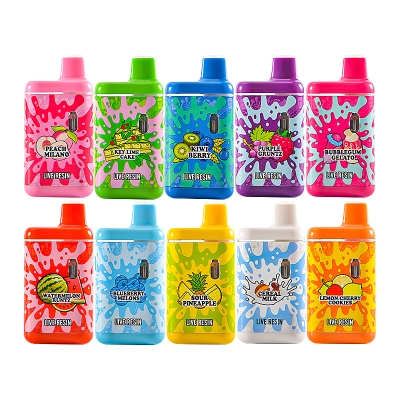
For B2B buyers, the “blue” in Blue Ace is a visual anchor rather than a limitation. The same core hardware can be deployed in Tiffany blue, dark blue, red, black, or seasonal colorways. That lets you build clear visual tiers (flagship, collab, seasonal) without changing your internal filling SOPs or QC bands.
2. The ACE Ultra Family Behind Blue Ace
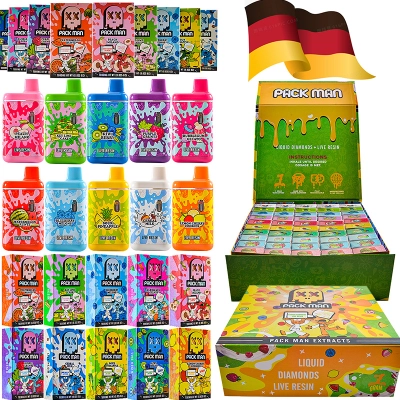
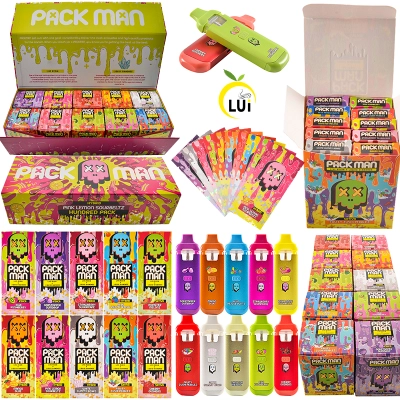
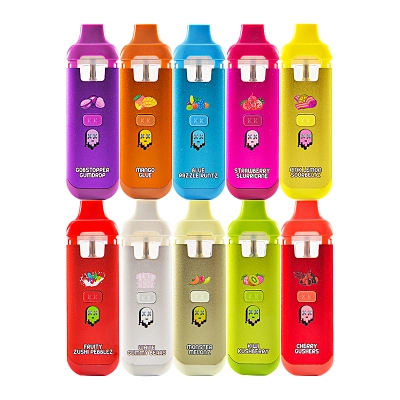
On Lueciga, Blue Ace lives inside the broader ACE Ultra ecosystem. That series bundles multiple 2 g shells: black editions, red editions, Spring and Love editions, and joint-brand devices like ACE X Packman with digital screens. All of them share the same basic grammar—2 g tank, compact battery block, and a form factor tuned for live resin or liquid diamond projects.
Working from this family view is powerful for B2B planning: you can qualify a small number of base devices (for example, Blue Ace + a black edition) and then extend into new colorways and seasonal SKUs without repeating the entire engineering and leak-testing cycle every time.
3. Core Specs of Blue Ace / ACE Ultra 2g Empties
3.1 Capacity, tank, and inlets
Blue Ace and ACE Ultra 2 g empties are designed around a 2 ml internal reservoir, usually split into a single large tank with four intake holes sized around 1.5–1.6 mm on thick-oil models. This geometry is a key reason they are popular for live resin and liquid diamonds: the inlets are wide enough to keep oil moving without forcing your brand into ultra-thin terp blends that compromise flavor.
Tank materials are typically premium polymers (PCTG or similar) engineered for terpene-rich extracts, paired with seals that can survive shipping from CA/NJ warehouses to your shop or filling facility with minimal seepage when filled correctly.
3.2 Coil, resistance, and power delivery
Most ACE Ultra 2 g builds target about 1.4 ohms on a ceramic core. This resistance sits in the sweet spot where vapor is dense and flavorful but the risk of scorching terpenes or burning the wick is low when voltages are controlled. For a B2B buyer, the key is consistency: you want the same ramp-up time and output profile across pallets, not a different personality with every lot.
Blue Ace editions lean toward 240–320 mAh rechargeable batteries, usually micro USB or USB-C depending on the specific batch. A fully charged cell should comfortably drive a 2 g tank to near-complete depletion for typical consumers without battery brown-out mid-tank.
3.3 Charging ports, indicators, and extras
Recent ACE Ultra variants include quality-of-life extras that matter for your brand story:
- USB-C or micro-USB charging so customers can top up power.
- LED indicators for battery status and puff feedback.
- Optional digital screens on ACE X Packman-style devices.
- NFC chips on some Blue Box / Blue Ace editions for verification or loyalty programs.
You may not need every feature for your first project, but understanding the available feature set helps you pick a baseline shell that can scale into more advanced SKUs without retraining your customers.
4. Matching Blue Ace Hardware to Your Oil
Because Blue Ace and ACE Ultra 2 g devices are used for a wide range of extracts, the first technical decision is oil type. Most B2B teams considering these shells are working with at least one of:
- Live resin with high terpene content and mid–high viscosity.
- Liquid diamonds (crash-seeded THCa in a terp base) that need robust inlets.
- High-end distillate with terp blends selected to mimic strain profiles.
For thicker live resin and liquid diamonds, prioritize versions of the device with larger inlet holes and documented performance on similar oils. For thinner distillate, you have more flexibility, but still want ceramic cores and stable seals so your brand avoids the cheap-pen reputation of burnt taste and random leaks.
In all cases, remember: this blog is about empty hardware. No oil, no nicotine, and no cannabinoids are supplied by Lueciga—the filling and compliance responsibilities are with your licensed partners.
5. QC Checklist for Blue Ace 2g Empty Disposables
A 2 g device holds enough oil that every failure is expensive. For Blue Ace / ACE Ultra 2 g empties, a sensible QC program includes both engineering metrics and cosmetic gates.
5.1 Engineering checks
- Resistance sampling: measure coil resistance across a sample from every lot to ensure it sits around the specified value.
- Battery capacity sampling: run charge/discharge cycles on a subset of devices to confirm the labeled capacity.
- Leak and clog stress tests: fill test units with your oil, then run 72-hour cycles across hot/cold, upright/inverted storage to catch design weaknesses before a full rollout.
- Airflow profiling: check that draw resistance is consistent and smooth across batches; customers notice this quickly.
5.2 Cosmetic and branding checks
- Logo alignment and print clarity on the Blue Ace / ACE Ultra artwork.
- Color consistency across fronts, backs, and batch lots.
- Clean assembly at the mouthpiece and base (no gaps, no wobble).
- Accurate packaging (bags, small boxes, display boxes, stickers) per spec.
Define your acceptable defect rates in writing (for example, max 1–2% for minor cosmetic issues and 0.3–0.5% for functional DOA), and bake those thresholds into your purchase orders so both your team and the factory are aligned.
6. Sourcing Blue Ace Hardware From Lueciga
Lueciga structures its catalog to make ACE Ultra-based sourcing fairly simple. For a Blue Ace-style project, there are four key entry points you should bookmark:
- The full ACE Disposable page, which introduces the core 2 g ACE form factor and summarizes flavors, packaging, and battery specs.
- The Ace 2 gram disposable category, focused specifically on 2 g shells and related SKUs that match your capacity requirements.
- The broader Ace ultra 2g series page, which aggregates black, red, Spring, Love, Blue, and other 2 g editions into one view so you can compare options.
Together with the main ACE Ultra landing page, these sections give you a continuously updated snapshot of what is in stock in USA and EU warehouses, typical price breaks by lot size, and which editions are trending with other buyers.
Once you shortlist one or two Blue Ace/ACE Ultra shells, request empty samples first. Use them to run the QC program described above with your actual oil and filling process before committing to a full pallet.
7. SKU Strategy and Launch Playbook for 2025
Treat Blue Ace as a platform, not just a single product. A clean 2025 launch plan might look like this:
- Phase 1 – Pilot: choose one flagship Blue Ace 2 g shell and launch 2–3 core strains or formulas, keeping SKUs tightly controlled while you gather data.
- Phase 2 – Expansion: once failure rates and sell-through numbers are stable, add one alternate colorway (for example, a black or red ACE Ultra edition) in the same shell to differentiate collaborations or seasonal drops.
- Phase 3 – Feature upgrades: consider stepping into digital-screen or NFC variants for your premium tier, leveraging the same internal hardware so operations remain simple.
Throughout these phases, avoid the temptation to over-proliferate hardware shapes. Every new shell multiplies your QC work, your packaging complexity, and your training overhead for budtenders and wholesale reps. It is better to be known for “one or two flawless Blue Ace disposables” than for ten different shells that behave inconsistently.
8. Key Takeaways for B2B Teams
Blue Ace and ACE Ultra 2 g empties give you a modern, proven hardware platform for live resin, liquid diamonds, and premium distillate projects. If you treat them as serious engineered products rather than colorful packaging, they can anchor your 2 g lineup for years.
Start by understanding the ACE Ultra family and the specific specs of the Blue Ace / 2 g shells you choose. Match the device carefully to your oil, build a clear QC program, and leverage Lueciga’s category structure to keep SKUs under control. With that foundation, your 2025 Blue Ace project becomes more than just a color—it becomes a stable, scalable empty hardware system for your brand and your wholesale partners.
0 Comments