
Big Chief Duo V2 Disposable: Screen, Setup, and Function
Readers researching disposable hardware often look for the same three things first: a clear explanation of the screen, a simple understanding of what “setup” really means, and a practical overview of everyday function. This article takes a neutral, informational approach to the Big Chief Duo V2 Disposable topic and focuses on the questions that matter most when someone is trying to understand the product category rather than react to marketing language alone.
Instead of relying on broad claims, a useful guide should explain what the screen is supposed to communicate, what setup language typically refers to on a model page, and which details readers should verify before trusting any product description. That approach makes the article easier to read, easier to maintain, and more useful for people who want clarity before they move deeper into a site’s catalog or support materials.
Why the Screen Matters
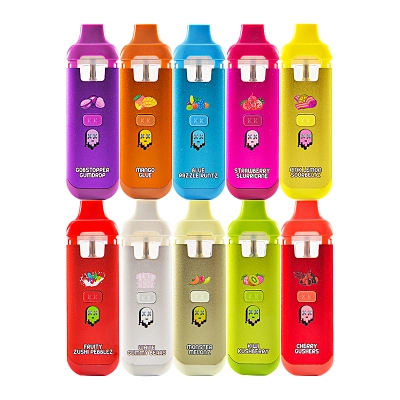
On modern disposable hardware, the screen is usually one of the first features readers notice because it turns a simple product listing into something more technical. A screen can serve several purposes: it may display battery status, power information, chamber selection, indicator symbols, or other status signals that help a reader understand what the device is doing. Even when the display is small, it changes the user experience because it gives the page a visible function-oriented talking point instead of relying only on capacity or exterior style.
For that reason, a strong editorial page should explain the screen in plain language. It should answer simple questions like: What does the display show? Is it always on, or does it only appear during use or charging? Does it indicate more than battery level? If those basics are not explained clearly, many readers will leave a page still unsure of what the screen actually adds. A short link to a device FAQ can help readers find those answers without forcing them to search through multiple product listings.
What “Setup” Should Mean in an Informational Article
In a helpful editorial context, “setup” should not mean a promotional walkthrough. It should mean orientation: understanding the layout, knowing where the screen is placed, recognizing what the visible indicators represent, and identifying whether the product page explains the device in a complete and readable way. Readers often see the word “setup” and expect basic clarity, not hype. They want to know whether the screen has a purpose, whether the product family includes more than one chamber or output mode, and whether the page explains those differences clearly.
A good article should also make an important distinction between setup terminology and operating instructions. Setup terminology is about understanding the device structure and reading the page accurately. It helps a reader interpret the listing, compare models, and decide whether further support information is needed. If a site serves adult audiences in regulated categories, linking to an age-verification policy is a better editorial choice than overloading the page with commercial wording.
Understanding Function Without Overstatement
“Function” is one of the most overused words in product copy, so it needs careful handling. On a neutral page, function should refer to what the hardware is designed to communicate or do at a broad level: display information, reflect status, organize internal components, or support a particular form factor. Function does not need exaggerated language. In fact, readers usually trust a page more when the wording is precise and modest.
For the Big Chief Duo V2 Disposable topic, a useful function section would explain what the display contributes to readability, what the device name suggests about versioning, and whether the page identifies the hardware format in a way that is easy to compare with other listings. If a site has shipping limitations, state restrictions, or category-specific rules, those should sit close to the editorial content in a clearly visible shipping and compliance information page rather than being hidden in small print.
Questions Readers Commonly Ask
What does the screen usually show?
Most readers expect the screen to do more than look modern. They want to know whether it displays battery level, charging status, chamber information, or a simple activity indicator. If the article does not say this directly, the phrase “with screen” adds very little value. A useful informational post should explain the likely purpose of the display in ordinary language and avoid assuming that all readers already understand the format.
Does the screen make the product easier to understand?
It can, but only when the page explains the interface well. A display is only useful if the article tells the reader what the icons, numbers, or signals are supposed to mean. Otherwise, the screen becomes a style detail rather than a practical feature. This is one reason neutral editorial pages tend to outperform vague promotional copy for real users: they answer the exact question behind the visual feature.
What should a first-time reader verify?
A first-time reader should verify whether the model name is consistent across the page, whether the images match the written description, whether support policies are visible, and whether the page explains the device in a way that is easy to follow. If the site has post-purchase policies that matter, they should be linked naturally through a returns policy or support resource rather than left to guesswork.
Why does version language like “V2” matter?
Version labels usually suggest a revision rather than a completely unrelated device. Readers want to know what changed: the display, body design, indicators, internal layout, or other visible details. A better article does not treat “V2” as a sales phrase; it treats it as a prompt for explanation.
How to Read a Product Page More Critically
One of the best ways to improve an article about any device is to write for the reader who is trying to compare pages carefully. That reader is asking practical questions. Is the display explained in one place, or scattered across several lines of copy? Are the visuals consistent with the listed features? Is the naming uniform, or does the model appear under slightly different variations that create uncertainty? Are policy pages easy to reach from the article?
These questions matter because many product pages fail not from a lack of keywords, but from a lack of clarity. Readers do not need more adjectives. They need consistent naming, visible policies, readable formatting, and a direct path to help when the page does not answer everything. A simple internal link to contact support often does more for trust than another paragraph of inflated claims.
What Makes the Topic Useful for a Blog Post
The Big Chief Duo V2 Disposable subject works best as an informational blog topic when the article is built around recurring user questions. “What does the screen do?” “What does setup mean here?” “How should I interpret the device name?” “What policies should I check before relying on the listing?” These are durable editorial questions. They remain useful longer than short-lived phrases focused only on rankings.
This also helps site owners maintain the page over time. If the article is structured around explanations rather than aggressive claims, it can be updated more easily when visuals change, a product family is revised, or policy pages need to be refreshed. The visible title, H1, and opening paragraph should all stay aligned so that the page feels coherent both to readers and to search engines.
Editorial Tone Matters in Regulated Categories
In regulated or age-restricted product categories, editorial tone matters more than many site owners realize. A calm, factual tone signals that the page is meant to inform rather than pressure. It also reduces the risk of making unsupported claims that age badly or create confusion later. Readers are more likely to stay on a page that explains terminology, layout, indicators, and support paths than one that repeats broad promotional phrases without evidence.
That tone is especially important when discussing visible features such as a screen. A screen can be described clearly without making claims that go beyond what the page can support. The same is true of setup and function. Clear definitions are stronger than inflated wording because they help the reader make sense of the product family on their own terms.
A Better Structure for This Kind of Article
For editors, the strongest structure is simple. Start with what the model name refers to. Move next to the purpose of the screen. Then explain setup as orientation rather than instruction. After that, cover function in neutral terms, add a short FAQ section, and finish with support and policy references. This pattern keeps the article readable and makes internal linking natural rather than forced.
It also reduces the temptation to repeat the same commercial anchor text again and again. Repetition may look like optimization, but it often weakens readability. Better internal links are descriptive, varied, and clearly useful to someone who is already on the page. That is why policy, FAQ, and support destinations tend to fit informational content better than repeated exact-match category anchors.





0 Comments