
B2B Wholesale Spec Sheet (2026): New Muha Meds Empty Hardware Specs & QC Checklist
For wholesale buyers, the best product content is not the loudest copy on the page. It is the copy that makes sourcing easier, reduces misunderstanding, and helps a team approve hardware faster. That is exactly why a spec-sheet style article works well for the latest Muha meds collections. Instead of using vague promotional language, a B2B post should explain what the hardware format is, which build features matter, what QC points buyers should inspect before bulk payment, and how the item fits into a repeatable purchasing workflow. For distributors, OEM buyers, and catalog managers, that kind of structured article is often more useful than a standard sales pitch.
In 2026, buyers are comparing empty hardware with a sharper checklist than before. They are no longer looking only at outer appearance. They want a complete view of shell finish, tank consistency, mouthpiece fit, charging interface, screen or indicator behavior, draw activation response, packaging readiness, and lot-to-lot consistency. When a page is written like a practical spec sheet, it becomes easier for a procurement team to decide whether the model belongs in a premium line, a standard wholesale line, or a customized OEM program. For that reason, this article focuses on empty hardware logic rather than lifestyle-style copy.
Why “empty hardware” positioning matters in wholesale
For B2B pages, clarity is a conversion tool. If a unit is sold as empty hardware, that point should be obvious in the title, opening paragraph, and product details. Empty-device language helps buyers understand that they are evaluating the body, component fit, and production quality of the hardware itself. It also prevents confusion about whether the listing includes any filled material. For catalog teams, that distinction matters because hardware sourcing, filling compatibility, packaging compliance, and local resale requirements often sit with different departments.
That is also why a category-led linking structure is useful. A buyer who starts at a master brand page may want to compare multiple device families before placing a larger order. Sending that user from a general brand hub into a more focused muha meds disposable collection helps narrow the decision from brand interest to format-specific interest. In practice, that means better buyer flow, lower friction, and stronger internal linking for search visibility at the same time.
Core empty hardware specs buyers should check first
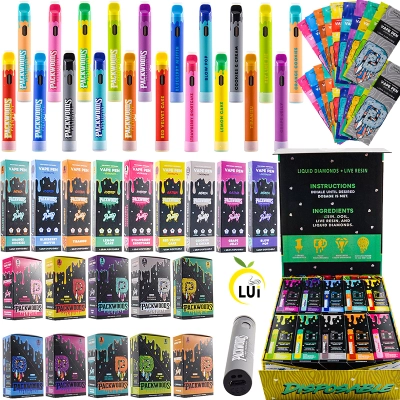
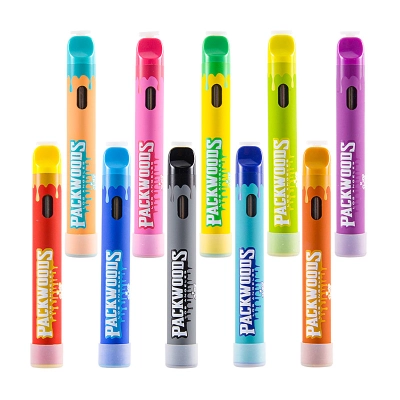
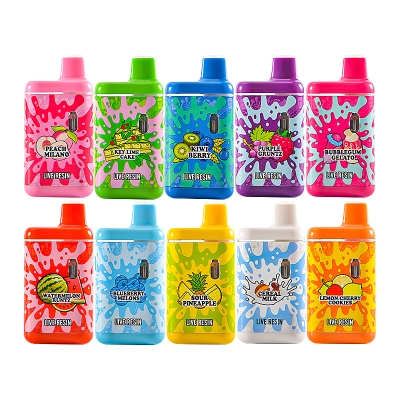
The first layer of a B2B spec sheet should cover the essentials that affect sellability and production reliability. Start with device format: standard disposable, dual chamber, multi-tank, or screen-based configuration. Then move into visible build features such as overall shape, finish consistency, mouthpiece seal, and whether the shell is aimed at a classic look or a more premium display-led presentation. After that, cover the operating fundamentals: battery platform, charging type, activation style, and indicator or display behavior where applicable.
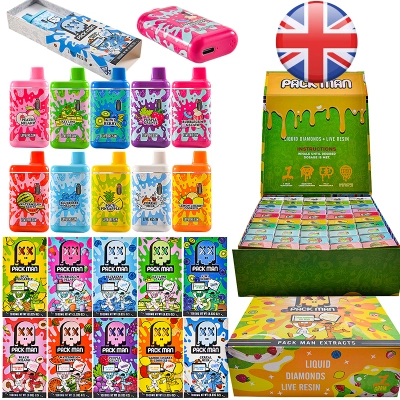
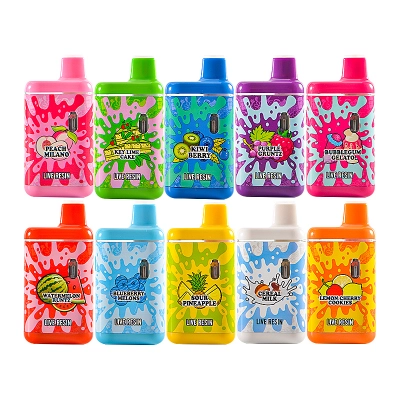
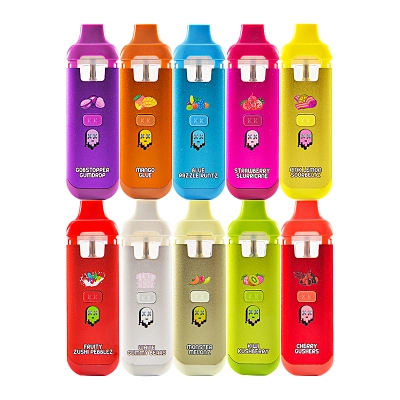
For many wholesale buyers, screen-based devices are now a separate sourcing class rather than a small cosmetic upgrade. That is why it is useful to connect this article to a broader LED screen vape collection. A display-equipped device can change how the product looks on shelf, how it is segmented in a catalog, and how buyers position a premium-looking line against simpler entry-level hardware. In a spec sheet, though, the screen should be described as a hardware feature, not as a dramatic performance claim. Buyers want usable detail, not exaggerated language.
QC checklist before sample approval or bulk production
A professional QC checklist should be simple enough to use during intake, but detailed enough to catch repeat issues before they become a warehouse problem. Start with appearance inspection. Confirm that shell color is consistent across the lot, branding placement is centered, no visible scratches or injection marks appear on key customer-facing surfaces, and any windows or display covers are clean and aligned. Then move to fitment checks. The mouthpiece should lock properly, the chamber or reservoir area should feel stable, and no parts should wobble under light handling.
Next comes functional QC. For draw-activated devices, activation should feel consistent from unit to unit. For rechargeable devices, ports should connect cleanly and charge response should be stable. For screen models, inspect whether the display wakes correctly, whether symbols or digits are readable, and whether any flicker, dead pixels, or weak segments appear during testing. If the line includes dual chamber or multi-chamber structures, check balance in assembly quality from one side to the other instead of assuming that both chambers perform the same by default.
Leak resistance and sealing quality should also be part of the incoming checklist, even for empty hardware. Buyers should verify seal integrity, inspect thread or snap-fit consistency, and confirm that the hardware arrives in transport condition suitable for further handling, filling, packing, or private-label preparation. Any unit that fails basic seal alignment or shell fit should be isolated early, because small assembly problems tend to become large complaint problems after branding, packing, and distribution.
Packaging and OEM readiness
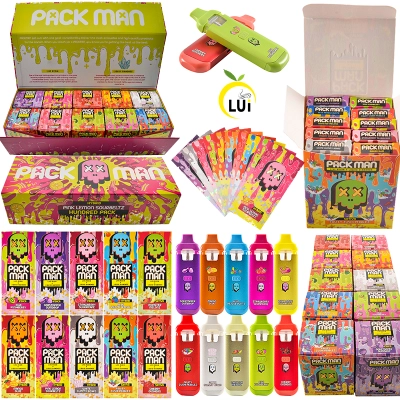
Many wholesale deals move forward or fail based on packaging discipline rather than the hardware body alone. A strong spec-sheet article should therefore mention OEM readiness clearly. Buyers typically need to confirm artwork file format, logo size, packaging dimensions, carton structure, sampling timelines, and production lead expectations before they approve a larger run. When the article acknowledges this workflow, it speaks the language of real buyers. It also helps separate serious procurement conversations from casual browsing.
Another advantage of a spec-sheet format is that it is easy to update. If a new chamber design, revised shell finish, or different battery platform enters the line later, the page can be refreshed without rewriting the whole article. That matters for fast-moving wholesale catalogs where product families evolve but the buying checklist remains mostly the same. A reusable structure also helps keep the site more consistent across blog posts, category pages, and collection hubs.
How to position this article for better B2B conversion
The right tone for this page is practical, calm, and procurement-friendly. Avoid trying to sound flashy. Instead, focus on what a buyer can verify, compare, approve, and scale. Use terms like empty hardware, device format, screen configuration, shell quality, QC checklist, OEM workflow, and wholesale sampling. These are stronger B2B signals than broad hype. The page should feel like a sourcing assistant, not a slogan.
In short, the best 2026 blog for new Muha Meds empty hardware is one that reads like a real wholesale document: clear headline, hardware-only framing, structured specs, visible QC logic, and natural internal links that guide readers from brand page to device category to related screen-based collections. That kind of article supports search intent, makes internal navigation stronger, and gives wholesale buyers the information they actually need before moving to inquiry, sampling, or bulk ordering.

0 Comments